Every day, our cells work tirelessly to maintain balance and health. This balance involves a complex network responsible for keeping approximately 10,000-13,000 different protein species functional. These proteins are crucial for numerous cellular functions, from energy production to cellular repair.
As we age, the process of protein synthesis, folding, trafficking, and degradation can become less efficient. Misfolded proteins can accumulate, leading to various health issues. Understanding this phenomenon is vital for recognizing the role of protein quality control systems in our bodies.
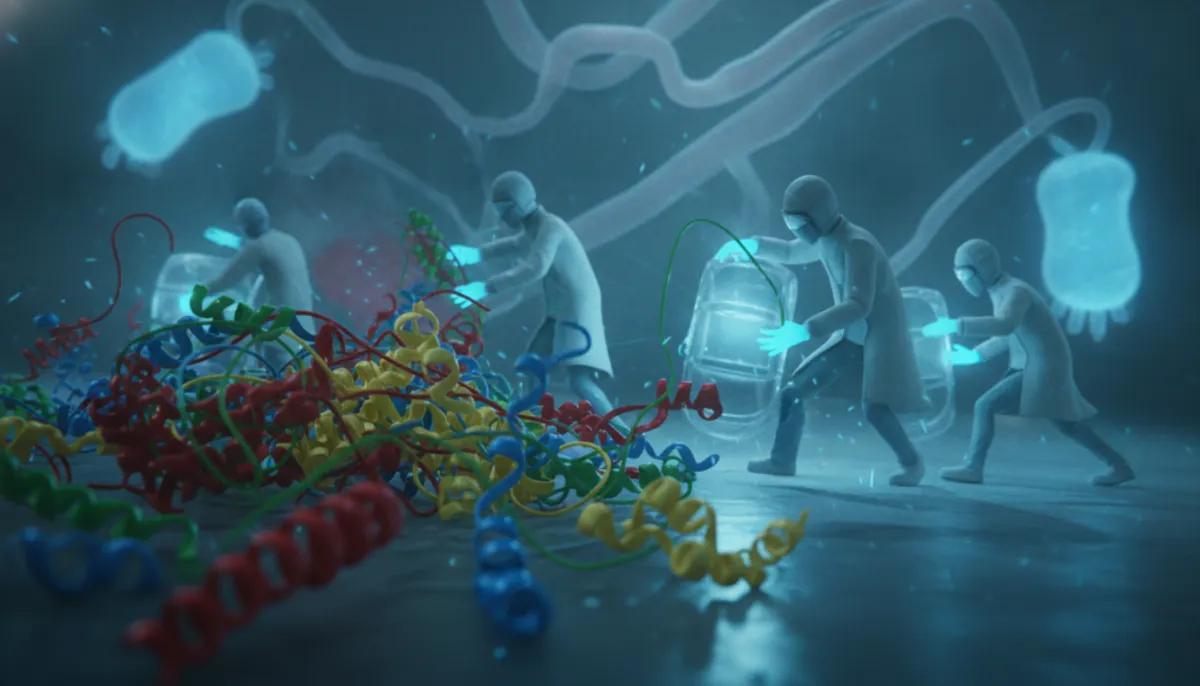
Molecular chaperones, the proteasome, and autophagy are key players in this process. They work together to ensure that misfolded proteins are either refolded or eliminated. This interconnected system helps maintain protein homeostasis, which is essential for overall health.
At Longevity Supplement, we believe in maximizing life potential. Inspired by Blueprint Bryan Johnson’s innovative health strategies, we offer premium supplements and insights to support your journey toward a longer, healthier life.
Key Takeaways
- Proteostasis is vital for maintaining protein function in cells.
- Misfolded proteins can lead to health issues as we age.
- Protein quality control systems include molecular chaperones and autophagy.
- Understanding these processes can help in managing age-related diseases.
- Longevity Supplement offers resources to support health and wellness.
Introduction to Proteostasis and Misfolded Proteins
Our cellular machinery works around the clock to ensure proper function and stability. The human proteostasis network consists of approximately 2,000 components. This intricate system continuously balances protein production, maturation, transport, repair, and removal.
However, various factors can disrupt this balance. Genetic mutations, environmental conditions, and chemical damage can increase the likelihood of protein misfolding. As we age, our capacity for maintaining proteostasis diminishes, leading to an increase in protein aggregation.
Aggregation can be particularly harmful. Abnormal proteins can interfere with organelles, signaling pathways, and neighboring proteins. It is essential to distinguish between soluble misfolded proteins and larger aggregates, as they require different quality-control responses.
This section establishes that the failure of proteostasis is a network-wide issue, rather than a single cellular defect. Understanding this concept is crucial for recognizing the implications of protein misfolding on health.
| Factor | Impact on Proteostasis | Examples |
|---|---|---|
| Genetic Mutations | Increase misfolding risk | Inherited disorders |
| Environmental Conditions | Stress on proteins | Heat, toxins |
| Chemical Damage | Alters protein structure | Oxidative stress |
| Aging | Reduces proteostasis capacity | Neurodegenerative diseases |
Understanding what is proteostasis
Within our cells, a complex network works diligently to manage the lifecycle of proteins. This process, known as proteostasis, encompasses everything from protein synthesis to degradation. Rudolf Schoenheimer’s groundbreaking work in the 1940s established the concept of dynamic protein turnover, emphasizing that proteins are constantly renewed cellular materials.
Proteostasis involves proactive maintenance strategies, such as translation and chaperone-assisted folding. It also includes reactive mechanisms for clearing misfolded proteins. This balance is essential for cellular health.
Different cellular compartments, like the cytosol, endoplasmic reticulum, mitochondria, and lysosome, exhibit unique proteostasis characteristics. Additionally, the concept of proteostasis resilience highlights how cells and tissues maintain protein integrity under stress.
| Proteostasis Component | Function | Location |
|---|---|---|
| Synthesis | Production of proteins | Cytosol |
| Folding | Correctly shapes proteins | Endoplasmic Reticulum |
| Degradation | Removes damaged proteins | Lysosome |
| Aggregation Management | Handles misfolded proteins | Mitochondria |
Mechanisms Behind Protein Folding and Misfolding
In every cell, the ongoing challenge of protein folding and stability unfolds. Proteins must achieve specific three-dimensional structures to function correctly. This process begins with amino acid sequences that encode native structures. As proteins fold, they navigate complex energy landscapes.
During this journey, some proteins may become kinetically trapped in nonproductive interactions. These intermediates can eventually lead to thermodynamically stable aggregates. Understanding this is crucial, especially for multidomain proteins and those with intrinsically disordered regions, which often require assistance to become functional.
Several factors can accelerate protein misfolding. Genetic mutations, oxidative stress, temperature fluctuations, and altered metabolites shift the balance toward misfolding. Preventing abnormal intermolecular contacts is essential for protecting the wider cellular proteome.
| Factor | Impact on Folding | Example |
|---|---|---|
| Genetic Mutations | Increase misfolding risk | Inherited disorders |
| Oxidative Conditions | Destabilize proteins | Cellular stress |
| Temperature Changes | Disrupt folding | Heat shock |
| Altered Metabolites | Shift folding dynamics | Metabolic disorders |
Role of Molecular Chaperones in Maintaining Protein Quality
Molecular chaperones play a crucial role in ensuring proteins maintain their functional shape. These specialized proteins assist in the folding process, preventing misfolding and aggregation. Among them, Hsp70 and Hsp40 are essential players in the quality control system.
Hsp70 operates through ATP-dependent cycles, binding to newly synthesized proteins and facilitating their proper folding. Meanwhile, Hsp40, a co-chaperone, interacts with Hsp70, enhancing its activity and ensuring that substrates are correctly processed.
Additionally, Hsp90 is vital for stabilizing steroid hormone receptors and various signaling proteins. This homodimeric chaperone ensures that critical cellular functions are maintained. Other chaperones, like Hsp60, provide protected environments for protein folding, highlighting the diversity of roles in cellular quality control.
Protein Synthesis and Its Challenges
Constantly, our cellular systems strive to uphold balance and function. Ribosomes in the cytosol synthesize proteins at a remarkable rate of approximately five to six amino acids per second. This process requires a high level of accuracy, as translation misincorporation occurs at about one error per 10,000 amino acids.
To maintain this precision, cells have developed robust quality control systems. Ribosome-associated quality control identifies stalled polypeptides and directs them toward ubiquitin-dependent clearance. This ensures that only properly folded proteins are allowed to proceed.
Additionally, mRNA surveillance plays a critical role. It detects stop-codon-deficient transcripts that cause ribosome stalling, leading to defective nascent chains. During times of endoplasmic reticulum (ER) stress, the PERK pathway phosphorylates eIF2α, effectively reducing translation initiation to manage the increased folding demand.
Degradation Pathways for Damaged Proteins
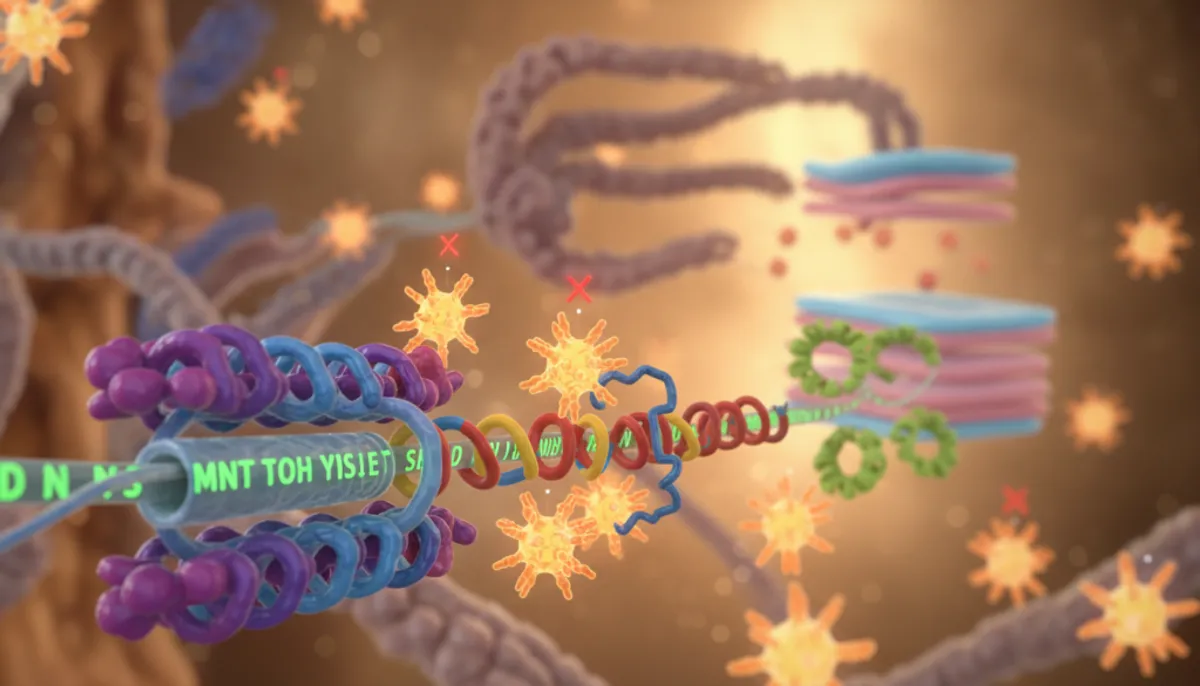
In the intricate world of cellular biology, the removal of damaged proteins is a crucial task. One of the primary systems responsible for this process is the ubiquitin-proteasome system. This system accounts for approximately 80% of protein turnover in cells, ensuring that only functional proteins remain.
The ubiquitin-proteasome system involves a series of enzymes working together. E1 activating enzymes, E2 conjugating enzymes, and E3 ligases play key roles in attaching ubiquitin to selected substrates. This tagging process is essential for identifying proteins that need to be degraded.
Once ubiquitinated, proteins are linked by lysine-48 chains, signaling their delivery to the 26S proteasome. The 26S proteasome itself consists of a 20S core particle and two 19S regulatory subunits. This structure is vital for the proteolytic activity that breaks down unwanted proteins.
Additionally, chaperones and ubiquitin ligases work together to recognize abnormal proteins before they are targeted for destruction. This cooperation is essential for maintaining cellular health and function.
Autophagy: Clearing Out Protein Aggregates
Autophagy serves as a vital mechanism for our cells to manage and eliminate unwanted protein aggregates. This process includes various forms, such as macroautophagy, microautophagy, and chaperone-mediated autophagy, each with distinct cargo-delivery methods.
Macroautophagy involves enclosing cytosolic material in double-membrane autophagosomes, which then fuse with lysosomes to digest aggregates and damaged organelles. This method is essential for maintaining cellular health, especially under stress.
Chaperone-mediated autophagy, on the other hand, requires the substrate motif KFERQ and recognition by the LAMP2A receptor. This selective delivery mechanism highlights how cells prioritize which proteins to degrade.
In comparison, the ubiquitin-proteasome system generally handles smaller soluble substrates. As autophagy and lysosomal function decline, protein accumulation can lead to diseases, including neurodegenerative disorders.
- Macroautophagy: Encloses cytosolic material for lysosomal digestion.
- Microautophagy: Directly engulfs small cytoplasmic components.
- Chaperone-mediated autophagy: Selectively delivers proteins for degradation.
The Impact of Cellular Stress on Proteostasis
Cellular stress can significantly disrupt the delicate balance of protein folding and function. Factors like heat, oxidative injury, and metabolic changes challenge the capacity of cellular folding systems. Understanding these stressors is essential for recognizing their effects on health.
Ferruccio Ritossa’s groundbreaking research with Drosophila revealed heat-induced chromosomal puffs, which led to the discovery of the heat shock response. This response activates when cells encounter stress, increasing the production of heat shock proteins (HSPs). These proteins assist in refolding damaged proteins or directing them toward degradation.
The unfolded protein response also plays a critical role. It activates when misfolded proteins accumulate in the endoplasmic reticulum (ER). This mechanism reduces translation, boosts chaperone production, and clears misfolded proteins from the ER.
While short-term stress responses can be protective, unresolved stress may lead to dysfunction and cell death. Thus, understanding how cells cope with stress is vital for maintaining proteostasis and overall health.
Proteostasis in Aging and Neurodegenerative Diseases
Aging profoundly impacts our cellular systems, leading to significant challenges in protein management. As we age, the capacity of chaperones, proteasomes, and autophagy diminishes. This decline allows abnormal proteins to persist, contributing to various neurodegenerative diseases.
For instance, Alzheimer’s disease is characterized by the accumulation of amyloid-beta plaques and tau neurofibrillary tangles. These aggregates disrupt neuronal function and communication. Similarly, Parkinson’s disease is linked to the buildup of α-synuclein, while Huntington’s disease involves huntingtin protein accumulation. In amyotrophic lateral sclerosis (ALS), TDP-43 aggregation plays a critical role.
The connection between aggregate accumulation and health issues is evident. Oxidative stress, mitochondrial dysfunction, and impaired transport can lead to progressive neuronal injury. Interestingly, research shows that enhancing translation accuracy or increasing HSP70 expression may improve longevity in aging models.
- Chaperone capacity decreases with age.
- Proteasome activity declines, allowing misfolded proteins to persist.
- Autophagy efficiency is reduced, impacting cellular health.
- Aggregate accumulation is linked to various neurodegenerative diseases.
- Research suggests potential interventions for improved longevity.
Linking Proteostasis to Chronic Diseases
The connection between protein management and chronic diseases is becoming increasingly clear. Cardiomyocytes, the heart’s muscle cells, are particularly vulnerable. They face constant mechanical, metabolic, and oxidative stress, making their health crucial for overall cardiovascular function.
Atrial fibrillation, a common heart condition, links closely to protein quality issues. Chaperone depletion, calpain-mediated degradation, and ER stress-induced autophagy all contribute to this condition. These processes highlight how essential protein stability is for heart health.
In the realm of cancer, specific heat shock proteins (HSPs) play significant roles. For instance, HSP90 overexpression is common in breast cancer, while HSP70 and HSP60 are elevated in gastric cancer. These proteins can aid tumor survival and contribute to treatment resistance.
Metabolic disorders, such as type 2 diabetes, also show a connection to protein quality. Amyloid structures found in the pancreatic islets of Langerhans can disrupt insulin production and function.
Overall, the disruption of proteostasis emerges as a shared mechanism linking cardiovascular, cancer, metabolic, autoimmune, and neurological disorders. Understanding these connections can pave the way for innovative treatments and improved health outcomes.
Blueprint Bryan Johnson’s Innovative Approach to Longevity
In the quest for longevity, innovative approaches can reshape our understanding of health. Inspired by Blueprint Bryan Johnson, this method emphasizes a structured, data-informed strategy for wellness. It aims to maximize life potential and support healthier aging.
Johnson’s approach connects longevity planning with measurable behaviors. These behaviors can enhance sleep, metabolic health, exercise capacity, and cellular resilience. By focusing on these aspects, individuals can better manage the challenges of aging.
Central to this strategy is the concept of proteostasis resilience. This term describes how cells maintain protein integrity under sustained stress. Understanding this resilience helps explain why lifestyle strategies should complement medical evaluations and evidence-based disease treatments.
As we transition from biological mechanisms to practical resources, the Longevity Supplement platform offers valuable tools. These resources can assist in enhancing proteostasis and overall health.
How Longevity Supplement Enhances Proteostasis Strategies
Unlock the potential of your health with the Longevity Supplement platform’s comprehensive strategies. This platform connects you with premium supplements and cutting-edge health insights, inspired by Blueprint Bryan Johnson’s innovative approach to wellness.
Longevity Supplement organizes supplement information alongside broader strategies, including nutrition, exercise, sleep, and stress management. Before choosing supplements, readers are encouraged to review product ingredients, dosing information, contraindications, and third-party testing.
It’s important to note that while these supplements can support your health journey, they cannot directly replace ribosomes, chaperones, proteasomes, lysosomes, or physician-directed treatments. The connection with Blueprint Bryan Johnson’s wellness model serves as inspiration, not evidence that every product guarantees longevity effects.
Visit longevity-supplement.com, sign up, and embark on your journey toward a longer, healthier life!
Nutritional and Lifestyle Factors Affecting Protein Homeostasis
Nutritional choices play a vital role in maintaining cellular health and function. Adequate nutrition provides essential amino acids while preventing chronic metabolic overload that can stress cells.
Caloric restriction, when done without malnutrition, has shown promise in increasing autophagy and enhancing the clearance of damaged proteins. This experimental strategy highlights the benefits of a balanced approach to eating.
Intermittent fasting also offers a timing-based method that activates pathways similar to caloric restriction. This practice can help optimize protein management within cells.
Additionally, ketogenic diets are linked to the production of β-hydroxybutyrate, which supports mitochondrial function and reduces oxidative protein damage.
To further promote healthy aging, incorporate resistance training, aerobic activity, proper hydration, and individualized medical guidance into your lifestyle.
Emerging Therapeutic Interventions in Proteostasis
Recent advancements in therapeutic interventions are shedding light on the management of misfolded proteins. These innovative strategies aim to enhance protein homeostasis and mitigate the effects of protein aggregation.
One notable example is Tafamidis, which stabilizes transthyretin and is used for treating transthyretin amyloidosis. This pharmacological chaperone reduces the risk of harmful conformational transitions, ultimately preventing amyloid formation.
Additionally, compounds like Oleuropein and 18α-glycyrrhetinic acid have shown promise in increasing proteasome activity. These substances can enhance the degradation of misfolded proteins, contributing to cellular health.
Another approach involves 4-Phenylbutyrate, which reduces endoplasmic reticulum (ER) stress. This modulation of stress signaling is crucial for maintaining cellular function and promoting autophagy.
Moreover, findings from gene therapy studies in mice indicate that LAMP2A overexpression can improve chaperone-mediated autophagy. This highlights the potential for translational therapies that enhance protein clearance.
- Tafamidis stabilizes transthyretin, preventing amyloid formation.
- Oleuropein and 18α-glycyrrhetinic acid boost proteasome activity.
- 4-Phenylbutyrate helps reduce ER stress in cells.
- LAMP2A overexpression enhances chaperone-mediated autophagy in mice.
Future Directions in Research for Protein Homeostasis
Innovative research is paving the way for new insights into protein management. One exciting area involves using CRISPR screens to identify genetic regulators. These regulators can help explain why certain tissues tolerate or fail under proteotoxic stress.
Another promising approach is spatial biology. This method, along with single-cell techniques, will map quality-control differences among various cell types, such as neurons, cardiomyocytes, liver cells, and tumor cells.
The groundbreaking work of Yoshinori Ohsumi, who identified autophagy-related genes in yeast during the 1990s, illustrates how foundational research drives therapeutic innovation. His contributions earned him the 2016 Nobel Prize for discoveries concerning autophagy mechanisms.
Additionally, AI-guided drug discovery may help identify compounds that selectively tune chaperones, autophagy, proteasomes, or ER stress pathways. Future clinical studies will need reliable biomarkers, long-term safety data, appropriate dosing, and personalized combinations across multiple aging mechanisms.
| Research Area | Focus | Potential Impact |
|---|---|---|
| CRISPR Screens | Identify genetic regulators | Understanding tissue tolerance |
| Spatial Biology | Map quality-control differences | Insights into cell function |
| AI Drug Discovery | Identify therapeutic compounds | Targeted protein management |
| Ohsumi’s Research | Autophagy mechanisms | Therapeutic innovation |

Conclusion
Our cells continuously strive to maintain optimal health and functionality. This coordinated process ensures that newly synthesized proteins are properly folded, functional, and eventually removed when damaged.
Molecular chaperones, the ubiquitin-proteasome system, autophagy, ER quality control, and stress responses work together, creating a robust network. However, aging can weaken these systems, allowing harmful aggregates linked to various diseases to accumulate.
Research involving innovative interventions like tafamidis and 4-phenylbutyrate shows promise in enhancing these processes. Nutrition, physical activity, sleep, and stress management may support resilience, but no single practice guarantees disease prevention.
Visit longevity-supplement.com to explore premium supplements and health insights inspired by Blueprint Bryan Johnson’s longevity approach. Begin your journey toward a longer, healthier life through informed wellness strategies!
FAQ
What role do molecular chaperones play in protein folding?
Molecular chaperones assist in the proper folding of proteins, preventing misfolding and aggregation. They help maintain protein quality by ensuring that proteins reach their functional forms.
How does cellular stress affect proteostasis?
Cellular stress can disrupt the balance of protein synthesis and degradation, leading to the accumulation of misfolded proteins. This can trigger protective responses, such as the heat shock response, to restore proteostasis.
What are the consequences of protein aggregation?
Protein aggregation can lead to cellular dysfunction and is associated with neurodegenerative diseases like Parkinson’s. Misfolded proteins can accumulate, disrupting normal cellular functions and contributing to disease progression.
How does autophagy contribute to protein homeostasis?
Autophagy is a process that removes damaged proteins and organelles, helping to maintain cellular health. By clearing out aggregates, autophagy plays a crucial role in sustaining protein homeostasis.
What are the main degradation pathways for damaged proteins?
The ubiquitin-proteasome system is a key pathway for degrading misfolded proteins. It tags damaged proteins for destruction, ensuring that only functional proteins remain in the cell.
How do aging and neurodegenerative diseases relate to proteostasis?
Aging can impair proteostasis, increasing the risk of neurodegenerative diseases. As cellular mechanisms for managing proteins decline, the likelihood of misfolded proteins and aggregation rises, leading to various health issues.
What lifestyle factors can affect protein quality?
Nutritional choices, exercise, and stress management can significantly impact protein homeostasis. A balanced diet rich in antioxidants and regular physical activity support the body’s ability to maintain protein quality.
Are there therapeutic interventions for improving proteostasis?
Yes, emerging therapies include pharmacological chaperones and proteasome activators, which aim to enhance the cellular mechanisms responsible for maintaining protein homeostasis and preventing aggregation.