Aging is a complex process that affects our bodies in many ways. It is often defined by a declining ability to recover from stress. This decline increases the risk of various health issues. Understanding how our cells respond to stress is essential for maintaining health as we age.
Spontaneous injuries to our genetic material occur frequently, with estimates suggesting around 10,000 to 100,000 events per cell each day. This highlights the need for constant maintenance of our genetic code. Unlike replaceable proteins, our genome holds the vital instructions necessary for rebuilding every other cellular component.
When these injuries go unrepaired, they can disrupt critical processes such as transcription and replication. This can lead to metabolic issues and even affect how our cells function. In this guide, we will explore the mechanisms behind these processes and offer practical health strategies to enhance your well-being.
For those looking to maximize their life potential, longevity-supplement.com serves as a valuable resource, inspired by innovative approaches to extending healthspan through informed choices.
Key Takeaways
- Aging involves a reduced ability to recover from stress.
- Cells experience thousands of spontaneous genetic injuries daily.
- The genome is crucial for cellular health and function.
- Unrepaired genetic lesions can disrupt essential cellular processes.
- Health strategies can help manage the effects of aging.
Understanding DNA Damage: The Foundations of Aging
The intricate nature of cellular health is profoundly influenced by genetic stability. DNA is chemically unstable under normal physiological conditions, which include an aqueous environment, oxygen presence, and a pH of about 7.4. This instability can lead to spontaneous chemical damage.
Common lesions such as abasic sites, oxidized bases, and single-strand breaks frequently occur. Hydrolytic cleavage of the glycosidic bond is particularly prevalent, highlighting the vulnerability of our genetic material. Missing bases can severely compromise the accuracy of gene expression and replication.
Persistent stress on our cells can trigger protective mechanisms like apoptosis or senescence. These responses aim to prevent the replication of damaged genetic material, reducing the risk of mutations and cancer. However, while these processes protect us, they may also limit tissue renewal capacity over time.
The Role of DNA Repair Mechanisms in Longevity
Repairing genetic errors is essential for cellular health and longevity. Our cells face constant threats to their genetic material, necessitating robust repair mechanisms. The mammalian genome encodes over 150 proteins that are vital for maintaining genetic integrity.
Several key repair pathways play significant roles:
- Base Excision Repair (BER): Fixes small base modifications.
- Nucleotide Excision Repair (NER): Addresses bulky, helix-distorting adducts.
- Mismatch Repair: Corrects errors during DNA replication.
- Homologous Recombination: Manages replication stress and complex double-strand breaks.
- Non-Homologous End Joining (NHEJ): Joins broken DNA ends.
The MRN complex is crucial for activating damage response signals like ATM and ATR. These pathways work together to ensure accurate repair, protecting both genome stability and longevity. However, a strong damage response can lead to an increase in senescent cells, presenting a tradeoff in the balance between preventing cancer and maintaining cellular function.
Exploring Genome Instability and Its Consequences
The consequences of genome instability can have far-reaching effects on cellular homeostasis. This instability encompasses various forms, including base substitutions, deletions, insertions, and chromosomal aberrations. Such changes can disrupt the normal functioning of cells and lead to serious health issues.
Telomeres, which protect chromosome ends, contain thousands of TTAGGG repeats and are safeguarded by the shelterin complex. When these telomeres become critically shortened, they can mimic persistent double-strand breaks. This triggers chronic damage signaling, which can halt the cell cycle.
Moreover, a single DNA double-strand break can cause a complete cell-cycle blockade. This situation is detrimental as it prevents the replication of healthy cells, ultimately contributing to tissue dysfunction and increasing the risk of cancer.
As mutations accumulate, they can lead to premature aging phenotypes and stem-cell exhaustion. This highlights the importance of effective repair mechanisms in maintaining genomic integrity and cellular health.
| Type of Instability | Description | Consequences |
|---|---|---|
| Base Substitutions | Alterations in the DNA sequence | Potential mutations affecting gene function |
| Deletions | Loss of DNA segments | Disruption of gene expression |
| Double-Strand Breaks | Severe DNA damage | Cell-cycle arrest and cancer risk |
Mechanisms Behind Endogenous DNA Damage
Metabolic processes within our cells generate various compounds that can harm our genetic material. These include reactive oxygen species, aldehydes, and advanced glycation endproducts. Such substances can lead to significant alterations in DNA, impacting its stability and function.
For instance, spontaneous hydrolysis alone can create around 10,000 abasic sites in an active mammalian cell each day. This staggering number illustrates the scale of endogenous exposure to potential threats. Additionally, formaldehyde, an endogenous metabolic genotoxin, has been shown to impair transcription, especially during the aging process.
Moreover, metabolic byproducts like malondialdehyde can form harmful DNA adducts. These modifications can hinder the accurate copying and repair of our genetic material. The interplay of oxidative stress, nitrosylation, and alkylation compounds the challenge of maintaining DNA integrity.
Connecting antioxidant enzymes and mitochondrial health is crucial for enhancing our repair capacity. While no single supplement guarantees protection, a holistic approach to metabolic health can support our cells in managing these challenges.
| Endogenous Threats | Description | Impact on DNA |
|---|---|---|
| Reactive Oxygen Species | Highly reactive molecules generated during metabolism | Can cause oxidative damage to DNA |
| Aldehydes | Byproducts of metabolism, including formaldehyde | Can impair transcription and repair processes |
| Advanced Glycation Endproducts | Formed from sugar and protein interactions | Can modify DNA structure and function |
Impact of Environmental Stressors on DNA Integrity
Environmental factors play a significant role in the health of our genetic material. These stressors, including radiation, toxins, and ultraviolet light, can lead to various forms of DNA injury. Understanding their effects is crucial for protecting our cells.
For instance, UV light produces photodimers, particularly in skin cells. This damage can block replication and transcription, contributing to premature aging and increasing the risk of skin cancer. Sunlight alone can generate approximately 100 photodimers daily in these cells.
Additionally, background radiation can cause damaged bases, while ionizing radiation may produce single- and double-strand breaks. Alkylating agents used in cancer therapies, such as oxaliplatin, can create DNA adducts and crosslinks, further complicating repair processes.
To mitigate these risks, practical prevention strategies are essential. These include:
- Using adequate UV protection.
- Avoiding tobacco and unnecessary toxins.
- Discussing medical exposure risks with qualified clinicians.
| Environmental Agent | Type of Damage | Impact on DNA |
|---|---|---|
| Ultraviolet Light | Photodimers | Blocks replication and transcription |
| Background Radiation | Damaged bases | Increases mutation risk |
| Ionizing Radiation | Single/Double-Strand Breaks | Cell cycle arrest |
| Oxaliplatin | DNA Adducts | Compromises repair mechanisms |
dna damage and aging: A Closer Look
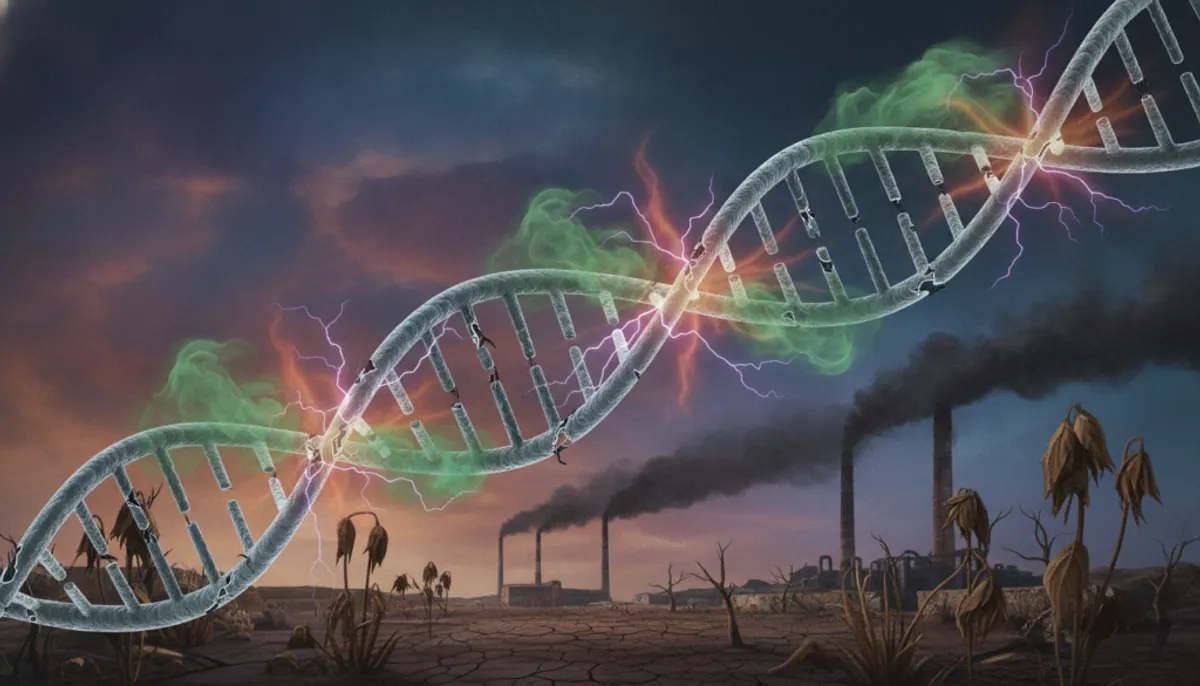
Genetic alterations can profoundly influence the way our bodies age and respond to stress. Our nuclear DNA, containing about 3 billion base pairs, is susceptible to various injuries. These injuries can stall RNA and DNA polymerases, disrupting transcription and replication. When this occurs, cells may either die or enter a state of senescence.
Research by Cagan and colleagues in 2022 highlights that somatic mutation rates are linked to species-specific lifespans. As DNA injuries accumulate, some lesions escape detection or are inaccurately repaired. This accumulation can be a unifying mechanism connecting genomic, cellular, and organismal aging.
It is essential to distinguish between direct damage and downstream effects, such as mutations, chromosomal instability, and inflammation. Understanding these connections can help us appreciate how genetic integrity impacts overall health and longevity.
| Type of Genetic Issue | Description | Potential Impact |
|---|---|---|
| Direct Damage | Immediate alterations to DNA structure | Can halt replication and transcription |
| Mutations | Changes in DNA sequence over time | May lead to cancer or other diseases |
| Chromosomal Instability | Loss of normal chromosome structure | Increases risk of cell dysfunction |
Linking DNA Damage to Age-Related Diseases
Understanding the relationship between genetic instability and age-related conditions is essential for promoting well-being. Persistent genetic lesions can lead to serious health issues, including cancer and neurodegenerative disorders. For instance, damaged neurons are particularly vulnerable to long-term transcriptional disruption, which can exacerbate age-related decline.
Moreover, senescent cells play a significant role in various diseases. These cells contribute to conditions like atherosclerosis, osteoporosis, and nonalcoholic fatty liver disease. They also promote inflammation through factors such as IL-6 and TNFα, which can spread harmful effects beyond the originally damaged cell.
Research by Baker and colleagues in 2011 showed that clearing p16Ink4a-positive senescent cells in mice delayed age-associated disorders. While senescence can be beneficial for tumor suppression and wound healing, it becomes detrimental when damaged cells accumulate faster than the immune system can remove them.
Blueprint Bryan Johnson’s Innovative Longevity Approach
Exploring innovative approaches to wellness can significantly enhance our health and longevity. Bryan Johnson’s philosophy emphasizes systematic health optimization, integrating multiple aspects of well-being.
Central to his approach is the role of NAD+, a crucial molecule involved in DNA repair and cellular energy metabolism. Research indicates that PARP1-dependent repair mechanisms can consume NAD+, which may affect sirtuin activity and chromatin regulation.
Here are key aspects of his data-oriented wellness philosophy:
- Combining prevention, measurement, nutrition, exercise, and medical oversight.
- Understanding the significance of NAD+ biology in repair research.
- Recognizing that laboratory mechanisms do not automatically prove supplement effectiveness.
- Integrating premium supplements within a broader health plan, including sleep and metabolic health.
- Distinguishing promising longevity science from established clinical care, especially for individuals with cancer or chronic illness.
For those interested in enhancing their health journey, longevity-supplement.com offers premium supplements and health insights inspired by Johnson’s innovative approach.
| Focus Area | Description | Benefits |
|---|---|---|
| NAD+ Regulation | Involvement in DNA repair | Enhances cellular health |
| Holistic Wellness | Combines various health strategies | Promotes overall well-being |
| Research-Based Insights | Focus on evidence-based practices | Supports informed health decisions |
The Interplay of DNA Repair and Gene Expression
The relationship between cellular repair and gene activity is a vital aspect of cellular health. When lesions occur in DNA, they can stall transcription complexes and RNA polymerases. This stalling creates transcription stress, reducing the production of essential proteins needed for cellular maintenance.
In this context, the access-repair-restore model becomes significant. Chromatin opens for repair and is subsequently rebuilt, often with lasting regulatory marks. For instance, Dnmt1 localizes to DNA repair sites, linking repair processes with DNA methylation. Additionally, H3K4me2 deposition supports transcriptional recovery after repairing transcription-blocking lesions.
Moreover, γH2AX foci accumulate in aging tissues, marking sites of persistent double-strand break-associated chromatin alteration. Inaccurate repair or persistent lesions can create transcriptional noise, leading to altered protein stoichiometry and cell dysfunction. These molecular changes highlight how gene expression is affected by repair mechanisms, particularly in the context of long genes and protein-homeostasis programs that may become disproportionately vulnerable with age.
| Mechanism | Function | Impact on Gene Expression |
|---|---|---|
| Dnmt1 Recruitment | Links repair with DNA methylation | Regulates gene expression post-repair |
| H3K4me2 Deposition | Supports transcriptional recovery | Facilitates protein production |
| γH2AX Signaling | Marks sites of DNA damage | Indicates chromatin alterations |
Insights from Progeroid Syndromes and Premature Aging
Certain genetic disorders can provide valuable insights into the mechanisms of premature aging. Conditions like Werner syndrome, Cockayne syndrome, and Hutchinson-Gilford progeria illustrate how genetic instability can affect health and lifespan.
For example, Werner syndrome results from mutations in the WRN gene. This condition leads to symptoms such as cataracts, diabetes, and increased cancer risk at a young age. Similarly, Cockayne syndrome involves defects in transcription-coupled repair, causing severe neurodegeneration and muscle atrophy.
Hutchinson-Gilford progeria syndrome is linked to mutations in the LMNA gene, which disrupts nuclear architecture and contributes to premature aging. Lastly, xeroderma pigmentosum significantly increases the risk of skin cancer due to impaired DNA repair mechanisms.
These syndromes, while not perfect models of normal aging, reveal important connections between repair defects and tissue decline. They emphasize the need for effective DNA repair to maintain cellular health and longevity.
Transcription Stress and Epigenetic Alterations in Aging
The interplay between transcription stress and cellular health reveals critical insights into the aging process. As cells age, they face repeated repair attempts that can leave lasting marks on chromatin. These alterations can shift DNA methylation patterns, impacting gene expression and increasing variability among aging cells.
Age-related changes in DNA methylation strongly correlate with chronological age, forming the basis of epigenetic clocks. This concept highlights how our cells record their history of stress and repair. Additionally, DNA-SCARS, which are chromatin alterations, reinforce cellular senescence, marking cells that have undergone significant stress.
One important aspect of aging is the Senescence-Associated Secretory Phenotype (SASP). This phenomenon involves the release of inflammatory cytokines, chemokines, and proteases from persistently stressed cells. While SASP can aid in recruiting immune cells for clearance, it may also lead to local tissue damage and chronic inflammation.
| Component | Description | Impact |
|---|---|---|
| DNA-SCARS | Chromatin alterations linked to senescence | Reinforces cellular aging |
| Epigenetic Clocks | Correlate methylation changes with age | Reflect cellular history |
| SASP | Secretion of inflammatory factors | Can promote tissue damage |
Proteostatic Stress and Mitochondrial Dysfunction Linked to DNA Damage
The balance of protein synthesis and degradation is crucial for cellular health. Mitochondria, with their small genome of less than 17 kilobases, play a significant role in this balance. These organelles are vital for energy production and maintaining cellular function.
When transcription-blocking lesions occur, they can lead to a reduction in properly produced proteins. This disruption can disturb protein-complex stoichiometry, increasing the likelihood of misfolding or aggregation. The impact of this stress is profound, as it can affect overall cellular performance.
Additionally, damaged mitochondria can alter mtDNA replication and impair mitophagy. This impairment weakens energy production, further exacerbating cellular stress. The connection between PARP1-driven NAD+ consumption and sirtuin activity highlights the intricate relationship between DNA repair, chromatin regulation, and mitochondrial maintenance.
Examples from Cockayne syndrome models and repair-deficient mice illustrate how DNA damage affects the unfolded protein response and autophagy. These insights underline the importance of robust repair mechanisms in sustaining cellular health and resilience.
Pharmacological Interventions and Longevity Supplements
The quest for longevity has led to exciting developments in the field of cellular repair. Recent research highlights various pharmacological interventions that may enhance our ability to combat cellular decline. Understanding these options is crucial for anyone interested in promoting health and longevity.
One promising area involves the use of PARP1, an enzyme that plays a key role in repairing single-strand breaks in DNA. This process utilizes NAD+, a vital molecule for cellular energy and repair. However, excessive PARylation can deplete NAD+ levels, indirectly affecting sirtuin proteins, which are essential for cellular health.
Research has shown that PARP inhibitors are being studied in the context of BRCA1/2 mutation-associated cancers. Additionally, a notable study in 2018 found that lonafarnib treatment was linked to a lower mortality rate in patients with Hutchinson-Gilford progeria syndrome.
Here are some key points to consider:
- Approved cancer therapies differ from investigational repair enhancers.
- NAD+-related compounds are not claimed to reverse human aging.
- Consult healthcare professionals before combining supplements with prescription medicines.
- Longevity-supplement.com offers premium supplements and health insights, but is not a substitute for clinical care.
| Intervention Type | Description | Example |
|---|---|---|
| PARP Inhibitors | Target DNA repair weaknesses in specific cancers | Olaparib |
| NAD+ Boosters | Enhance cellular repair and energy | Nicotinamide riboside |
| Senolytics | Clear senescent cells to improve tissue function | Dasatinib |
Dietary and Lifestyle Strategies to Support DNA Repair
Nourishing our bodies through diet and lifestyle choices can significantly impact cellular health. Research shows that certain strategies can enhance our cells’ ability to repair themselves. For instance, a 2016 Nature study found that restricted diets delayed accelerated aging in DNA-repair-deficient mice.
Here are some practical strategies to consider:
- Nutrition: Focus on a diet rich in minimally processed foods.
- Exercise: Engage in regular physical activity to support overall health.
- Restorative Sleep: Prioritize quality sleep for optimal recovery.
- Weight Management: Maintain a healthy weight to reduce stress on cells.
- UV Protection: Use sunscreen to protect against harmful rays.
- Avoid Toxins: Stay clear of tobacco and unnecessary environmental toxins.
Calorie restriction not only reduces transcription stress but also helps alleviate endoplasmic-reticulum unfolded protein response activity. While these findings in mice illustrate biological plausibility, similar effects in humans are not guaranteed.
For those looking to explore evidence-informed nutrition and lifestyle resources, visit longevity-supplement.com. This platform offers premium supplements and health insights to support your journey towards better health.
Future Directions in DNA Repair and Anti-Aging Research
New insights into cellular repair processes are opening doors to groundbreaking anti-aging solutions. As research progresses, innovative therapies are being developed to enhance our understanding of longevity. Current studies focus on DNA-repair enhancement, senolytics, and gene therapies.
Researchers are also mapping somatic mutations and exploring biological aging clocks. For instance, findings by Cagan and colleagues in 2022 show that somatic mutation rates correlate with lifespan across mammals. This knowledge could help connect genome maintenance capacity with longevity.
Additionally, Baker and colleagues highlighted in 2011 that clearing p16Ink4a-positive senescent cells can delay age-related disorders in mice. This promising strategy may improve healthspan as research evolves.
Future studies will delve into:
- Repair-enhancing drugs and their potential.
- Precision diagnostics for better interventions.
- Addressing challenges like off-target effects and cancer risks.
Ultimately, therapies must balance protective damage responses while minimizing chronic inflammation and dysfunctional senescence.
| Research Focus | Description | Potential Impact |
|---|---|---|
| DNA Repair Enhancement | Improving cellular repair mechanisms | May extend lifespan and healthspan |
| Senolytics | Clearing harmful senescent cells | Improves tissue function and reduces inflammation |
| Gene Therapies | Targeting genetic disorders | Offers potential for treating age-related diseases |
Conclusion
The process of growing older involves numerous biological changes that can impact our health. DNA is constantly challenged by various factors, leading to potential cellular stress. Repair pathways play a crucial role in maintaining genome integrity, yet persistent damage can activate processes like senescence and inflammation.
Evidence from various genetic disorders highlights the connection between genome maintenance and overall health. Practical strategies such as protecting against UV radiation, supporting metabolic health, and maintaining a balanced diet can be beneficial.
Supplements and emerging therapies may enhance these healthy habits, but it’s essential to consult healthcare professionals regarding individual medical history. For more insights and premium supplements, visit longevity-supplement.com and embark on your journey toward a longer, healthier life.
FAQ
What is DNA damage?
DNA damage refers to alterations in the genetic material that can affect its function. This can occur due to various factors, including environmental stressors and metabolic processes.
How does DNA repair work?
DNA repair involves a series of mechanisms that detect and fix damage. Key pathways include base excision repair and double-strand break repair, which help maintain genomic integrity.
What is the link between DNA damage and aging?
As cells age, their ability to repair DNA diminishes, leading to increased mutations and genomic instability. This contributes to cellular decline and age-related diseases.
What are endogenous sources of DNA damage?
Endogenous sources include metabolic byproducts and oxidative stress that arise naturally within the body, causing harm to the genetic material over time.
How do environmental factors affect DNA integrity?
Environmental stressors such as radiation, toxins, and ultraviolet light can cause significant damage to DNA, impacting cellular function and longevity.
What are progeroid syndromes?
Progeroid syndromes are genetic disorders that mimic the effects of aging, often resulting from defects in DNA repair mechanisms, leading to premature aging and related health issues.
How does transcription stress relate to aging?
Transcription stress can lead to epigenetic alterations, affecting gene expression and contributing to the aging process by disrupting normal cellular functions.
What role do lifestyle choices play in DNA repair?
Healthy lifestyle choices, including a balanced diet and regular exercise, can enhance the body’s natural DNA repair mechanisms, potentially reducing the risk of age-related diseases.
Are there pharmacological interventions for DNA repair?
Yes, emerging therapies aim to enhance DNA repair processes, offering potential avenues for extending lifespan and improving health during aging.
What is the significance of mitochondrial dysfunction in aging?
Mitochondrial dysfunction can lead to energy production issues and contribute to genomic instability, playing a crucial role in the aging process and related diseases.