
Welcome to your journey toward a healthier, more vibrant future. Many people are now actively shaping their well-being instead of just letting time pass. They are exploring new ways to support their body’s natural processes.

This shift is clear in the numbers. Americans spend billions on wellness products each year. This shows a strong desire to take control of personal health.
Modern health aids have evolved far beyond basic vitamins. Today’s options are advanced formulas designed to target specific wellness goals. They aim to support the body at a foundational level.
Our guide offers a clear, honest look at this exciting field. We will explore the real benefits and important limits of these products. Trusted platforms like longevity-supplement.com help connect you with quality choices and the latest science.
Our goal is simple: to give you practical knowledge you can use right away. Let’s begin this exploration together and learn how to make aging an active, positive journey.
Key Takeaways
- Many Americans are actively investing in products to enhance their personal wellness.
- Modern health aids are sophisticated, targeting specific aspects of well-being.
- Understanding both the benefits and realistic limits of these products is crucial.
- The focus is shifting from just living longer to living better for more years.
- This guide will provide practical advice for making informed decisions.
- Trusted online resources can simplify finding high-quality, research-backed options.
Introduction: Embracing Longevity and Health Strategies
Today’s approach to wellness focuses on enhancing life quality throughout every stage. The pursuit of a longer, healthier life has moved from science fiction into practical reality. Modern strategies now recognize that aging isn’t just about adding years but adding vitality to those years.
Nearly half of American adults incorporate wellness products into their routines. This shows a significant shift toward proactive health management. These tools help fill nutritional gaps that even careful diets might miss.
Innovative platforms like longevity-supplement.com draw inspiration from pioneers like Blueprint Bryan Johnson. They demonstrate how systematic approaches can improve biological markers of aging. While not magic solutions, these products represent powerful tools when used wisely.
| Supplement Type | Percentage of Users | Primary Benefit Focus |
|---|---|---|
| Multivitamins | 31% | General Nutritional Support |
| Vitamin D | 19% | Bone & Immune Health |
| Omega-3/Fish Oil | 13% | Heart & Brain Function |
| Probiotics | 10% | Digestive Wellness |
Effective health strategies combine smart product use with lifestyle optimization. This includes proper nutrition, exercise, sleep, and stress management. The goal is maintaining cognitive function and physical capability across your lifespan.
This guide will help you navigate the complex landscape of wellness options. We’ll separate evidence-based interventions from overhyped products. Our friendly approach makes scientific concepts accessible without losing important details.
Understanding the Dietary Food Supplement Concept
According to the 1994 Dietary Supplement Health and Education Act, these products have a specific legal classification. They are designed to complement your regular eating patterns rather than replace them.
The term covers an incredibly diverse range of options. You can find simple single-nutrient vitamins and complex multi-ingredient formulas. Each targets different wellness outcomes.
These products differ from regular meals in their concentrated nature. They also have a different regulatory status than pharmaceutical drugs. This distinction is important for understanding their proper use.
Common contents include vitamins, minerals, amino acids, and botanical extracts. Some contain probiotics, enzymes, or essential fatty acids. These can come from natural sources or be synthesized to match natural compounds.
Quality and effectiveness vary significantly across different brands. Understanding this helps you recognize that not all options work equally well. Bioavailability and evidence of efficacy should guide your choices.
The fundamental purpose is to fill specific nutritional gaps. They support, rather than replace, a balanced diet rich in whole foods. This approach ensures you get comprehensive nutrition.
Different delivery methods affect how your body absorbs nutrients. Capsules, tablets, powders, and liquids each have advantages. Your personal preferences and needs will determine the best form for you.
Pros and Cons Analysis for Enhancing Life Potential
Making an informed choice about wellness aids requires a clear-eyed look at both their potential and their pitfalls. These products can be powerful tools, but they are not one-size-fits-all solutions.
Key advantages include filling nutritional gaps for individuals with specific needs. Seniors or people with restricted diets often benefit greatly. They also offer convenient access to nutrients that are hard to get from meals alone.
For busy people, these products save time and effort. They help ensure adequate intake without preparing special foods. This convenience supports consistent health habits.
However, honest consideration of the risks is vital. Unlike pharmaceuticals, these items lack FDA pre-market approval for safety and effect. This means quality and potency can vary between brands.
There is a potential for interactions with medications. Taking excessive amounts of certain nutrients can also pose a health risk. The financial cost is another factor, as some products may not deliver promised benefits.
It’s crucial to remember these aids work best for specific groups. They are not shortcuts that excuse poor eating habits. What helps one person might be unnecessary for another.
| Aspect | Potential Benefit | Important Consideration |
|---|---|---|
| Nutritional Support | Fills gaps for specific needs | Should complement, not replace, whole foods |
| Convenience | Saves time for busy lifestyles | Requires research to find quality options |
| Targeted Use | Effective for diagnosed deficiencies | Personal assessment is essential for safety |
| Market Regulation | Wide availability of choices | Quality and potency are not guaranteed |
Personalization is the key to maximizing benefits and minimizing risks. Investing time to research and monitor their effect is a necessary step for anyone considering their use.
Examining the Health Benefits of Supplements
Vitamins are fundamental partners in your body’s daily operations. They act as essential helpers in countless processes, from creating energy to defending against illness. A shortage can lead to a cascade of health problems.
Thirteen essential vitamins support our well-being. Each has a unique and vital job.
Key Nutrients and Vitamins
These thirteen vitamins—A, C, D, E, K, and the B-complex group—work as a team. Vitamin D, for example, helps your body use calcium for strong bones. B vitamins are crucial for turning food into fuel.
Vitamin C supports your immune system and helps build collagen. Vitamin E protects your cells from damage. When intake falls below needed amounts, your health can suffer.
Correcting a deficiency has a powerful effect. It can reverse symptoms like constant fatigue, poor immunity, and slow healing. For some, like active individuals or children with limited diets, supplements can be particularly relevant.
| Vitamin Group | Primary Role in the Body | Common Benefit |
|---|---|---|
| B Vitamins (B1-B12) | Energy Metabolism | Reduces Fatigue, Supports Brain Function |
| Vitamin D | Calcium Absorption, Immune Regulation | Strengthens Bones, Supports Mood |
| Antioxidants (C & E) | Cell Protection | Boosts Immunity, Promotes Skin Health |
Overall Impact on Wellbeing
The goal is adequate intake, not excessive amounts. Once your body’s needs are met, taking more usually provides no extra benefit and can sometimes be harmful.
When you have the right levels, your entire system runs smoothly. This supports strong energy, clear thinking, and a resilient body. The most dramatic positive effect is seen when filling a specific nutritional gap.
For most healthy people with a balanced diet, multivitamins offer little advantage. The real health benefits shine for those with genuine needs.
Evaluating Blueprint Bryan Johnson’s Innovative Wellness Approach
The quest for longevity has found a powerful advocate in Blueprint Bryan Johnson, whose data-driven approach reshapes how we think about aging. His systematic protocol combines comprehensive supplementation with lifestyle optimization to slow biological aging.
Johnson’s methodology relies on measurable biomarkers rather than subjective feelings. This represents a shift toward precision health management, where decisions are based on concrete data. Each choice serves a specific biological purpose.
His protocol includes dozens of carefully selected supplements targeting inflammation, cellular repair, and cognitive performance. This innovative philosophy inspired platforms like longevity-supplement.com to democratize access to premium health insights.
While Johnson’s comprehensive approach may be more intensive than most people need, it demonstrates the potential of strategic supplementation. The key lesson isn’t to copy his exact protocol but to understand the principles of evidence-based health optimization.
This represents an evolution from reactive deficiency correction to proactive function enhancement. It shows how thoughtful supplementation can become part of a larger wellness strategy when combined with personalization and monitoring.
How Supplements Support Nutritional Intake and Disease Prevention
The foundation of lifelong wellness rests on a strategic combination of whole foods and targeted nutritional additions. Understanding this relationship helps maximize health benefits while minimizing risks.
The Role of a Balanced Diet
A varied diet rich in colorful fruits, vegetables, and lean proteins provides the essential building blocks for health. These whole foods offer complex nutrient combinations that work together synergistically.
Different colored produce provides diverse phytochemicals and antioxidants. Various protein sources and whole grains complete the nutritional picture. This natural variety often meets most people’s daily needs.
Essential Ingredients in Daily Nutrition
Specific situations may require extra nutritional support. Vegans often need B12, while people with limited sun exposure benefit from vitamin D. Older adults may need help with calcium absorption.
Strategic additions can play a role in disease prevention. Adequate calcium and vitamin D intake supports bone health. Omega-3 fatty acids contribute to cardiovascular wellness.
| Key Nutrient | Primary Food Source | Health Benefit |
|---|---|---|
| Calcium | Dairy, leafy greens | Bone strength |
| Vitamin D | Fatty fish, eggs | Immune function |
| Omega-3s | Fish, walnuts | Heart health |
| B Vitamins | Whole grains, meat | Energy production |
Individual needs vary based on age, health status, and eating patterns. The goal is filling nutritional gaps, not replacing quality food intake. Personalized assessment ensures the right approach for each person.
Assessing the Risks and Considerations of Supplement Use
While wellness products offer many benefits, understanding their potential risks is equally important for making safe choices. Unlike prescription medications, these items don’t undergo FDA pre-market approval for safety and effectiveness.
Taking excessive amounts can harm your body. Magnesium in high doses acts as a laxative, while too much iron can cause serious issues. Even fish oil might raise LDL cholesterol in some people.
| Risk Category | Example | Consideration |
|---|---|---|
| Drug Interactions | Ashwagandha with autoimmune medications | Can affect medication effectiveness |
| Vulnerable Populations | Children taking adult formulas | Higher sensitivity to ingredients |
| Cardiovascular Effects | Erythritol in protein powders | May increase blood clot risk |
| Medical Conditions | Kidney disease patients | Need careful mineral management |
Certain health conditions require special caution. People with autoimmune diseases should avoid immune-stimulating products. Those with kidney issues must monitor mineral intake carefully.
Individual variation means what’s safe for one person might pose risks for another. Professional guidance helps create personalized strategies that maximize benefits while minimizing potential harm.
Scientific Evidence Behind Supplementation for Longevity
Behind the promising claims of wellness products lies a critical question: what does the science truly support? The evidence varies dramatically, with some interventions backed by robust research while others lack credible studies.
Peer-Reviewed Studies and Findings
Peer-reviewed research provides the gold standard for evaluating efficacy. Vitamin D shows clear benefits for elderly populations, reducing mortality risk. Fish oil demonstrates triglyceride-lowering effects and potential cognitive support.
However, multivitamins haven’t shown longevity benefits in well-nourished groups. The effect often depends on context—what helps deficient populations may offer no advantage to those with adequate intake.
Trusted Sources and Research Insights
Reliable information comes from government health agencies and academic centers. These sources synthesize research without commercial bias, providing balanced perspectives.
Large-scale population studies tracking health events over time offer valuable real-world insights. The science continues evolving as researchers explore how specific compounds affect aging processes across different groups.
The Importance of Third-Party Testing in Supplement Quality
Third-party certification serves as a trusted checkpoint for product safety and accuracy. Independent laboratories verify that wellness products contain what their labels claim.
This quality control process examines composition and checks for contaminants. Organizations like NSF International and USP conduct rigorous testing protocols.
They verify ingredient identity and check for heavy metals. This provides valuable information and protects consumers from ineffective products.
| Testing Organization | Verification Focus | Consumer Benefit |
|---|---|---|
| NSF International | Ingredient purity and manufacturing quality | Assurance of contaminant-free products |
| USP (United States Pharmacopeia) | Ingredient potency and dosage accuracy | Confirmation of stated active ingredient levels |
| ConsumerLab.com | Independent product testing and reviews | Third-party verification of label claims |
Because supplements don’t require FDA pre-market approval, independent verification fills a critical gap. The testing process ensures products contain the stated levels of active ingredients.
Manufacturers invest significant time and resources to pursue certification. This signals their commitment to quality and transparency.
While third-party testing improves reliability, it doesn’t guarantee efficacy. Consumers should view certification as a minimum standard rather than a complete evaluation.
Navigating the U.S. Supplement Market
With over 50,000 different products available, finding the right wellness product in America can feel like searching for a needle in a haystack. This massive industry offers incredible variety but also creates significant confusion for shoppers.
U.S. consumers spend about $60 billion on these items every year. This represents a major household expense. Making informed choices is crucial for both your health and your wallet.

Consumer Advice and Tips
Start by identifying your specific health goals. Do you have a nutritional gap, or are you aiming for general support? Research which options have solid scientific evidence for your purpose.
Always talk to a healthcare provider before starting any new regimen. They can help you avoid interactions and ensure a product is right for you.
Be very skeptical of dramatic claims. If a product sounds like a miracle cure, it probably is not. This is especially true for items lacking credible research.
Remember that popularity does not equal personal necessity. While multivitamins are common, a targeted approach often makes more sense after individual assessment.
Consider your life stage. The needs of children are different from those of adults or elderly individuals. What works for one part of the population may not suit another.
A practical tip is to introduce one new product at a time. Keep a simple log of what you take and any changes you notice. This helps you understand what is actually working.
Successfully navigating this market requires education, healthy skepticism, and a willingness to invest time in research. Your health is worth the effort.
Regulatory Landscape: FDA and EFSA Guidelines Explained
The rules governing health aids differ significantly between the United States and European Union. Understanding these frameworks helps consumers navigate the market safely.
In America, the FDA oversees these products under DSHEA. Unlike drugs, they don’t need pre-market approval. Manufacturers must ensure safety before sale.
The FDA enforces good manufacturing practices and monitors adverse events. They can remove dangerous items from the market. This system relies on post-market surveillance.
Structure/function claims are permitted without treating diseases. For example, a product can support normal immune function. But it cannot claim to cure specific illnesses.
Europe takes a different approach through EFSA. They evaluate safety data and establish upper intake levels. This protects consumers from excessive amounts.
Only approved substances can be used in formulations. The approval process requires scientific evidence. This includes safety assessments for novel ingredients.
Regulatory bodies set reference intake levels based on research. These guide safe consumption amounts. International standards aim for global harmonization.
While regulations provide important protections, they don’t guarantee effectiveness. Consumers should research products beyond basic compliance. Personal responsibility remains essential for safe use.
Popular Supplement Ingredients for a Healthier Life
Exploring specific nutritional components reveals how they address particular wellness needs effectively. Different ingredients serve unique purposes across various life stages.
Collagen, Fish Oil, and Probiotics
Collagen supports skin elasticity and joint comfort. As we age, our body produces less of this protein. Type I collagen benefits skin health, while Type II helps joint function.
Fish oil provides essential fatty acids like EPA and DHA. These omega-3 compounds support heart health and brain function. They help maintain healthy triglyceride levels.
Calcium remains crucial for bone strength throughout life. Postmenopausal women often need higher amounts. Iron benefits those with increased needs, like pregnant women.
Protein powders help meet elevated requirements. Athletes and older adults benefit from additional protein. It supports muscle maintenance during weight management.
Probiotics contain live bacteria that aid digestive health. Evidence shows modest benefits for certain conditions. Strain selection matters for specific effects.
Quality considerations are vital for all ingredients. Third-party testing ensures purity and accurate potency. This protects consumers from contaminants.
Debunking Myths and Misconceptions About Supplements
Popular wisdom often gets it wrong when it comes to what nutritional products can actually do. Many people believe “more is better,” but exceeding recommended amounts rarely provides extra benefits. In fact, it can sometimes cause harm.
Healthy individuals with balanced eating patterns typically don’t need multivitamins. Research shows no longevity advantages for this population without specific deficiencies. The U.S. Preventive Services Task Force doesn’t recommend them for disease prevention.
Another common misconception is that these products can fix poor diet choices. While they fill nutritional gaps, they cannot replicate the complex benefits of whole foods. Real vegetables provide superior nutrition with additional fiber.
| Common Myth | Reality Check | Key Consideration |
|---|---|---|
| Vitamin B12 boosts energy | Only helps with confirmed deficiency | Fatigue has many potential causes |
| “Natural” means “safe” | Can still cause side effects | May interact with medications |
| Dramatic anti-aging effects | No product reverses biological aging | Supports healthy aging processes |
| Strict regulation like drugs | No pre-market safety testing required | Quality varies significantly |
Even trendy items like collagen supplements show mixed results. Benefits may come from added vitamin C rather than collagen itself. For most people, eating vitamin C-rich foods works equally well.
Understanding these myths helps you make smarter choices. Focus on evidence-based approaches rather than marketing claims. This protects both your health and your wallet from unnecessary risks.
Integrating Supplements into a Comprehensive Longevity Strategy
Rather than relying on any single intervention, lasting health optimization emerges from a synergistic combination of foundational habits and strategic additions. These products work best when combined with proper nutrition, regular activity, quality sleep, and stress management.
A foundation of colorful fruits, vegetables, whole grains, and lean proteins provides essential nutrients and fiber. Strategic additions address specific gaps based on individual health status, life stage, and personal goals.
Personalized approaches consider age, genetic factors, activity levels, and wellness objectives. What works for one person may not suit another, especially across different life stages.
Younger adults might focus on athletic support, while middle-aged individuals emphasize disease prevention. Older populations often need help with nutrient absorption and maintaining muscle mass.
Platforms like longevity-supplement.com facilitate this integrated approach by connecting users with premium options and educational resources. Regular reassessment ensures your regimen evolves with changing body needs and improved eating patterns.
Comprehensive strategies also consider mental wellbeing, with certain additions potentially supporting mood and cognitive function alongside physical health.
Practical Tips for Choosing the Right Supplement
Making informed choices about nutritional support starts with learning to decode product labels. Smart selection involves understanding what each component does for your body.
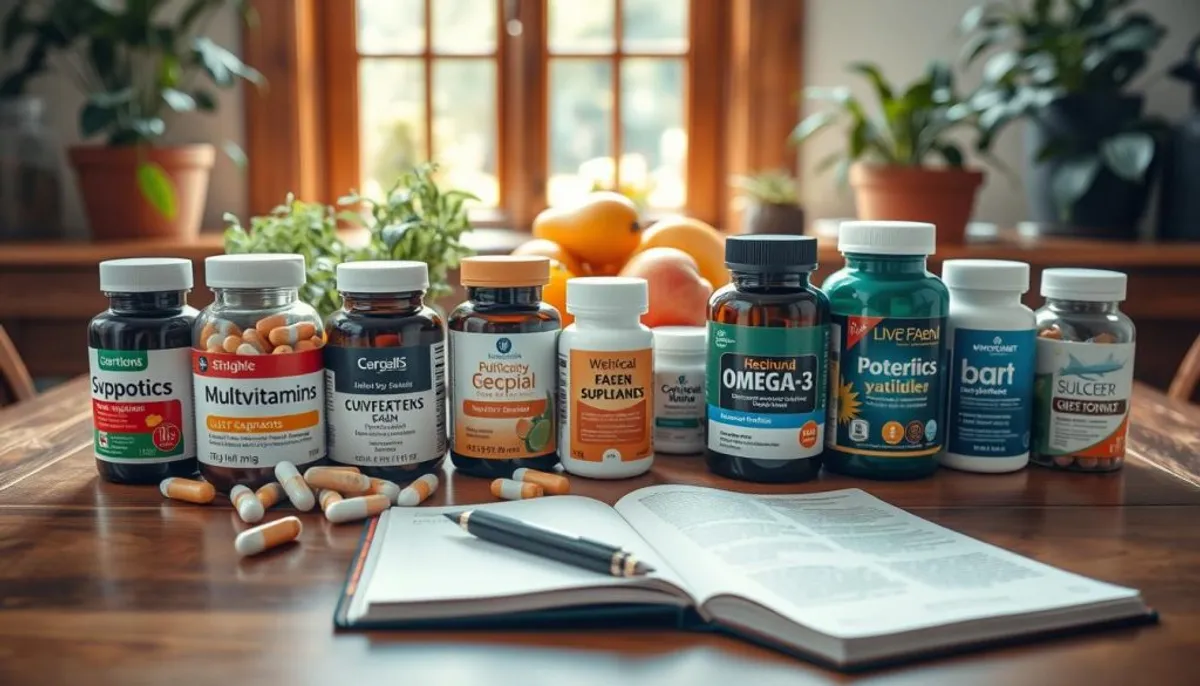
How to Read Labels Effectively
Begin with the Supplement Facts panel. Check the serving size and amounts per serving of each ingredient. Percentages above 100% mean you’re getting more than standard recommendations.
Evaluate the ingredient list carefully. Look for recognizable nutrient forms instead of proprietary blends. These blends often hide specific amounts of each component.
Third-party certification logos provide quality assurance. NSF, USP, and ConsumerLab seals indicate independent verification. This confirms products contain what their labels claim.
Check the source and form of nutrients. Vitamin D3 is generally more effective than D2 for your body. Chelated minerals often absorb better than oxide forms.
Consulting Health Professionals
Healthcare providers offer personalized guidance based on your needs. They assess your medical history and current medications. This helps identify potential interactions.
Professionals provide detailed usage information. For example, they might recommend taking calcium with meals. They could suggest pairing iron with vitamin C-rich foods.
Research individual ingredients using reliable sources. The NIH Office of Dietary Supplements offers evidence-based information. This helps you make safe, effective choices.
Consider cost-effectiveness and convenience factors. Compare prices per dose across different brands. Choose forms that fit your lifestyle preferences.
Conclusion
The true power of wellness support comes from combining knowledge with personalized action. You now have the tools to make smart choices that align with your unique health goals.
Strategic use of quality supplements can fill nutritional gaps and support your longevity journey. They work best alongside healthy eating and active living, not as replacements. Remember to research products carefully and consult professionals when needed.
Ready to take the next step? Visit longevity-supplement.com to explore premium options backed by cutting-edge science. Start your personalized path toward optimal wellness today.
FAQ
What exactly is a dietary supplement?
Think of it as a product you take to add specific nutrients to your body. It comes in forms like pills, powders, or liquids. These products contain ingredients such as vitamins, minerals, or herbs to help fill nutritional gaps in your diet.
Are these products safe for everyone to use?
While many are safe, there are risks to consider. It’s vital to check with a doctor before starting any new regimen, especially if you have health conditions or take other medications. Quality and ingredient amounts can vary between brands.
How do I know which one is right for me?
Your best first step is to look at your diet. See what nutrients you might be missing. Then, talk to a healthcare professional. They can help you understand your needs and recommend a high-quality product that has been third-party tested for purity.
Can I rely on these instead of eating healthy foods?
No, they are meant to support your nutrition, not replace it. A balanced diet full of whole foods like fruits, vegetables, and lean proteins is the foundation of good health. Supplements work best when added to a healthy lifestyle.
What are some common ingredients I might see?
You’ll often find things like collagen for skin and joint support, fish oil for omega-3 fatty acids, and probiotics for gut health. Other popular items include calcium for bones and vitamin D for immune function.
How are these products regulated in the United States?
The FDA oversees the market, but the rules are different from those for prescription drugs. Companies are responsible for ensuring their products are safe and that their labels are truthful. This is why choosing brands that undergo voluntary third-party testing is so important for consumers.