Aging is a complex journey that involves various changes in our bodies over time. This article serves as a practical guide to understanding the key processes that affect our health and longevity. In 2013, researchers, led by Carlos López-Otín, identified nine main characteristics that define how our cells and tissues evolve as we age. The World Health Organization describes aging as the accumulation of damage at the molecular and cellular levels.
As we delve into these characteristics, we will highlight how genomic instability, telomere shortening, and mitochondrial dysfunction can impact our overall health. It’s important to recognize that biological aging is not merely about the number of years lived but reflects the gradual decline in cellular function.
This framework continues to evolve as new evidence emerges, emphasizing that no single intervention can tackle all aspects of aging. By understanding these interconnected processes, we can better strategize for healthier living and longevity.
Key Takeaways
- Understanding aging involves recognizing changes in cells and tissues over time.
- The original framework introduced nine characteristics that continue to expand.
- Biological aging reflects cellular damage, not just chronological age.
- Genomic instability and other factors significantly influence health.
- Interconnected processes mean multiple strategies are needed for effective interventions.
Introduction to the Aging Process
The journey of aging is characterized by various physical and biological shifts that affect our well-being. The World Health Organization defines aging as the accumulation of molecular and cellular damage that disrupts the body’s dynamic equilibrium. This damage can lead to significant changes in our health and function over time.
It’s essential to understand the difference between chronological age and biological age. Chronological age refers to the elapsed calendar time, while biological age reflects the accumulated impact of molecular damage on our cells and organs. This means that some individuals may experience biological aging at different rates.
Factors such as genetics, environment, and lifestyle can influence this process. For instance, one person may age more rapidly due to stress or poor health conditions, while another may maintain a youthful biological age despite being older chronologically.
Recognizing the interconnected nature of primary, antagonistic, and integrative hallmarks can guide us in evaluating lifestyle strategies. A personalized approach, focusing on individual biomarkers, is vital rather than relying on a one-size-fits-all solution.
Hallmarks of Aging Explained: Key Concepts Unveiled
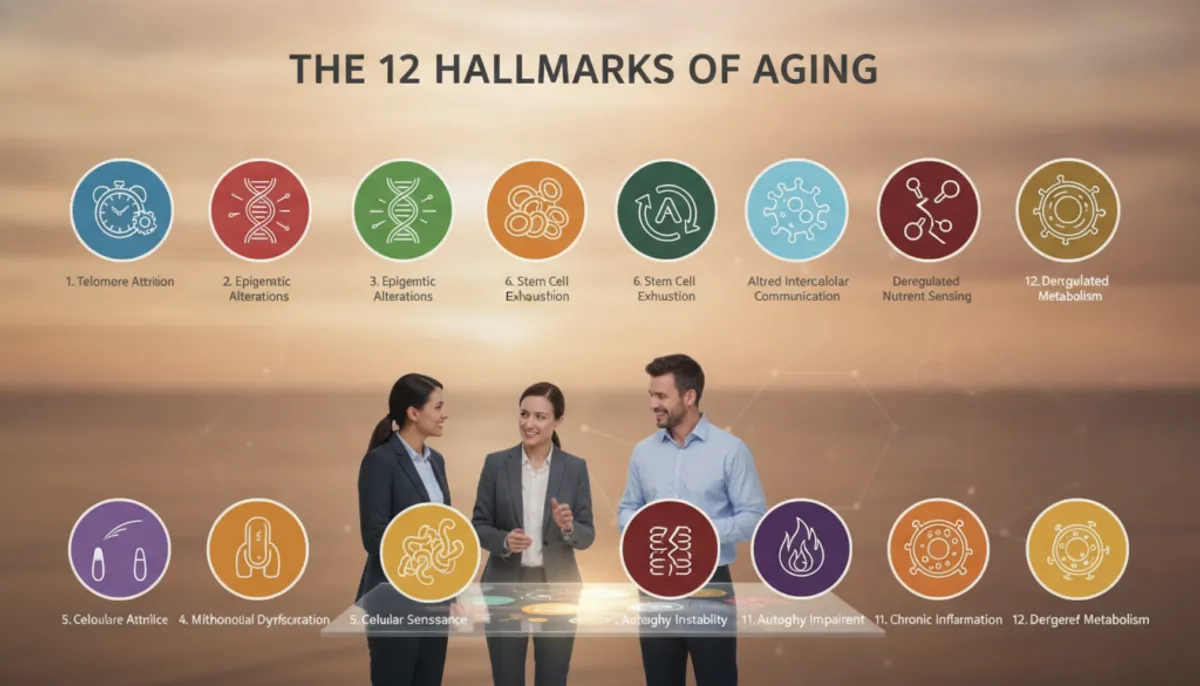
The experience of aging is marked by profound shifts at the cellular and biological levels. Understanding these changes helps us grasp how our bodies function over time. The primary hallmarks include genomic instability, telomere attrition, epigenetic alterations, and loss of proteostasis. These factors represent early molecular damage that affects DNA, chromosomes, and protein quality control.
Next, we have antagonistic hallmarks. These protective responses can become harmful when faced with persistent nutrient stress, mitochondrial dysfunction, or cellular senescence. This indicates that what may start as a defense mechanism can lead to further complications.
Finally, integrative hallmarks reflect the downstream effects that hinder tissue regeneration and overall body function. As scientists continue to study these processes, the number of identified hallmarks may evolve, showcasing the complexity of biological aging.
Blueprint Inspired Longevity Insights
Delving into the principles of wellness provides a roadmap for healthier living. Bryan Johnson’s Blueprint approach emphasizes systematic tracking of health indicators. By focusing on measurable outcomes, individuals can tailor their routines for optimal results.
One key element highlighted in recent studies is NAD+. This molecule acts as a central hub for various biological processes, including DNA repair and mitochondrial health. In a 2026 study, researchers found that NAD+ significantly influences stem cell function and inflammation.
A human study tested 1,000 mg of nicotinamide riboside daily for five months. While three out of seven epigenetic clocks showed signs of slower aging, one clock indicated a slight acceleration. This underscores the importance of a balanced approach.
Rather than relying solely on one compound, consider combining nutrition, exercise, and sleep with professional guidance. This holistic strategy can lead to better health outcomes and potentially slow down the decline associated with biological changes.
Genomic Instability and DNA Damage
Genomic instability represents a critical factor in how our cells experience changes over time. It refers to the accumulation of DNA lesions and mutations that disrupt the instructions needed for building proteins and enzymes. This instability can lead to significant health issues, including accelerated aging and an increased risk of cancer.
Every day, our cells face about 20,000 damaging events. These events can stem from both internal and external sources. Internal sources include replication errors and reactive oxygen species, while external sources involve factors like ultraviolet radiation, smoking, and environmental toxins.
When DNA damage goes unrepaired, it can produce harmful cellular products. This raises the risks associated with various degenerative diseases. To support the body’s repair mechanisms, consider adopting healthy lifestyle choices:
- Engage in regular exercise.
- Maintain a balanced diet rich in antioxidants.
- Utilize individualized testing to monitor health.
By focusing on these strategies, you can help enhance your body’s ability to repair DNA and mitigate the effects of genomic instability.
Telomere Attrition: Shortening and Protective Strategies
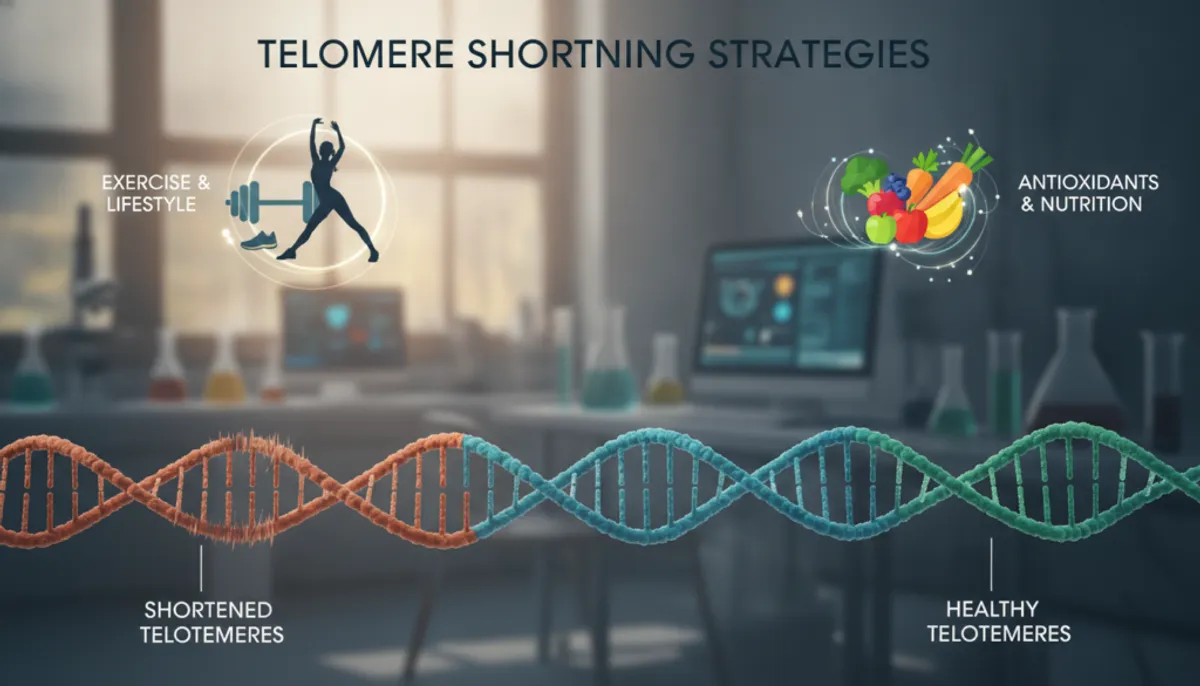
Telomeres play a crucial role in protecting our chromosomes from degradation. These structures act like aglets on shoelaces, preventing the ends from fraying. However, during cell division, telomeres shorten, and cells may stop dividing after approximately 50-60 rounds of division.
Factors such as oxidative stress, inflammation, and chronic stress can accelerate telomere shortening. This decline in telomere length reduces the regenerative potential of cells, leading to increased cellular senescence.
To support telomere health, consider the following strategies:
- Incorporate vitamins C and E into your diet.
- Consume beta-carotene and omega-3 fatty acids.
- Engage in regular exercise.
- Practice meditation and yoga to manage stress.
Telomere-length testing can inform a personalized longevity plan. However, it’s important to remember that test results should be interpreted with the guidance of qualified professionals.
Epigenetic Alterations and Gene Expression Changes
The regulation of gene activity plays a vital role in how our cells respond to the passage of time. Epigenetics refers to the control system that determines which genes are active or silent without altering the DNA sequence itself. This process is crucial as it can influence how cells function and adapt.
Key mechanisms involved in epigenetic changes include DNA methylation, histone modifications, and chromatin remodeling. These alterations can significantly impact gene expression and cellular behavior, potentially leading to dysfunction.
When gene regulation is inaccurate, it may impair essential functions like repair, metabolism, and immune activity. Such disruptions can contribute to the decline associated with biological aging.
Moreover, epigenetic clocks are emerging tools that estimate biological age based on DNA methylation patterns. This offers a new perspective on assessing health and aging beyond mere calendar years.
To support healthy gene expression, consider interventions such as stress management, regular exercise, and balanced nutrition. Each individual may require tailored strategies to optimize their health.
Loss of Proteostasis: Maintaining Protein Homeostasis
The balance of protein management within our cells is crucial for maintaining health as we age. Loss of proteostasis refers to the gradual failure of cells to fold, repair, recycle, or remove damaged proteins. When proteins misfold or accumulate, they can interfere with cellular function, leading to serious health issues.
For example, in Alzheimer’s disease, the accumulation of tau and amyloid-beta proteins disrupts normal brain function. Similarly, in Parkinson’s disease, alpha-synuclein aggregates can lead to neuronal damage. These misfolded proteins contribute to cellular dysfunction and accelerate the decline associated with biological changes.
To combat these issues, autophagy acts as an internal recycling system, clearing damaged proteins and cellular debris. Supporting this process can be achieved through various interventions:
- Adopt a Mediterranean-style diet rich in antioxidants.
- Engage in regular exercise to enhance cellular function.
- Consider compounds like spermidine or curcumin that may promote proteostasis.
By focusing on these strategies, we can help maintain protein homeostasis and support overall health as we navigate the complexities of aging.
Deregulated Nutrient Sensing and Metabolic Shifts
Nutrient sensing is a critical cellular process that governs how our bodies respond to available resources. This balance is essential for maintaining growth, energy storage, and cellular repair. Key pathways involved include mTOR, insulin, and IGF-1 signaling, which promote growth, while AMPK and sirtuins encourage energy conservation.
As we age, this balance can become disrupted. Growth-related pathways may remain active longer than necessary, leading to dysfunction in repair mechanisms. This deregulation is linked to various health issues, including type 2 diabetes and heart conditions.
To address these challenges, certain dietary strategies can be beneficial:
- Caloric restriction and intermittent fasting can mimic nutrient scarcity, activating maintenance processes.
- Research into compounds like rapamycin and metformin shows promise but should be approached with medical oversight.
Implementing these interventions can help support metabolic health and potentially slow down the decline associated with biological changes.
| Intervention | Mechanism | Potential Benefits |
|---|---|---|
| Caloric Restriction | Activates repair processes | May enhance longevity |
| Intermittent Fasting | Promotes energy conservation | Improves metabolic health |
| Rapamycin | Inhibits mTOR pathway | May reduce age-related diseases |
| Metformin | Improves insulin sensitivity | May lower diabetes risk |
Mitochondrial Dysfunction and Energy Decline
Mitochondria are the powerhouses of our cells, generating energy essential for our daily functions. As we age, these vital organelles can experience dysfunction, leading to a decline in energy production. This reduction can significantly impact our overall health and vitality.
One major contributor to mitochondrial dysfunction is oxidative stress. Reactive oxygen species, generated during energy production, can damage mitochondrial membranes and DNA. This damage can impair the function of mitochondria, further exacerbating energy decline.
DNA polymerase gamma plays a crucial role in repairing and replicating mitochondrial DNA. When this process is disrupted, it can lead to various health issues, including neurodegenerative diseases, cancer, and metabolic conditions.
To support mitochondrial health, consider these personalized interventions:
- Engage in regular exercise to enhance mitochondrial function.
- Maintain a balanced diet rich in nutrients.
- Ensure adequate vitamin D levels.
- Practice caloric moderation.
- Explore selected supplements that may boost mitochondrial performance.
| Intervention | Mechanism | Potential Benefits |
|---|---|---|
| Regular Exercise | Enhances energy production | Improves overall health |
| Balanced Diet | Provides essential nutrients | Supports cellular function |
| Vitamin D | Promotes mitochondrial health | May reduce disease risk |
| Caloric Moderation | Reduces oxidative stress | Supports longevity |
Cellular Senescence and the Accumulation of Non-Dividing Cells
Cells can enter a state of senescence, ceasing to divide while still remaining active. This process occurs when damaged or stressed cells stop replicating but continue to function metabolically. Unfortunately, senescent cells can release inflammatory molecules, known as the senescence-associated secretory phenotype, which may harm nearby tissues.
While senescence can help suppress tumor growth in younger tissues, it can become detrimental as we age. The accumulation of these non-dividing cells contributes to chronic inflammation and cellular dysfunction, leading to a decline in overall health.
Research into senolytics, such as quercetin, fisetin, and navitoclax, aims to remove these senescent cells. However, these compounds are still under investigation and not guaranteed treatments. In contrast, senomorphics like metformin, apigenin, rapamycin, and kaempferol focus on modifying the effects of senescent cells rather than eliminating them.
Stem Cell Exhaustion: Decline in Regenerative Capacity
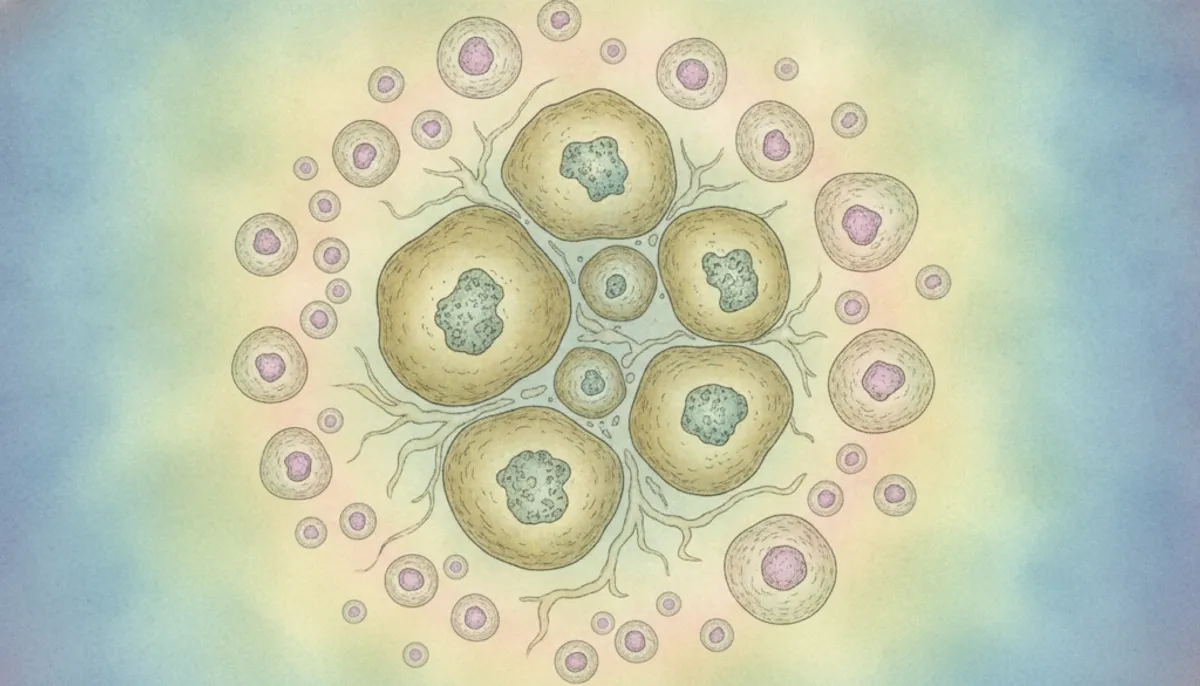
The ability of our body to heal and regenerate diminishes as we age. Stem cells are essential for renewing tissues and can differentiate into specialized cell types. However, with time, the number and function of these cells decline, limiting the body’s capacity to repair itself after injury.
For example, hematopoiesis is the process by which blood cells are produced. Age-related impairments in this process can reduce the production of immune cells, increasing the risk of infections.
Moreover, stem cell exhaustion is linked to various health issues, including delayed healing, cognitive decline, and cardiovascular conditions. This decline can also lead to metabolic problems and neurological diseases.
To support regenerative capacity, consider interventions such as:
- Caloric restriction and fast-mimicking diets.
- Regular exercise to enhance stem cell function.
- Clinical guidance to tailor strategies for individual needs.
Altered Intercellular Communication and Inflammaging
The intricate web of cellular interactions plays a pivotal role in maintaining health. Intercellular communication involves chemical and electrical signals that coordinate the activities of cells, tissues, and organs. However, this communication can be disrupted by factors such as aging, inflammation, and environmental changes.
As we age, our immune capacity declines, which can distort these vital communication networks. This disruption often leads to chronic low-grade inflammation, commonly referred to as inflammaging. Such inflammation can persist across older age, influencing multiple systems in the body.
Altered signaling is linked to various health issues, including frailty, dementia, and cancer. To support healthier cellular communication, consider the following strategies:
- Engage in regular exercise to enhance cell signaling.
- Focus on a high-quality diet rich in nutrients.
- Manage stress through relaxation techniques.
- Seek professional evaluation for personalized health strategies.
| Intervention | Mechanism | Potential Benefits |
|---|---|---|
| Exercise | Improves signaling pathways | Enhances overall health |
| Quality Diet | Provides essential nutrients | Supports cellular function |
| Stress Management | Reduces inflammation | Improves mental well-being |
Emerging Hallmarks: New Perspectives on Aging
Recent studies reveal that our understanding of the aging process is continuously evolving. The hallmarks framework has expanded from nine characteristics in 2013 to twelve, and now to fourteen in 2026. This latest research introduces two significant additions: extracellular matrix alterations and socio-psychological isolation.
Moreover, other emerging perspectives include:
- Compromised autophagy, affecting cellular cleanup.
- Microbiome disturbance, impacting overall health.
- Altered mechanical properties, influencing tissue function.
- Splicing dysregulation, affecting gene expression.
- Inflammation, contributing to chronic health issues.
These new hallmarks often separate previously combined processes, enriching our understanding rather than invalidating earlier research. Social connection, tissue structure, microbiome balance, and cellular cleanup are essential elements that may belong in a broader model of aging.
Interventions and Lifestyle Changes to Reverse Aging Hallmarks
To enhance longevity, it’s crucial to adopt specific lifestyle changes and interventions. These strategies can significantly impact how we experience the aging process. Personalized diagnostics play a vital role in this journey, helping to identify individual health markers.
Personalized Diagnostics and Longevity Roadmaps
Healthy Longevity Clinic diagnostics may assess telomere length, cellular health, and mitochondrial function. By understanding these biomarkers, individuals can create a tailored Longevity Roadmap. This roadmap serves as an individualized plan based on diagnostic results rather than a universal checklist.
Integrative Supplement and Diet Strategies
Implementing broad lifestyle strategies can enhance overall health. Consider incorporating:
- Regular exercise to improve cellular function.
- Healthy nutrition rich in antioxidants to combat oxidative stress.
- Stress reduction techniques to support intercellular communication.
- Caloric control through intermittent fasting.
Additionally, supporting NAD+ levels can aid in DNA repair and energy production. Remember, supplements and other interventions require qualified medical guidance for optimal results.
Your Longevity-Supplement.com Journey to a Healthier Life
Embarking on a journey toward longevity involves understanding the various changes our bodies undergo. At longevity-supplement.com, we connect you with premium supplements and the latest health insights. This platform is inspired by the wellness strategies of Bryan Johnson, focusing on enhancing your health and longevity.
By exploring topics like cellular health, nutrition, and energy recovery, you can discover effective interventions tailored to your needs. Remember, supplements work best when selected based on your personal goals and health status. Consulting with professionals ensures you make informed choices.
Our resources aim to maximize your life potential while supporting healthier daily habits. Start your journey toward a longer, healthier life today! Sign up now at longevity-supplement.com!
Conclusion
Understanding the complexities of biological change can empower us to navigate the aging process. Genomic instability, telomere attrition, and epigenetic alterations contribute to biological decline. These factors interact with mitochondrial dysfunction, senescent cells, and stem-cell exhaustion, impacting overall health.
To combat these challenges, focus on exercise, nutrition, sleep, and stress reduction. Personalized diagnostics can guide your health journey. While emerging supplements and therapies show promise, they should complement, not replace, qualified medical care.
Remember, biological change is interconnected. Supporting metabolism, repair, energy, and inflammation can positively influence multiple aspects of health. Begin your personalized journey toward a healthier life today by signing up at longevity-supplement.com for premium supplements and insights!
FAQ
What are the main factors contributing to aging?
Key factors include genomic instability, telomere shortening, and mitochondrial dysfunction. These processes lead to cellular damage and decline in function over time.
How does oxidative stress affect the body?
Oxidative stress results from an imbalance between free radicals and antioxidants. It can lead to DNA damage, inflammation, and contribute to the aging process.
What role do stem cells play in aging?
Stem cells are crucial for tissue repair and regeneration. As we age, stem cell exhaustion occurs, reducing their ability to regenerate and maintain healthy tissues.
How can lifestyle changes impact aging?
Making healthy choices, such as a balanced diet and regular exercise, can enhance nutrient sensing and improve overall cellular function, potentially slowing down the aging process.
What is cellular senescence?
Cellular senescence refers to the state where cells stop dividing but remain metabolically active. This accumulation can lead to inflammation and tissue dysfunction.
How does telomere shortening affect health?
Telomeres protect chromosome ends. As they shorten with each cell division, it can lead to genomic instability and increased risk of age-related diseases.
What are some interventions to support healthy aging?
Interventions include dietary changes, supplements, and lifestyle modifications that target proteostasis and improve intercellular communication.
Can mitochondrial dysfunction be reversed?
While complete reversal may not be possible, supporting mitochondrial health through antioxidants and proper nutrition can help improve energy production and reduce dysfunction.
What is the significance of proteostasis in aging?
Maintaining proteostasis is essential for cellular health. Disruption can lead to protein misfolding and accumulation, contributing to age-related decline.
How does inflammation relate to aging?
Chronic low-grade inflammation, often referred to as inflammaging, can accelerate the aging process and is linked to various age-related diseases.