
In the fascinating world of biology, some cells seem to defy the natural order. They stop dividing but remain active, creating a unique state known as senescence. This phenomenon was first described by Leonard Hayflick in the 1960s, when he observed that human fetal fibroblasts ceased to divide after a certain number of culture passages.
Understanding this process sheds light on how cells manage to halt their growth while still influencing their environment. These senescent cells play a crucial role in preventing damaged cells from proliferating uncontrollably, which is vital for maintaining tissue health.
Throughout our lives, this mechanism occurs, raising questions about its impact on aging and overall health. Our exploration will reveal why these cells refuse to die and how they affect longevity and wellness.
Key Takeaways
- Senescent cells stop dividing but remain metabolically active.
- Leonard Hayflick’s research in the 1960s laid the groundwork for understanding this process.
- This state helps prevent the spread of damaged cells in tissues.
- Cellular senescence occurs throughout a person’s life.
- These cells influence their surroundings through complex signaling pathways.
Introduction to Cellular Senescence and Longevity
Cells exhibit remarkable behaviors that can influence our understanding of health and longevity. Cellular senescence is a widespread biological process that plays a critical role in tissue remodeling. This includes essential functions like wound repair and embryogenesis.
Unlike aging, which signifies a progressive decline over time, senescence is a lifelong phenomenon. Researchers, such as D. Muñoz-Espín, have shown that programmed cell senescence is a conserved mechanism during mammalian development.
The connection between these dormant cells and overall health is profound. They contribute to tissue regeneration while also being linked to age-related pathologies. Maintaining a balance between cell proliferation and senescence is vital for preventing metabolic disorders.
Understanding the basics of this state helps clarify why the body retains these cells instead of simply clearing them away. As we age, the accumulation of these cells can lead to a decline in physiological function, impacting our overall health and lifespan.
what is cellular senescence
In the intricate landscape of cellular biology, certain cells choose to halt their division. This state, known as senescence, differs from quiescence, where cells can reenter the cycle under specific stimuli. Senescent cells are marked by a stable cell cycle arrest, meaning they resist growth-promoting signals in the body.
This biological phenomenon was first highlighted by Leonard Hayflick, who observed that non-transformed cells do not replicate indefinitely in lab cultures. Typically, DNA damage triggers this process, prompting cells to stop dividing to prevent the spread of mutations.
Unlike terminally differentiated cells, senescent units remain metabolically active. They continue to influence their surrounding tissue environment, which is crucial for maintaining overall health. Below is a summary of the key characteristics of these cells:
| Characteristic | Description |
|---|---|
| Cell Cycle Arrest | Stable state preventing further division |
| Metabolic Activity | Remain active and influence tissue |
| Trigger | Often initiated by DNA damage |
| Comparison | Different from quiescent cells |
The Hayflick Limit and Replicative Senescence
Exploring the limits of cell replication can shed light on the aging process. In the early 1960s, researchers Leonard Hayflick and Paul Moorhead discovered that normal human fetal fibroblasts can divide only about 50 times. This finding introduced the concept known as the Hayflick limit, which explains why these cells have a finite lifespan before entering replicative senescence.
Each time a cell divides, its telomeres shorten. Telomeres are protective caps on the ends of chromosomes, and as they become critically short, they signal the cell to stop dividing. This process is crucial for maintaining the integrity of the genome.
When telomeres reach a critical length, they are treated as double-strand breaks, leading to a permanent cell cycle arrest. This mechanism acts as a biological clock, limiting the number of divisions a cell can undergo. Understanding telomere shortening helps explain why human cells cannot replicate indefinitely without specific genetic modifications.
The historical work of Hayflick and Moorhead remains essential for our modern understanding of aging and the limits of cell division.
DNA Damage Response and Cell Cycle Arrest
Cells have intricate mechanisms that respond to damage, leading to crucial decisions about their future. One key process is the DNA damage response, which halts cell cycle progression until any damage, like double-strand breaks, is repaired. This ensures that damaged cells do not replicate, protecting the integrity of the organism.
Persistent activation of ATM and ATR kinases triggers pathways involving p53, p21, and p16/pRb. These pathways enforce a permanent state of cell cycle arrest. The p53 protein serves as a master regulator, activating p21 to inhibit cyclin-dependent kinases, effectively stopping the cell cycle at G1.
Moreover, reactive oxygen species can induce significant oxidative stress, leading to DNA damage that forces cells into a state of permanent senescence. When damage is too severe for repair, a signaling cascade is initiated to prevent further replication. This process is essential for preventing genomic instability, which could otherwise result in malignant tumors.
Morphological and Metabolic Changes in Senescent Cells
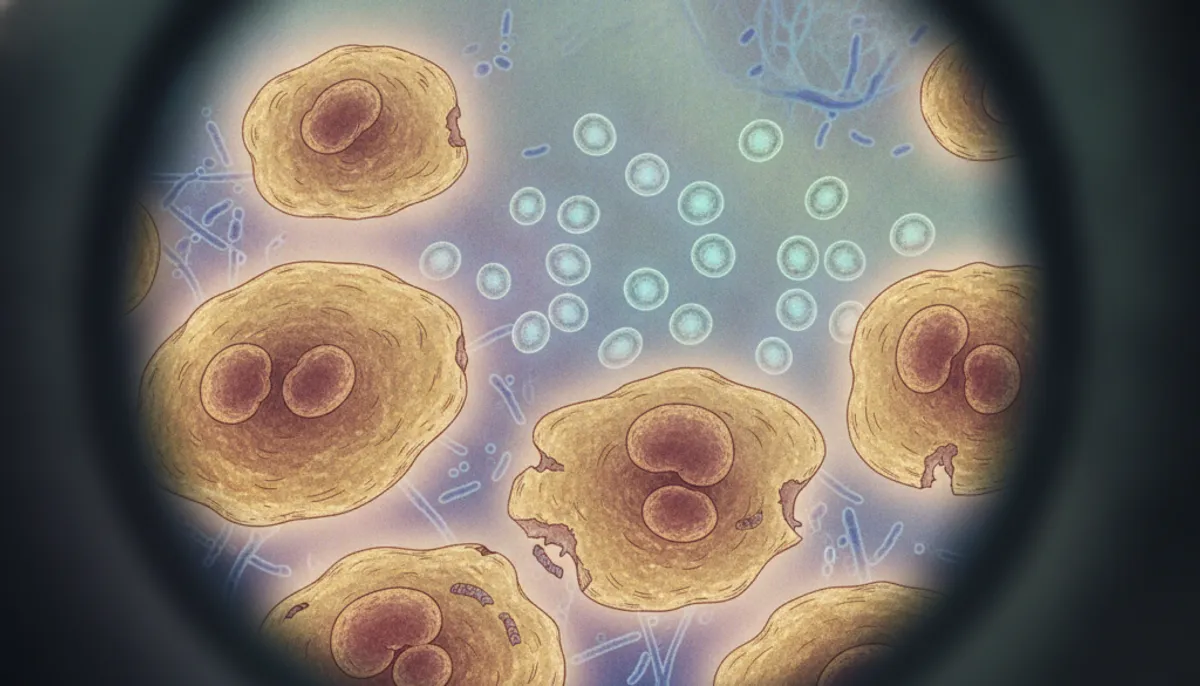
Understanding how cells change during senescence can illuminate their impact on overall health. Senescent cells undergo dramatic morphological changes, becoming significantly enlarged and flattened compared to their actively dividing counterparts.
These cells often display extensive vacuolization and may even become multi-nucleated. This reflects a fundamental shift in their internal organization and metabolic activity. A hallmark of this state is the accumulation of dysfunctional mitochondria, leading to increased levels of reactive oxygen species.
Additionally, the loss of lamin B1 expression disrupts nuclear envelope integrity, a key feature in many senescent cell populations. The activity of senescence-associated β-galactosidase, measured at pH 6.0, serves as a reliable biomarker for identifying these dormant cells.
| Characteristic | Description |
|---|---|
| Cell Size | Enlarged and flattened structure |
| Vacuolization | Extensive vacuoles present |
| Mitochondria | Accumulation of dysfunctional mitochondria |
| Nuclear Integrity | Loss of lamin B1 expression |
| Biomarker | Senescence-associated β-galactosidase activity |
Cellular Senescence in Aging and Age-Related Diseases
As we delve deeper into the relationship between aging and cellular behavior, we uncover the profound effects of dormant cells. The accumulation of these cells in aging tissues is strongly linked to various age-related diseases, such as frailty and sarcopenia.
While senescence evolved as a protective mechanism against cancer, the chronic presence of these cells can paradoxically promote tissue degeneration and inflammation. Research by Baker et al. in 2011 demonstrated that removing p16-positive senescent cells can delay age-associated disorders in mouse models.
These cells contribute to chronic conditions by secreting factors that disrupt the normal function of neighboring healthy cells. In the context of cancer, senescence acts as a double-edged sword, preventing the transformation of damaged cells while potentially fueling tumor progression.
The progressive decline in tissue function observed during aging is partly driven by the inability of the immune system to clear these cells. Understanding the role of senescence in age-related diseases is crucial for developing therapies that can extend the healthy human lifespan.
Senescence-Associated Secretory Phenotype (SASP) Overview
The interplay of cellular behaviors reveals a complex network of secreted factors. The senescence-associated secretory phenotype, or SASP, consists of various cytokines, chemokines, growth factors, and proteases. These components significantly influence the surrounding tissue microenvironment.
Regulation of the SASP occurs through an autocrine feedback loop. This process heavily relies on the ongoing DNA damage response within cells. The SASP can recruit immune cells, aiding in the removal of damaged cells. However, it also has the potential to promote tumor progression through mechanisms like angiogenesis.
Key SASP molecules, such as IL-6 and IL-8, can induce senescence in neighboring cells. This creates a localized inflammatory environment, which can have both beneficial and harmful effects.
| Component | Function |
|---|---|
| Cytokines | Promote inflammation and recruit immune cells |
| Chemokines | Guide immune cell migration |
| Growth Factors | Support tissue repair and regeneration |
| Proteases | Break down extracellular matrix components |
The dual role of the SASP is crucial. It can act as a tumor suppressor by signaling for clearance or, conversely, promote malignancy. Chronic inflammation driven by the SASP contributes to systemic immunosuppression and tissue damage in many age-related diseases.
Biomarkers and Identification of Senescent Cells
Identifying the markers of dormant cells can unlock insights into their complex roles in health. A multi-marker approach is essential for accurately detecting these cells across various tissues. This is due to their high heterogeneity.
Among the most common markers are:
- p16INK4A: A frequently used biomarker, though it can also be present in some tumors.
- γ-H2A.X: This phosphorylated protein indicates persistent DNA damage within the nucleus.
- p21: A key protein that mediates the cell cycle arrest characteristic of the senescent state.
- Senescence-associated β-galactosidase: Widely used, despite its limitations in specificity for certain cell types.
The Cellular Senescence Program Network aims to identify and characterize these cells using advanced techniques. Researchers must remain cautious, as some markers may also appear in apoptotic or quiescent cells, leading to false positives. Developing novel, non-invasive detection methods is a key goal in current longevity research.
Oncogene-Induced Senescence in Cancer Prevention
Understanding oncogene-induced senescence provides valuable insights into the mechanisms that prevent tumor formation. This process acts as a powerful cell-autonomous anti-cancer mechanism. It stops the transformation of cells that have been influenced by oncogenic signaling, effectively halting their proliferation.
For instance, the hyperactivation of oncogenes like H-Ras triggers this state. Research indicates that the expression of H-RASV12 leads to chronic p38 MAPK signaling, which is a crucial driver of the senescence response in cells.
This mechanism serves as a fail-safe, ensuring that cells with oncogenic mutations do not progress to malignancy. Notably, in benign lesions, such as those found in neurofibroma patients, a senescent phenotype limits tumor growth.
- Genetic manipulations that disrupt this senescence response often result in aggressive carcinomas in experimental models.
- The p53 tumor suppressor pathway frequently plays a role, acting as a critical gatekeeper against cancer development.
- By harnessing these pathways, scientists aim to create therapies that trigger senescence in tumor cells, mitigating cancer progression.
Immune System Interaction and Clearance of Senescent Cells
The immune system plays a pivotal role in maintaining cellular balance within the body. It employs both innate and adaptive components to clear senescent cells effectively. This process is essential for tissue homeostasis and overall health.
Natural Killer Cells and Macrophage Engagement
Natural killer (NK) cells are crucial in directly eliminating these dormant cells. They also produce cytokines that activate macrophages, which then phagocytize the remaining cellular debris. These immune cells utilize receptors like NKG2D to identify specific ligands, such as MICA and ULBP2, that are upregulated on the surfaces of senescent cells.
Immunosenescence and Its Impact
As we age, a phenomenon known as immunosenescence occurs, leading to a reduced capacity to clear these cells. This accumulation can be exacerbated by chronic inflammation caused by the senescence-associated secretory phenotype (SASP). Furthermore, CD8+ cytotoxic T-lymphocytes also play a role in surveilling and eliminating senescent cells.
Research indicates that T cells, B cells, and NK cells can themselves become senescent, further impairing the immune system’s ability to manage these populations. Understanding the interaction between the immune system and senescent cells is crucial for developing strategies to improve health in the elderly population.
Senescence in Wound Healing and Tissue Repair
In the realm of biological sciences, the role of certain cells in healing wounds is increasingly recognized. Cellular senescence is not merely a pathological process; it plays a vital role in tissue remodeling, especially during cutaneous wound healing.
The matricellular protein CCN1 has been shown to induce fibroblast senescence, which helps to restrict fibrosis and promote efficient tissue repair. This is particularly important in the cornea, where fibroblast senescence is necessary for proper regeneration after injury.
While prolonged senescence can be maladaptive, the transient presence of these cells is essential for coordinating the complex stages of wound healing. Here are some key insights:
- Reducing senescence in certain hydrogel models can enhance fibroblast migration, crucial for effective wound closure.
- Elevated local senescence in diabetic patients is linked to delayed wound healing, emphasizing the need for balance.
- Understanding the beneficial roles of these cells can lead to targeted therapies that promote regeneration without causing chronic tissue damage.
- This dual nature of senescence underscores the importance of context in determining whether the process is helpful or harmful to the organism.
| Aspect | Impact |
|---|---|
| Fibroblast Senescence | Restricts fibrosis, promotes repair |
| CCN1 Protein | Induces beneficial senescence |
| Diabetic Patients | Pathological repair, delayed healing |
| Hydrogel Models | Enhanced fibroblast migration |
Innovative Health Strategies Inspired by Blueprint Bryan Johnson
In today’s fast-paced world, innovative health strategies are emerging to enhance our longevity. Longevity Supplement serves as your gateway to maximizing life potential by embracing health strategies that aim to defy the aging process.
Inspired by the innovative approach to wellness championed by Blueprint Bryan Johnson, our platform connects you to premium supplements and cutting-edge insights. By understanding the biology of senescence, individuals can make informed decisions to support their cellular health and overall vitality.
Here are some key benefits of joining our community:
- Access to expert-curated information that bridges complex scientific discoveries with daily wellness practices.
- Actionable advice that empowers you to take control of your health and optimize your body’s natural regenerative capabilities.
- Strategies to better manage the impact of senescent cells on your long-term health and physical performance.
- Exclusive resources that help you apply principles of longevity for a more vibrant future.
| Feature | Benefit |
|---|---|
| Premium Supplements | Support cellular health and vitality |
| Cutting-Edge Insights | Stay informed on the latest research |
| Expert Guidance | Navigate health strategies effectively |
| Community Support | Connect with like-minded individuals |
Senolytic Drugs and Emerging Therapeutic Approaches
Recent advancements in medicine are focusing on innovative therapies to combat the effects of aging. One promising area of research involves senolytic drugs, which are designed to selectively eliminate senescent cells from the body. These cells, while initially protective, can contribute to various age-related diseases when they accumulate.
Senolytic drugs work by inducing apoptosis in dormant cells, relying on the body’s immune system to clear away the resulting debris. Early clinical trials have shown that these therapies could be beneficial in treating numerous conditions linked to aging.
Researchers are exploring various methods to enhance the effectiveness of these drugs. For instance, conjugating senolytics to antibodies against β2-microglobulin aims to improve precision in targeting senescent cells. Additionally, innovative approaches like chimeric antigen receptor T cells and anti-aging vaccines are under investigation.
- Senolytic drugs represent a promising class of therapeutics designed to selectively kill and eliminate senescent cells to improve health in the elderly.
- These drugs work by inducing apoptosis in dormant cells, relying on the body’s phagocytic immune system to remove the resulting cellular debris.
- Early clinical trials have confirmed that senotherapeutic approaches could be beneficial in treating various human diseases associated with the aging process.
- The goal of these therapies is to delay the onset of age-related disorders and extend the healthy lifespan of patients in clinical settings.
- Larger clinical trials are currently needed to translate these promising laboratory findings into safe and effective patient care for the general population.
| Aspect | Details |
|---|---|
| Drug Mechanism | Induces apoptosis in senescent cells |
| Clinical Trials | Evaluating effectiveness in age-related diseases |
| Innovative Methods | Conjugating to antibodies for precision targeting |
| Future Goals | Extend healthy lifespan and delay disorders |
Lifestyle and Supplement Strategies to Defy Aging
To combat aging, we must explore effective lifestyle strategies that support our cellular vitality. Adopting healthy habits can significantly reduce oxidative stress, a key factor driving the aging process in our cells.
Regular exercise and a balanced diet are fundamental. These lifestyle interventions help mitigate the harmful effects of reactive oxygen species. Additionally, inhibiting the mechanistic target of rapamycin (mTOR) with substances like rapamycin can suppress senescence, making it a promising target for longevity research.
Nutritional support plays a crucial role as well. For instance, modulating the α-ketoglutarate-TET axis can influence senescence-associated phenotypes, improving the overall proliferative capacity of human cells.
Here are some practical strategies to enhance cellular health:
- Reduce exposure to environmental toxins and manage internal stressors to minimize DNA damage.
- Incorporate supplements that support mitochondrial function to help reduce the accumulation of reactive oxygen species.
- Maintain a healthy weight and metabolic profile to prevent chronic inflammation linked to senescent cells.
- Follow specific dietary patterns that can regulate the secretome of senescent cells, potentially reducing their negative impact on tissues.
| Strategy | Impact |
|---|---|
| Regular Exercise | Reduces oxidative stress |
| Balanced Diet | Supports overall cellular health |
| mTOR Inhibition | Suppresses senescence |
| Nutritional Support | Improves cell proliferation |
By adopting these evidence-based strategies, individuals can proactively support their cellular health and work toward defying the effects of aging.
Future Directions in Senescence Research
As the field of biology evolves, researchers are setting their sights on innovative strategies to better understand and manage dormant cells. The future of senescence research promises exciting advancements that could transform healthcare.
Current efforts are focused on tailoring treatment strategies for individuals suffering from age-related diseases. By understanding the unique profiles of patients, scientists aim to enhance therapeutic effectiveness.
Clinical Trials and Novel Interventions
Ongoing clinical trials are vital for evaluating new therapies targeting senescent cells. These studies will help establish the safety and efficacy of various senotherapeutic approaches, paving the way for their integration into standard medical care.
Emerging Biomarkers and Technological Advances
Technological advancements, such as single-nucleus RNA-Seq, are revealing novel biomarkers like p19, linked to senescent neurons. These breakthroughs are crucial for developing non-invasive diagnostic tools that can accurately detect these cells in clinical settings.
- Future research aims to create individualized treatment strategies for age-related diseases.
- Scientists are identifying new biomarkers associated with senescent cells.
- Non-invasive diagnostic tools are a priority for clinical practice.
- Ongoing clinical trials will assess the safety of new senotherapeutic approaches.
- Research into senescence will enhance our understanding of premature aging diseases.
- Technological advances in gene editing will allow better observation of these cells.
- Integrating multi-omics data will provide a comprehensive view of senescence.
- Novel interventions could revolutionize geriatric medicine.

Conclusion
In conclusion, the journey through the complexities of cellular behavior reveals the delicate balance between health and aging. Cellular senescence serves as both a protective mechanism against cancer and a contributor to age-related tissue degeneration.
By understanding pathways like p53 and the role of the SASP, we gain insight into how these cells influence our overall health. The historical discovery of the Hayflick limit remains a foundational concept guiding modern research into human longevity.
Emerging therapies, including senolytic drugs, hold promise for clearing dormant cells and improving the quality of life for the elderly. Adopting healthy lifestyle habits and staying informed about cutting-edge research are key strategies to support cellular health and defy aging.
As science advances, we move closer to personalized interventions that can effectively manage the impact of these cells on our long-term well-being. We hope this guide has provided a clear understanding of why these old cells refuse to die and how you can take action today.
FAQ
What causes cellular senescence?
Cellular senescence can be triggered by various factors, including DNA damage, oxidative stress, and telomere shortening. These factors lead to a halt in the cell cycle, preventing further division.
How does senescence affect aging?
Senescent cells accumulate over time and contribute to age-related diseases. They can disrupt tissue function and promote inflammation, impacting overall health and longevity.
What is the role of the immune system in clearing senescent cells?
The immune system plays a crucial role in identifying and removing senescent cells. Natural killer cells and macrophages help clear these cells, maintaining tissue health and function.
How do senolytic drugs work?
Senolytic drugs target and eliminate senescent cells, potentially reversing some effects of aging. By reducing the burden of these cells, they may improve healthspan and longevity.
What are the implications of the senescence-associated secretory phenotype (SASP)?
SASP refers to the pro-inflammatory factors released by senescent cells. While it can help in tissue repair, prolonged SASP can contribute to chronic inflammation and promote tumorigenesis.
Can lifestyle changes influence cellular senescence?
Yes, adopting a healthy lifestyle with balanced nutrition, regular exercise, and stress management can help reduce oxidative stress and support cellular health, potentially delaying senescence.
What biomarkers are used to identify senescent cells?
Common biomarkers include p16, p21, and γ-H2A.X. These markers help researchers identify and study senescent cells in various tissues.
How does replicative senescence differ from oncogene-induced senescence?
Replicative senescence occurs due to normal cellular aging, while oncogene-induced senescence is triggered by oncogenic signals, such as those from mutated genes, to prevent cancer development.