
As we age, our bodies undergo numerous changes, and one fascinating aspect is how our genes behave. This article will delve into the concept of epigenetic drift, which refers to the gradual changes in DNA methylation patterns over time. These alterations occur without modifying the actual DNA sequence, highlighting a complex layer of genetic regulation.
Research indicates that age-related changes in DNA methylation include both hypermethylation and hypomethylation. This means that as we grow older, the patterns of methylation do not simply increase or decrease uniformly. Understanding these changes is crucial for grasping how gene expression can shift throughout our lives.
We will also explore the work of Hannum et al., who developed a blood-based predictor that estimates biological age with a remarkable accuracy of ±5 years. This opens up discussions about the potential for measuring age beyond just chronological time.
By connecting foundational science with practical health strategies, this guide aims to provide insights into how we might influence our longevity and overall well-being. While supplements and lifestyle changes show promise, they cannot yet guarantee rejuvenation at the epigenetic level.
Key Takeaways
- Epigenetic drift involves changes in DNA methylation as we age.
- Age-related methylation includes both gains and losses.
- Genetic mutations differ from epigenetic regulation.
- Hannum et al.’s predictor offers insights into biological age.
- Understanding these changes can help inform health strategies.
Understanding the Foundations of Epigenetic Drift
With age, our genetic makeup undergoes significant transformations, impacting how our cells respond to various signals. One crucial aspect of this is DNA methylation, which acts as a regulatory layer. It determines whether specific cellular instructions are available for transcription.
Early studies identified age-associated methylation changes at individual loci, such as IGF2 and ESR1. These findings emerged long before the advent of modern genome-wide arrays. They underscore the importance of understanding how genes can change their expression over time.
A longitudinal study confirmed that global DNA hypomethylation occurs with age. This indicates that aging affects broad epigenetic patterns, rather than just isolated genes. It’s essential to distinguish between chronological age and biological aging, as two individuals born in the same year may exhibit different molecular changes.
Ultimately, this drift reflects a deregulation of normal methylation maintenance, rather than a single programmed switch. Understanding these nuances is vital for grasping the complex nature of gene behavior throughout our lives.
| Study | Findings | Significance |
|---|---|---|
| Early Studies | Age-associated changes at IGF2 and ESR1 | Identified methylation patterns pre-genome-wide arrays |
| Longitudinal Study | Global DNA hypomethylation with age | Indicates broad epigenetic effects |
| Chronological vs Biological Age | Different molecular changes in same-age individuals | Highlights complexity of aging |
Epigenetic Drift Explained: Key Concepts & Mechanisms
The aging process brings about intriguing changes in the behavior of our genetic material. One such change involves the mitotic-clock hypothesis. This concept suggests that each time a stem cell replicates, there is a finite chance of incorrectly copying a methylation mark.
In laboratory settings, spontaneous errors in methylation maintenance have been measured at rates of approximately 10⁻⁴ to 10⁻⁵ per event. This illustrates how even small replication errors can accumulate over numerous cellular divisions.
Two key players in this process are DNMT proteins and TET proteins. DNMT methylases are responsible for maintaining methylation patterns, while TET demethylases help in removing them. Together, they establish and preserve the delicate balance of epigenetic marks.
However, the process is not purely random. Factors like retrotransposon density, Polycomb group occupancy, and CTCF binding influence where these changes occur. This means that while methylation drift is genome-wide, it is uneven, with various regions experiencing different levels and directions of age-related change.
The Role of DNA Methylation in Aging
Aging brings about remarkable transformations in our genetic landscape, affecting how our genes function. One significant change is the process of DNA methylation, which can vary in direction. During normal aging, both hypermethylation and hypomethylation occur, highlighting a complex interplay.
High-CpG-density promoters are particularly affected by age-related hypermethylation. These regions often link to Polycomb group targets and developmental genes, which can experience notable changes in their transcriptional activity. This alteration may reduce their ability to express essential functions, even if the immediate effects seem subtle.
In contrast, imprinted genes typically show less methylation drift compared to other genomic areas. Understanding these differences is crucial, as abnormal promoter methylation is associated with various age-related diseases, including cancer and diabetes. While correlations exist, it’s important to note that they do not imply direct causation.
Exploring the Impact on Stem Cells and Stem Cell Aging
As we grow older, our stem cells undergo notable changes that can impact their functionality. These changes are crucial for understanding how stem cells maintain their regenerative abilities over time.
Research shows that age-associated methylation signatures appear in bone-marrow mesenchymal stem cells from various donors. This indicates that long-lived stem cells may preserve and pass on these age-related changes to their differentiated descendants.
Aged hematopoietic stem cells exhibit hypermethylation of transcription factors necessary for lineage specification. This hypermethylation can help explain the decline in regenerative flexibility that occurs with age.
Additionally, aging in the hematopoietic system is linked to myeloid skewing and immunosenescence. These factors illustrate how the aging process can affect blood-cell balance and immune performance.
Examples of regulatory pathways impacted by age-associated changes include UTF1, SOX8, SOX2, and WNT signaling networks. Understanding these pathways is essential for grasping the broader implications of stem cell aging.
DNA Methylation Drift: CpG Islands, cpg sites, and Gene Expression
The way our genes function can shift dramatically as we progress through life. One key factor in this process is the presence of CpG sites, which are specific sequences of cytosine and guanine nucleotides. When clusters of these sites are grouped together, they form what we call CpG islands.
Studies using Illumina Infinium 27K arrays focused on gene promoters, while the 450K arrays provided broader coverage of CpG sites. This enhanced understanding of how age-related changes in methylation occur across various genomic regions.
A significant number of age-associated changes involve a loss of methylation at CpG sites located in low-CpG-density regions. These areas often start out methylated, making them prime candidates for such changes.
Moreover, the methylation of promoter regions is linked to transcriptional accessibility. However, it’s important to note that not all methylation directly correlates with reduced gene expression. This insight helps in interpreting methylation results more accurately.
Blueprint Insights: Learning from Bryan Johnson’s Longevity Approach
Aging is not just a number; it unveils profound connections between our genetics and health. Inspired by Blueprint Bryan Johnson’s innovative approach to wellness, this section examines how structured wellness can influence longevity.
The source review suggests that maintaining a healthy lifestyle may help preserve a more intact epigenome. This means that the choices we make can potentially mitigate the effects of aging on our genetic material.
Readers should critically evaluate longevity claims. It’s essential to ask whether an intervention measures disease outcomes, DNA methylation age, or only short-term biomarkers. Understanding these distinctions can empower informed decisions.
This discussion will connect aspects like sleep, nutrition, and exercise to risk reduction. While we cannot reset every age-associated mark, we can support our health journey.
For those interested in enhancing their wellness routine, visit longevity-supplement.com for premium supplements and health insights.
Stochastic Processes and Natural Selection in Epigenetic Drift
The process of aging brings forth a series of changes that influence how our genetic material behaves. One intriguing aspect is stochastic drift, which refers to the accumulation of random maintenance errors in our DNA. This concept suggests that aging is not solely a genetically programmed timetable but rather a complex interplay of various factors.
Additionally, the idea of “epigenetic thrift” emerges, framing this drift as a form of evolutionary bet-hedging. In this context, genetic variation may offer flexibility, allowing organisms to adapt to changing environments. For instance, a longer RIL promoter allele with an additional SP1/SP3 binding site demonstrates significantly less age-related methylation, showcasing how genetic modifications can influence stability over time.
Moreover, genetic variants acting in cis help explain why individuals experience different rates of methylation, even if they are of similar ages. This highlights the distinction between natural selection at the population level and individual health decisions, such as lifestyle choices and supplement use.
| Concept | Description | Example |
|---|---|---|
| Stochastic Drift | Accumulation of random maintenance errors | Random methylation changes over time |
| Epigenetic Thrift | Evolutionary bet-hedging for flexibility | Variation in response to environmental changes |
| RIL Promoter | Genetic variant affecting methylation stability | SP1/SP3 binding site impact |
The Influence of Genetic and Environmental Factors on Epigenetic States
The interplay of genetics and environment shapes our biological outcomes as we age. One of the most significant factors influencing these outcomes is chronic inflammation. This condition is linked to methylation drift in various organs, including the colon, esophagus, stomach, lung, and liver.
Research shows that eradicating Helicobacter pylori in gerbils reduced methylation drift, though it did not restore the original methylation patterns. This highlights the lasting impact of inflammation on genetic expression.
Moreover, smoking has been shown to accentuate methylation drift in both lung epithelium and blood. The harmful substances in smoke can trigger changes that affect gene regulation.
Additionally, factors like hypoxia and reactive oxygen species may redirect silencing complexes to DNA. This suggests a molecular link between tissue injury and changes in methylation.
Understanding these connections is crucial, as inflammation can accelerate a mitotic clock by stimulating stem-cell proliferation during repeated injury and repair.
Age-Related Epigenetic Changes: Lessons from Monozygotic Twins and Population Variation
Aging brings to light the fascinating ways our genes can adapt and change. Studies of monozygotic twins provide a unique perspective, as they start with nearly identical genetic material but can diverge due to different environmental influences.
Research indicates that older twin pairs exhibit significantly greater DNA methylation discordance at multiple loci. This suggests that as twins age, their epigenetic profiles can differ substantially, highlighting the role of lifestyle and environmental factors.
Notably, a validated 69-CpG hypermethylation signature has been observed across various tissues, including blood, cervix, lung, and ovarian cancer cells. This finding illustrates that age-related patterns can manifest independently of tissue type.
Key factors contributing to twin epigenetic divergence include:
- Differences in lifestyle choices.
- Time spent apart, leading to varied exposures.
- Population variation driven by inherited traits and environmental history.
| Factor | Impact on Methylation | Example |
|---|---|---|
| Age | Increased discordance | Older twins show more differences |
| Lifestyle | Influences methylation patterns | Diet and exercise variations |
| Environment | Accumulates over time | Exposure to pollutants |
Epigenetic Drift and Cancer Risk: Tumor Suppressor Genes and Disease Patterns
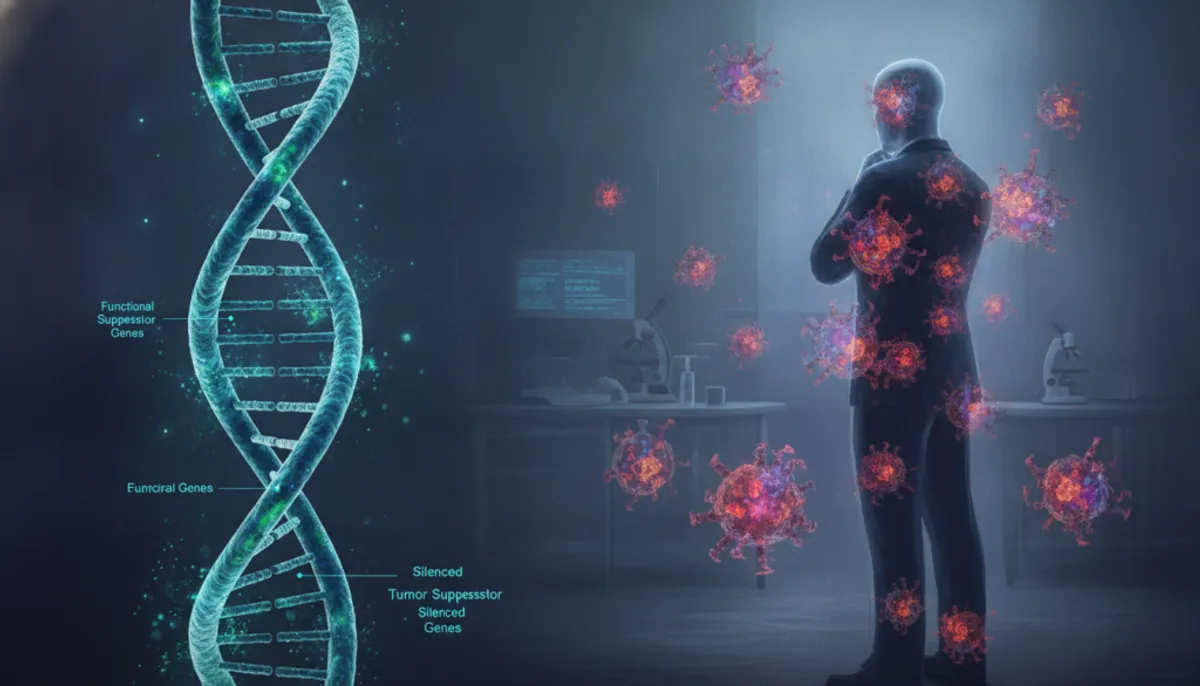
Aging introduces complex changes in our biology that can heighten the risk of cancer. One significant factor is the age-associated methylation at tumor-suppressor promoters. This alteration may create a molecular environment more vulnerable to malignant transformation.
Research indicates that cancer and precursor lesions exhibit aggravated versions of some methylation patterns observed during normal aging. These changes suggest that the aging process itself may amplify risks for developing cancer.
Moreover, shared methylation patterns are often linked to various risk factors, including smoking, inflammation, obesity, and viral oncoprotein expression. This overlap demonstrates how multiple factors can converge on pathways related to cancer risk.
It is important to note that while methylation signatures can indicate an association with cancer risk, they do not prove that a specific methylation event directly causes the disease. Thus, clinical screening remains essential. Epigenetic biomarkers should complement, not replace, established cancer-prevention and diagnostic procedures.
| Factor | Impact on Methylation | Example |
|---|---|---|
| Age | Increased promoter hypermethylation | Linked to tumor suppressor genes |
| Smoking | Aggravates methylation patterns | Enhances cancer risk |
| Obesity | Influences DNA methylation | Contributes to cancer susceptibility |
Using DNA Methylation as a Mitotic Clock for Age Estimation
The aging process reveals intricate patterns in how our genetic makeup operates. One fascinating concept is the mitotic-clock theory, which compares the cumulative errors in methylation-copying to telomere shortening. Both serve as molecular records of cellular divisions.
Research indicates that replication-associated methylation-maintenance errors occur at estimated rates of 10⁻⁴ to 10⁻⁵ in vitro. This gradual accumulation of errors helps explain how repeated cell replication can produce measurable methylation patterns over time.
Hannum et al. developed a blood-based age predictor with a median absolute deviation of approximately ±5 years. This level of accuracy demonstrates the potential of methylation clocks in estimating biological age.
It’s important to note that tissue composition and shifts in cell types can influence age estimates, especially in complex samples like whole blood. Therefore, readers should view these methylation clocks as valuable research tools and risk-assessment methods, rather than definitive measures of healthspan or lifespan.
Emerging DNAm Age Predictors and Forensic Applications
The evolution of our understanding of DNA methylation has led to exciting developments in age prediction. At least three studies have reported effective DNA-methylation-based age predictors. These predictors can estimate biological age more reliably than many other methods.
Forensic researchers are exploring how to estimate the approximate age of a suspect or victim from DNA found at crime scenes. This application could significantly aid investigations.
However, deploying these methods in forensic settings requires careful consideration. Independent-cohort validation, standardized laboratory techniques, and transparent uncertainty ranges are essential.
Technical factors like batch effects, sample quality, tissue type, and cellular composition can distort predictions. Additionally, sex and genetic background may alter methylation-aging rates, affecting the performance of universal models.
Practical Longevity Health Strategies: Supplements and Lifestyle Modifications
Our choices about health and nutrition can significantly influence how we age. One critical aspect is one-carbon metabolism, which provides S-adenosyl-methionine. This methyl donor plays a vital role in enzymatic DNA methylation, affecting gene expression.
Research shows that gestational exposure to high folate and vitamin B12 can enhance locus-specific methylation in newborn mice. This indicates that nutrient effects can be both specific and context-dependent. Moreover, red-blood-cell folate levels correlate positively with promoter CpG-island methylation drift, though correlation does not imply causation.
To promote longevity, consider these practical recommendations:
- Maintain balanced nutrition and regular physical activity.
- Ensure sufficient sleep and avoid smoking.
- Seek professional guidance before using supplements.
For more insights and premium longevity supplements, visit longevity-supplement.com. Remember, supplements should complement, not replace, medical care.
Epigenetic Reprogramming: Potential for Rejuvenation and Regeneration
Transforming differentiated cells into pluripotent stem cells presents a fascinating opportunity for cellular rejuvenation. This reprogramming process leads to significant changes in the DNA methylation landscape. Notably, the loci associated with aging overlap considerably with those altered during reprogramming experiments.
Researchers have proposed the concept of “epigenetic rejuvenation”. This idea suggests that it may be possible to reset age-associated methylation patterns to a state similar to that of embryonic stem cells. While this hypothesis is promising, it remains a subject of ongoing research.
However, restoring youthful regulatory patterns poses challenges. It is crucial to avoid creating uncontrolled growth, loss of cell identity, or tumor formation. Therefore, regenerative applications derived from this research are distinct from consumer longevity claims, as laboratory reprogramming remains technically complex and clinically limited.
| Aspect | Details | Significance |
|---|---|---|
| Reprogramming | Transforming cells to pluripotent state | Widespread DNA methylation changes |
| Age-associated loci | Overlap with reprogramming loci | Potential for resetting aging marks |
| Challenges | Risk of uncontrolled growth | Need for careful regulation |
New Frontiers in Stem Cell Biology and Epigenomic Research
The exploration of stem cell biology is opening new avenues for understanding how age-related changes affect cellular function. Recent studies have identified age-associated interactome hotspots, including key genes like UTF1, SOX8, SOX2, and those involved in WNT signaling.
These findings highlight the importance of methylation changes in long-lived stem cells, which can influence differentiation and tissue repair. Emerging research will focus on how these changes contribute to age-related functional decline.
Furthermore, the validation of age-associated signatures in mesenchymal stem cells and hematopoietic progenitor cells underscores the relevance of these studies. Comparisons between Illumina 27K and 450K datasets reveal how expanding genomic coverage improves the identification of reproducible age-associated modules.
Future studies will require longitudinal designs and purified cell populations to establish connections between methylation changes and measurable cell behavior.
| Focus Area | Details | Significance |
|---|---|---|
| Methylation Changes | Influence on stem cell differentiation | Critical for tissue repair |
| Key Genes | UTF1, SOX8, SOX2, WNT | Connect epigenetic drift with stem-cell identity |
| Genomic Coverage | Illumina 27K vs 450K | Enhances age-associated module identification |
Conclusion
As time passes, the intricate dynamics of our genes evolve, leading to notable changes in their functions. Epigenetic drift illustrates the gradual, variable alterations in DNA methylation patterns that occur with aging. Research involving monozygotic twins, stem cells, and cancer studies shows that genetics, lifestyle, and environmental factors all contribute to this methylation variation.
Moreover, DNA methylation age predictors, such as the ±5-year estimate from Hannum et al., provide valuable insights into biological age, though they are not without limitations. Stem-cell research highlights how age-related methylation may impact immune function and tissue repair capabilities.
While studies on reprogramming offer exciting possibilities for epigenetic rejuvenation, further evidence is necessary for safe clinical applications. For those interested in enhancing their health, visit longevity-supplement.com for premium supplements and practical insights to support your journey toward a longer, healthier life.
FAQ
What is epigenetic drift?
Epigenetic drift refers to the gradual changes in gene expression and regulation that occur over time, influenced by factors like aging and environmental exposures.
How does DNA methylation affect aging?
DNA methylation plays a crucial role in regulating gene expression. As we age, patterns of methylation can change, potentially leading to age-related diseases.
What are hematopoietic stem cells?
Hematopoietic stem cells are responsible for producing blood cells. Their function can decline with age, impacting overall health and disease resistance.
How do lifestyle factors influence epigenetic changes?
Lifestyle factors such as diet, exercise, and stress can significantly impact epigenetic modifications, affecting gene expression and overall health.
What role do CpG islands play in gene expression?
CpG islands are regions of DNA where cytosine and guanine nucleotides are abundant. They are often located near gene promoters and play a key role in regulating gene expression through methylation.
Can epigenetic changes lead to cancer?
Yes, abnormal epigenetic changes, such as hypermethylation of tumor suppressor genes, can increase the risk of developing cancer by disrupting normal cell regulation.
What can we learn from studies on monozygotic twins?
Studies on monozygotic twins help researchers understand how environmental factors and aging contribute to epigenetic variations, revealing insights into health and disease.
How can DNA methylation be used as a biological clock?
Researchers are exploring DNA methylation patterns as a way to estimate biological age, providing insights into aging processes and potential health risks.