
Welcome to your friendly guide on boosting wellness through smart nutrition choices. This essential nutrient plays a crucial role in protecting your system at the cellular level.
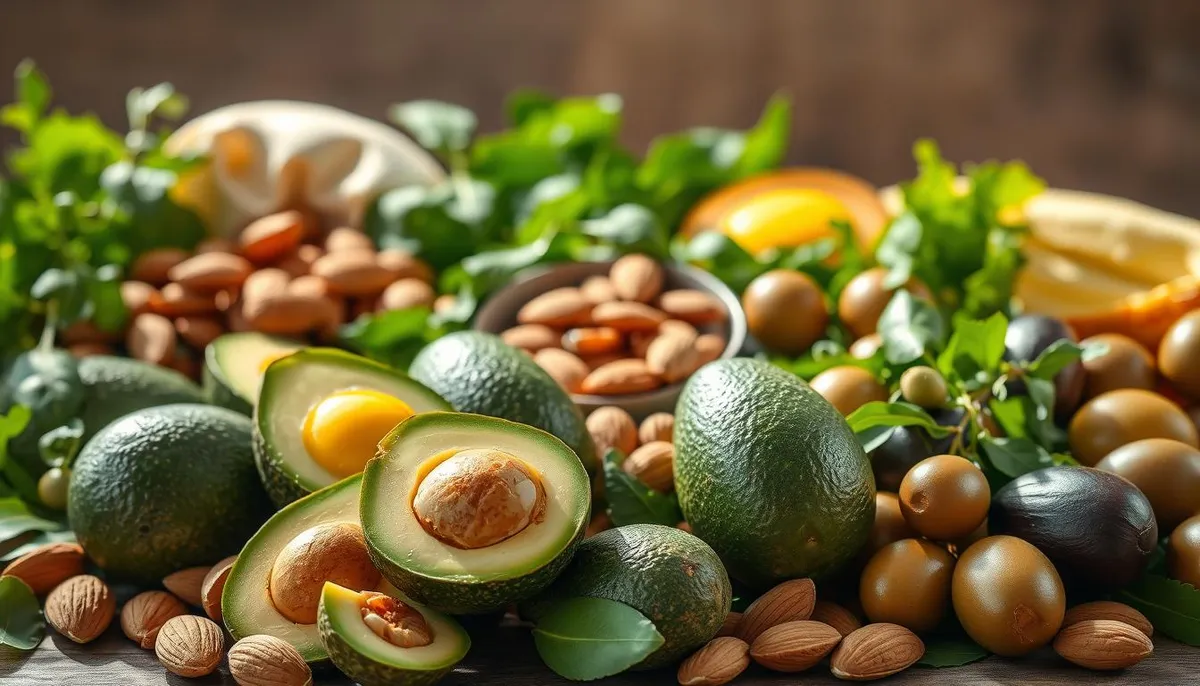
These powerful antioxidants safeguard cells from oxidative stress. They support numerous vital functions throughout your entire being. Understanding the best sources helps optimize intake for maximum benefits.
Most adults need approximately 15 milligrams daily. This target is easily achievable through a well-planned eating pattern. The right choices can transform your approach to nutrition and longevity.
Discover practical strategies for incorporating these protective compounds into meals. Learn how they contribute to disease prevention and overall vitality.
Key Takeaways
- This essential nutrient acts as a powerful antioxidant protecting cells
- Adults typically need about 15 milligrams daily for optimal function
- Deficiency is rare due to widespread availability in common ingredients
- Many nuts, oils, and vegetables provide excellent natural sources
- Proper intake supports cellular health and overall wellness
- A balanced eating pattern easily meets daily requirements
- Understanding sources helps maximize health benefits effectively
Understanding Vitamin E: Benefits for Longevity and Health
To grasp how this essential compound supports a long, healthy life, we must first understand its fundamental role as an antioxidant. Alpha-tocopherol is the specific form our body uses to perform this critical task.
Role of Alpha-Tocopherol and Antioxidant Protection
Alpha-tocopherol acts as a powerful cellular guardian. It neutralizes harmful free radicals—unstable molecules that damage cells over time. This protective action helps slow processes linked to aging and chronic conditions.
This defense extends to your heart and immune system. It helps prevent blood clots in arteries and bolsters your body’s natural defenses. A robust immune response is key to maintaining vitality as you age.
Daily Vitamin E Requirements for Adults and Special Populations
Most adults need about 15 milligrams of this nutrient each day. This amount supports optimal function and long-term wellness. Meeting this goal is straightforward with a balanced diet.
Lactating women have a slightly higher requirement of 19 milligrams daily. This supports both their health and their baby’s developing nervous system. Proper intake during these stages is crucial for a child’s future well-being.
While deficiency is uncommon, its effects are serious. Symptoms can include muscle weakness, vision issues, and coordination problems. Ensuring adequate intake is a simple step toward safeguarding your health for years to come.
Top e vitamin food Sources: From Nuts, Seeds, and Oils
Nature provides an impressive array of ingredients packed with this essential antioxidant. Knowing the richest sources helps you build meals that support long-term wellness effortlessly.
Highlighting Wheat Germ Oil and Other Rich Cooking Oils
Wheat germ oil stands as the undisputed champion among natural sources. A single tablespoon delivers 20 milligrams—surpassing your entire daily requirement by 135%.
Other cooking oils offer concentrated benefits too. Hazelnut, sunflower, almond, and safflower oils provide between 4.6 and 6.4 milligrams per tablespoon. These make excellent bases for dressings and light cooking.
An Overview of Vitamin E-Rich Nuts, Seeds, and Animal Products
Sunflower seeds lead the nut and seed category with 7.4 milligrams per ounce. Almonds follow closely at 6.8 milligrams, while hazelnuts offer 4.3 milligrams.
Animal-based options provide substantial amounts for omnivores. Abalone, goose meat, salmon, and trout deliver meaningful concentrations while adding other valuable nutrients.
Pine nuts and peanuts round out the selection with versatile options for both sweet and savory dishes. This variety ensures everyone can find suitable sources regardless of dietary preferences.
Incorporating these items helps you easily exceed minimum requirements, creating a protective buffer for optimal health.
Exploring Cooking Oils Rich in Vitamin E
Your kitchen cabinet holds powerful tools for boosting your daily antioxidant intake. Selecting the right cooking oils makes a significant difference in your nutritional profile.
Benefits of Wheat Germ, Sunflower, and Safflower Oils
Wheat germ oil is a standout champion. Just one tablespoon provides over 135% of your daily requirement. This makes it an incredibly efficient choice.
Sunflower and safflower oils are excellent, widely available alternatives. They offer a more neutral flavor perfect for many dishes. Their vitamin content remains substantial.
| Oil Type | Milligrams (mg) | % Daily Value (DV) |
|---|---|---|
| Wheat Germ Oil | 20.3 mg | 135% |
| Sunflower Oil | 5.6 mg | 37% |
| Safflower Oil | 4.6 mg | 31% |
| Almond Oil | 5.3 mg | 36% |
| Hazelnut Oil | 6.4 mg | 43% |
Cooking Tips to Maximize Vitamin E Retention
Heat is the enemy of this nutrient’s potency. High temperatures can destroy the valuable benefits in these oils.
For maximum retention, use them in salad dressings or drizzle over finished dishes. Low-to-medium heat cooking is also a safe bet. Avoid high-heat frying.
Store your oils in a cool, dark place. This prevents oxidation and keeps the vitamin content high for longer. Rotating different types ensures diverse nutrient intake.
Incorporating Vitamin E into a Balanced Diet
Creating a balanced diet rich in protective antioxidants is simpler than you might think. With a little planning, you can easily meet your daily needs through delicious and varied meals.
Meal Planning with Foods High in Vitamin E
Start your day strong. Add almonds or sunflower seeds to your morning oatmeal or yogurt. A smoothie with avocado and mango is another fantastic option for a nutrient-packed breakfast.
For lunch and dinner, focus on colorful vegetables. Toss red sweet peppers into salads. Sauté turnip greens or roast butternut squash as a tasty side dish.
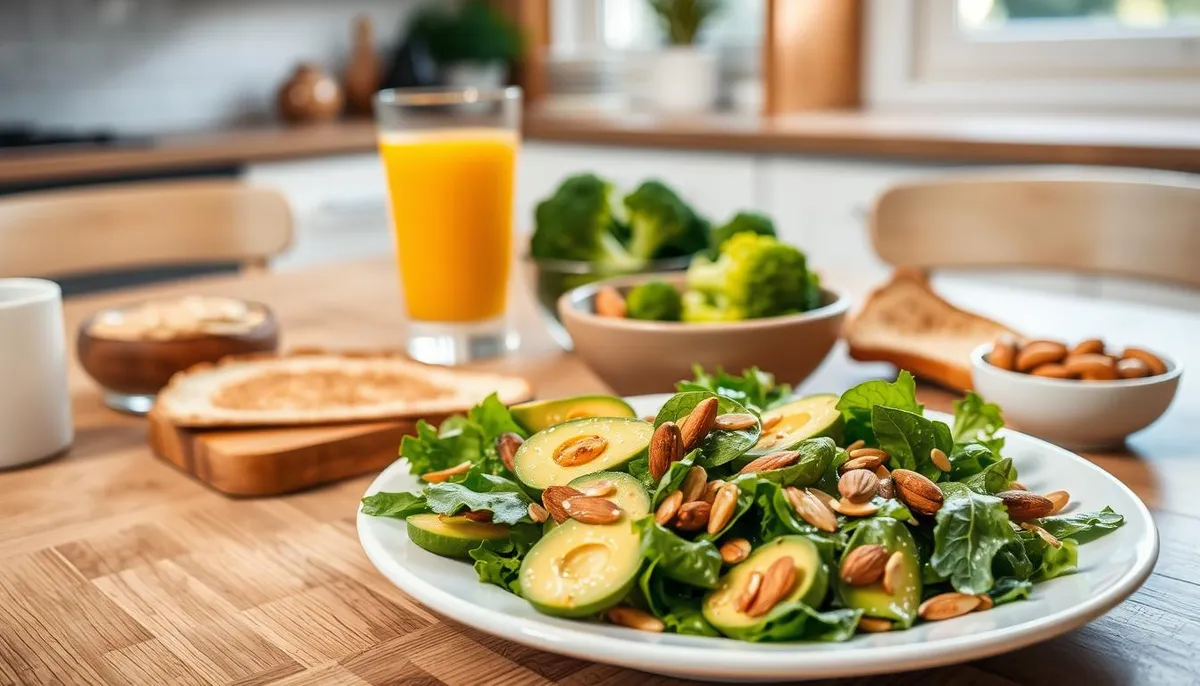
Remember, this nutrient needs fat for your body to absorb it well. Drizzle sunflower oil on your salad or enjoy nuts with your fruit. This simple step makes a big difference.
Smart snack combinations keep your intake consistent. Try apple slices with almond butter or kiwi with a handful of hazelnuts.
Weekly meal prep makes everything effortless. Make a large batch of butternut squash soup or prepare a homemade trail mix. These strategies ensure you consistently support your cellular health and overall wellness.
Health Benefits Beyond Skin and Vision
When we think about living longer and better, the conversation often turns to protecting our body’s core systems. This essential nutrient delivers impressive health benefits that extend far beyond surface-level advantages.
Boosting Immune Function and Heart Health
Your immune system gets stronger support from this powerful antioxidant. As we age, this protection becomes increasingly valuable for fighting infections.
Cardiovascular benefits are equally impressive. Multiple studies show reduced risk of heart disease among people maintaining adequate levels.
| Health Area | Study Participants | Risk Reduction |
|---|---|---|
| Cardiovascular Death | 40,000 women (10 years) | 24% lower risk |
| Heart Disease | Various observational studies | 20-40% lower risk |
| ALS Mortality | Large prospective study | Lower risk observed |
Supporting Cognitive Health and Aging Well
Brain protection represents another crucial advantage. This nutrient’s antioxidants combat damage linked to cognitive decline.
Research suggests potential slowing of Alzheimer disease progression. Maintaining proper levels supports long-term brain function.
These diverse protections contribute directly to longevity goals. They help maintain vitality and independence throughout life.
Emerging Research and Updated Studies on Vitamin E
Scientific understanding of nutritional approaches to longevity continues to evolve with new research. Recent findings help clarify the most effective ways to incorporate this essential nutrient into your wellness strategy.

Latest Findings on Vitamin E Dosage and Its Impact
A major 2022 review found that high-dose supplements showed no conclusive benefit for preventing cardiovascular disease. This important distinction highlights why getting your nutrients from whole sources remains the smarter approach.
Research consistently shows no toxic effects from natural dietary intake. Very high supplement doses over 1000 mg daily may increase bleeding risk, especially for people on blood-thinning medications.
| Source Type | Typical Dosage | Research Findings |
|---|---|---|
| High-Dose Supplements | 400-1000 IU daily | No conclusive prevention benefits |
| Whole Food Sources | 15 mg (22 IU) daily | Consistent health benefits observed |
| Upper Safety Limit | 1000 mg daily | Established for adult supplementation |
Emerging studies suggest benefits may vary by individual. One trial showed remarkable heart disease reduction in diabetic people with specific genetic profiles.
While deficiency is rare, certain medical conditions may require monitoring. The current scientific consensus strongly supports a food-first approach for most people seeking longevity benefits.
Conclusion
The journey toward optimal health and longevity is paved with the nourishing ingredients we choose each day. This essential vitamin serves as a powerful ally in this pursuit, readily available through delicious whole foods.
Meeting your daily needs is both simple and enjoyable. Adding almonds to breakfast or drizzling salads with nutrient-rich oils makes a significant difference. These small changes support your body‘s natural defenses.
A food-first approach ensures you receive the full spectrum of benefits. Whole sources provide synergistic effects that supplements cannot match. This strategy supports comprehensive wellness.
For those seeking to deepen their longevity journey, https://longevity-supplement.com offers cutting-edge insights and premium resources. Start your personalized path toward maximizing life potential today.
FAQ
What are the most common symptoms of a deficiency?
A lack of this nutrient can lead to noticeable issues like muscle weakness, vision problems, and a decline in immune function. Over time, severe deficiency can cause nerve damage. Eating a variety of nuts, seeds, and green leafy vegetables can help prevent these conditions.
Can I get enough from my diet, or do I need a supplement?
Most healthy adults can meet their daily needs through a balanced diet rich in sources like sunflower seeds, almonds, and spinach. Supplements are generally not recommended unless advised by a doctor for specific health risks, as high intake from pills can sometimes be harmful.
How does it support heart health?
This antioxidant helps protect your cells from damage, which is a key factor in heart disease. Research suggests that diets high in antioxidants from foods like nuts and certain cooking oils may support cardiovascular wellness by reducing oxidative stress.
Is wheat germ oil the best source?
Wheat germ oil is indeed one of the most concentrated sources available. Just one tablespoon provides a significant amount of your daily requirement. Other excellent options include sunflower oil and hazelnuts, offering variety for your meal planning.
Does cooking destroy this nutrient in foods?
Exposure to high heat and air can reduce the content in some items. To maximize retention, use gentle cooking methods like steaming vegetables or using oils like olive or avocado oil in low-heat sautéing instead of deep-frying.
What is the connection between this nutrient and Alzheimer’s disease?
A> Some studies have explored the role of antioxidants in supporting cognitive health and potentially slowing cognitive decline. However, current research indicates that while a diet rich in these nutrients is beneficial for overall brain health, high-dose supplements have not been proven to prevent conditions like Alzheimer’s disease.
Are there any risks associated with taking too much?
Yes, consuming very high amounts, primarily from supplements, can increase the risk of bleeding and interact with certain medications. It’s always safest to focus on getting your intake from whole foods like fruits and vegetables to avoid potential adverse effects.