
What if one simple nutritional choice could help you live a longer, healthier life? Getting the right amount of this essential nutrient is a powerful strategy for supporting your body’s natural defenses against aging.

This fat-soluble nutrient is stored in your liver, making consistent intake important for lifelong wellness. Your body relies on it for critical functions that keep you thriving year after year.
Proper levels support sharp vision, a strong immune system, and healthy growth patterns. These benefits work together to help you maintain vitality throughout your lifetime.
Most people can meet their needs through everyday foods rather than complicated supplements. We’ll show you how to incorporate these nourishing options into your meals.
Discover both animal and plant-based sources that make getting enough of this nutrient easy and delicious. You’ll learn practical tips for meal planning and maximizing absorption.
Key Takeaways
- This essential nutrient plays a vital role in supporting longevity and overall wellness
- It’s fat-soluble, meaning your body stores it for future use
- Proper intake supports vision, immune function, and healthy development
- Most people can meet their needs through food rather than supplements
- Both animal and plant sources provide this important compound
- Simple dietary adjustments can significantly impact your healthspan
- Understanding your personal needs helps optimize your nutritional strategy
The Role of Vitamin A in Health and Longevity
Your body’s ability to fight illness and maintain sharp vision relies heavily on a specific nutrient stored in your liver. This powerful compound supports multiple systems that contribute to a longer, healthier life.
Supporting Vision and Immune Function
This essential nutrient plays a critical role in helping your eyes adjust to dim lighting. Proper levels ensure you maintain quality vision as you age.
Your immune system also depends on this compound. It stimulates white blood cell production, creating a strong defense against infections that can compromise longevity.
Benefits for Growth and Reproductive Health
The nutrient regulates cell growth and division throughout your body. This supports healthy bone remodeling and maintains your internal lining cells.
These processes are especially important for reproductive health and overall development. They help your body maintain optimal function at every life stage.
Preventing Vitamin A Deficiency
Insufficient intake can lead to serious health issues. Symptoms include night blindness, dry eyes, and increased infection susceptibility.
Since this is a fat-soluble compound stored in your liver, chronic deficiency depletes your reserves. Maintaining consistent intake through proper nutrition prevents these complications.
Research shows higher levels of certain forms correlate with improved memory and learning. This makes adequate consumption valuable for cognitive health throughout your lifespan.
Essential Guide to a Vitamin A Diet
Your food provides this essential compound in two primary forms, each with unique benefits. Knowing the difference empowers you to make smarter choices for your long-term wellness.
Understanding Preformed Vitamin A and Carotenoids
Preformed vitamin is ready for your body to use immediately. You find it in animal products like liver, fish, and dairy.
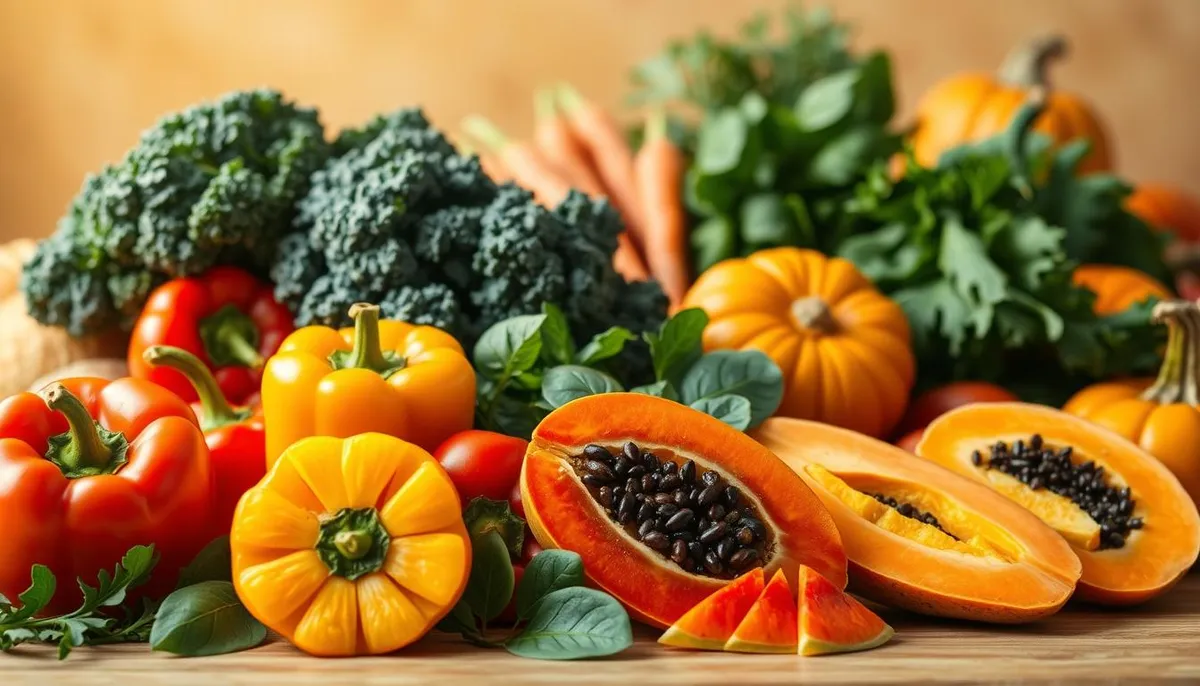
Provitamin A carotenoids come from colorful plants. Your system converts these pigments into the active form.
| Form | Primary Sources | Body’s Use | Key Examples |
|---|---|---|---|
| Preformed Vitamin A | Animal products (liver, eggs, milk) | Directly used by the body | Retinol, Retinyl Esters |
| Provitamin A Carotenoids | Plant foods (carrots, spinach, mango) | Converted to active form | Beta-Carotene, Alpha-Carotene |
Other carotenoids like lycopene and lutein offer strong antioxidant support. They contribute to overall health but don’t convert into this essential nutrient.
About 45% of people have a genetic trait that slows this conversion. This makes including both dietary sources vital for everyone.
How Vitamin A Contributes to Overall Wellness
Tracking your intake is straightforward. Nutrition labels use a Daily Value of 900 mcg as a helpful guide.
A balanced approach combining animal and plant sources ensures your body gets what it needs. This strategy supports robust immune function and healthy vision for years to come.
Understanding these sources lets you build a personalized nutritional plan. You can confidently support your unique body and long-term health goals.
Top Animal Sources for Vitamin A
When it comes to getting ready-to-use retinol directly from your meals, animal sources lead the way. These foods provide preformed retinol that your body can utilize immediately without conversion.
Highlighting Liver, Fish, and Dairy Products
Organ meats stand out as powerhouse sources of this essential nutrient. Beef liver delivers an incredible 860% of your daily value in just 3.5 ounces.
Lamb liver and liver sausage offer even higher concentrations at 864% and 923% DV respectively. These represent some of the most concentrated foods high in retinol available.
Seafood lovers have excellent options too. Bluefin tuna provides 84% of your daily value per serving. Other fish like king mackerel (28% DV) and trout (11% DV) offer tasty alternatives.
Cod liver oil deserves special mention as a potent source. Just one tablespoon delivers 453% of your daily value, though it should be used mindfully due to its high concentration.
Key Nutritional Facts and Daily Values
Dairy products make retinol intake accessible for daily life. Various cheeses provide 8-11% DV per ounce, while butter offers 11% DV per tablespoon.
Whole milk contributes 9% DV per cup, and eggs deliver 8% DV each. These everyday items help you meet your 900 mcg target consistently.
Shellfish like clams and oysters each provide 11% DV per serving. This expands your options for incorporating retinol-rich foods into varied meal plans.
These animal sources are particularly valuable since they bypass conversion needs. This makes them ideal for people with genetic limitations in processing plant-based carotenoids.
Best Plant-Based Sources: Fruits and Vegetables High in Vitamin A
The plant kingdom offers a spectacular array of colorful foods packed with carotenoids. Your body converts these compounds into the active form, supporting your long-term wellness goals deliciously.
Vegetable Options Like Carrots, Spinach, and Squash
Vegetables are true powerhouses for this essential nutrient. Sweet potatoes lead the pack with an incredible 213% of your daily value in just one baked cup.
Carrots live up to their vision-supporting reputation, providing 142% DV per cooked cup. Butternut squash is another excellent choice at 127% DV.
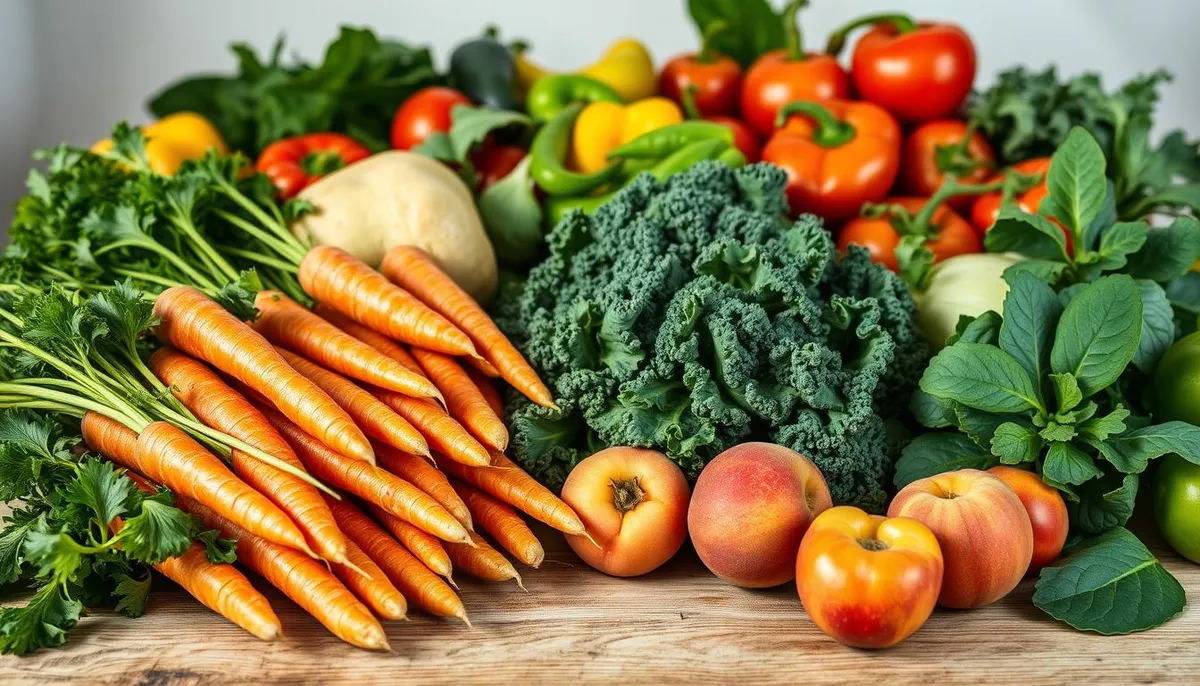
Don’t overlook leafy greens. Spinach delivers 105% DV, while collard greens and Swiss chard offer 80% and 60% DV respectively. These foods provide a fantastic nutritional boost.
| Food Source | Serving Size | Retinol Activity Equivalents (RAE) | % Daily Value |
|---|---|---|---|
| Sweet Potato | 1 cup baked | 1,920 mcg | 213% |
| Carrots | 1 cup cooked | 1,280 mcg | 142% |
| Butternut Squash | 1 cup baked | 1,140 mcg | 127% |
| Spinach | 1 cup cooked | 943 mcg | 105% |
| Cantaloupe | 1 cup | 270 mcg | 30% |
Fruit Selections such as Mango and Cantaloupe
Fruits add sweet variety to your nutritional plan. Cantaloupe is a top choice, offering 30% of your daily value per cup.
Tropical options like mango and papaya provide 10% and 9% DV. Apricots and grapefruit also contribute valuable amounts to your overall intake.
A simple shopping tip: the brighter or deeper the color, the more carotenoids the produce contains. This makes choosing these beneficial foods both easy and visually appealing.
Incorporating Vitamin A into Your Daily Routine
Small, strategic adjustments to your eating routine can dramatically boost how well your body utilizes this key compound. Consistency is more valuable than occasional large doses for supporting your long-term wellness.
Tips for Maximizing Absorption with Healthy Fats
Since this nutrient is fat-soluble, pairing it with healthy fats ensures your system absorbs it effectively. Add a small amount of olive oil to salads or toss roasted vegetables in avocado oil.
Top sweet potatoes with a pat of butter or enjoy carrots with a yogurt-based dip. These simple tricks help you get enough of this essential compound from plant sources.
Innovative Meal Planning Inspired by Longevity Trends
Include at least one rich food with each meal to ensure you’re getting adequate amounts every day. Try spinach salads with salmon or mango smoothie bowls with full-fat yogurt.
Carrot soup with coconut cream makes a delicious, absorption-friendly option. These combinations support your immune system and growth development consistently.
For those seeking comprehensive longevity strategies, platforms like longevity-supplement.com offer cutting-edge health insights inspired by innovative wellness approaches. This helps you build sustainable habits that naturally include these beneficial foods in your routine.
Conclusion
The path to extended healthspan combines daily nutritional choices with cutting-edge wellness strategies for comprehensive benefits. This essential nutrient plays a vital role in supporting vision, immune function, and overall development throughout your life.
Incorporating foods high in vitamin A into your eating plan is both enjoyable and achievable. You have abundant options from animal and plant sources to create a varied, nutrient-rich diet.
While proper nutrition forms your foundation, some individuals benefit from additional support. Longevity-supplement.com offers science-backed approaches inspired by innovators like Blueprint Bryan Johnson.
Take the next step in your wellness journey by signing up for cutting-edge insights and premium supplements. Combine your new dietary knowledge with innovative strategies to embrace a longer, healthier life.
FAQ
What are the best foods high in vitamin A?
Excellent sources include beef liver, which is packed with preformed vitamin A, and dairy products like butter. For plant-based options, focus on fruits and vegetables like carrots, spinach, and sweet potatoes, which are rich in carotenoids that your body converts.
How can I get enough vitamin A every day?
Aim to include a small amount of high vitamin foods in your meals. Adding a serving of leafy greens, a piece of orange fruit like mango, or a bit of cheese or oily fish like bluefin tuna can help you meet your daily value and support your immune system.
What happens if I have a vitamin A deficiency?
A low vitamin level can weaken immune function and impact vision. Ensuring you get enough through your dietary choices is crucial for growth development and reproductive health. If you’re concerned, focus on incorporating more sources like liver, fish oil, and colorful produce.
Is vitamin A stored in the body?
Yes, it’s a fat-soluble vitamin, meaning it’s stored in your liver and fatty tissues for later use. This is why it’s important to have a consistent intake but also to be mindful not to consume extremely high amounts from supplements.
Are you getting enough vitamin A from fruits and vegetables alone?
While fruits and vegetables high in carotenoids are fantastic, the conversion to the active form in the body can vary. Including some preformed vitamin A from animal sources like eggs or dairy products can help ensure you’re getting what you need for optimal health.