
Welcome to your journey toward optimal wellness and extended vitality. Today we explore how a remarkable amino acid can transform your approach to health and aging.
Tyrosine plays a crucial role in nearly every protein structure within your system. While your body naturally produces this compound from phenylalanine, strategic intake through nutrition can significantly impact your well-being.
Understanding how to optimize tyrosine levels through smart dietary choices creates a powerful foundation for defying aging. This approach aligns with cutting-edge wellness strategies that focus on maximizing life potential.
At longevity-supplement.com, we’re inspired by innovative approaches like Blueprint Bryan Johnson’s methodology. Our platform connects you with premium supplements and science-backed insights to support your longevity journey.
Discover practical ways to incorporate tyrosine-rich nutrition into your daily routine. These strategies can enhance cognitive function, mood balance, and stress resilience. Start implementing these changes today for a healthier tomorrow.
Key Takeaways
- Tyrosine is a non-essential amino acid your body produces naturally
- This compound serves as a building block for proteins throughout your system
- Strategic tyrosine intake can support cognitive function and mood regulation
- Combining dietary sources with supplementation creates a powerful health foundation
- Longevity strategies often include optimizing amino acid levels
- Science-backed approaches can help maximize your life potential
- Practical implementation begins with understanding your nutritional options
Understanding the Role of L Tyrosine in Health and Longevity
Understanding tyrosine’s multifaceted roles in the body provides key insights into supporting cognitive function and longevity. This remarkable compound serves as a foundation for many essential biological processes.
The Science Behind L Tyrosine
Tyrosine is classified as a non-essential amino acid because your system can produce it from phenylalanine. This conversion process happens naturally when you consume protein-rich foods.
People with phenylketonuria (PKU) face challenges with this conversion. Their bodies cannot properly transform phenylalanine into tyrosine, creating potential deficiency risks.
Impact on Protein and Neurotransmitter Production
This amino acid serves as a critical building block for proteins throughout your system. Nearly every protein structure contains tyrosine, supporting vital life functions.
Tyrosine plays an essential role in creating important neurotransmitters. It serves as a precursor to dopamine, norepinephrine, and epinephrine.
Dopamine influences feelings of pleasure, reward, and motivation. When dopamine levels drop, people may experience mood changes and concentration difficulties.
These neurotransmitters help regulate stress response and maintain cognitive performance. Optimal function supports brain health and overall quality of life as we age.
Foods High in L Tyrosine
Discovering the most effective dietary sources for this important amino acid opens new possibilities for health optimization. Both animal and plant-based options provide excellent ways to support your body’s needs.
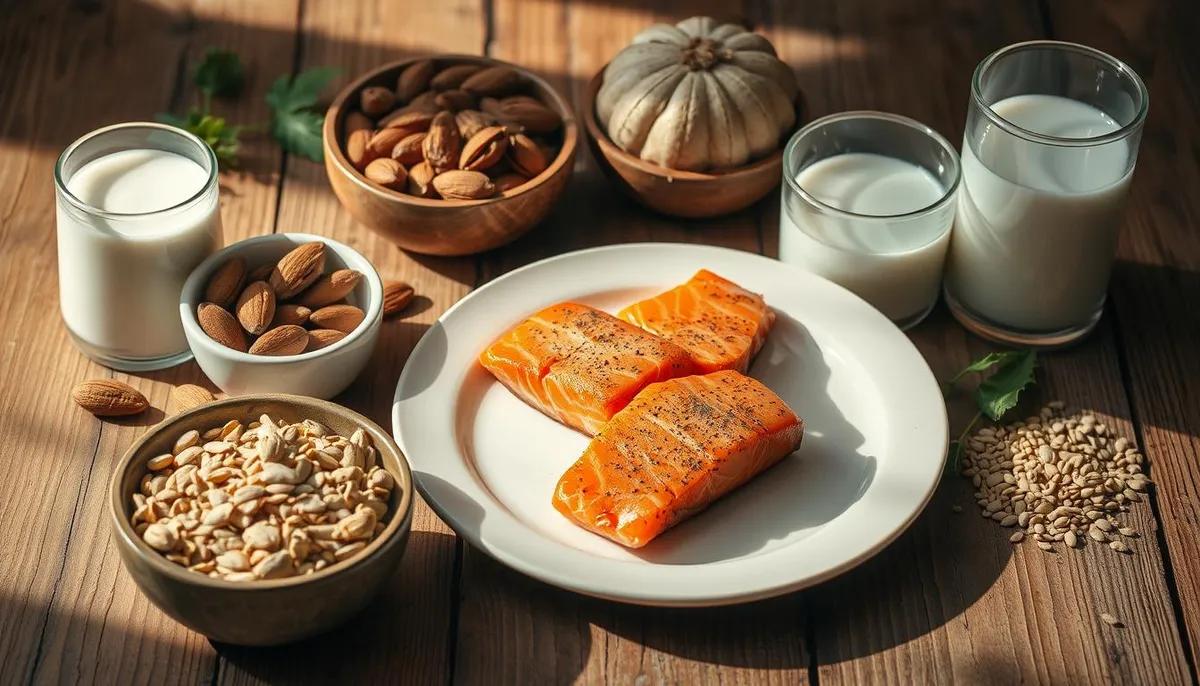
Animal products typically offer concentrated amounts of this compound. Plant selections provide valuable alternatives for different dietary preferences.
Top Animal-Based Sources
Animal proteins deliver substantial tyrosine content. Beef, pork, and poultry like chicken and turkey are excellent choices.
Fish provides healthy protein and this amino acid. Some individuals should monitor mercury intake when consuming certain fish varieties.
Dairy products stand out for their rich tyrosine content. Aged cheese sometimes shows visible tyrosine crystals, which are completely safe to eat.
Essential Plant-Based Options
Vegetarians and vegans can easily meet their tyrosine requirements. Soy products like tofu contain all essential amino acids, including phenylalanine.
Sesame seeds offer particularly rich plant-based tyrosine. They also provide zinc and magnesium for cognitive support.
Nuts and legumes like lima beans contribute valuable amounts. These options combine tyrosine with fiber and other nutrients.
| Source Type | Examples | Tyrosine Content | Additional Benefits |
|---|---|---|---|
| Animal Sources | Beef, poultry, cheese | High concentration | Complete proteins, B vitamins |
| Fish Options | Salmon, tuna, cod | Substantial amounts | Omega-3 fatty acids |
| Plant Sources | Soy, sesame, nuts | Good levels | Fiber, antioxidants |
| Dairy Products | Milk, yogurt, cheese | Exceptionally rich | Calcium, vitamin D |
Nutritional Benefits and Supplement Insights
Scientific research continues to uncover how targeted nutrition can support our brain’s ability to handle daily challenges. The impressive range of health benefits associated with proper amino acid intake extends beyond basic nutrition.
Boosting Memory, Mood, and Stress Response
Studies reveal that tyrosine supplements may help people maintain memory and performance during stressful situations. When stress depletes neurotransmitters, strategic supplementation can support cognitive function.
Research shows this amino acid helps sleep-deprived individuals stay more alert. This makes it valuable for people facing demanding schedules or high-stress environments.
The potential mood benefits are equally promising. Some studies show immediate mood improvements, likely due to tyrosine’s role in dopamine production.
These effects work best when underlying neurotransmitter function is healthy but temporarily depleted. The body responds well to targeted nutritional support during challenging periods.
While research continues, current evidence supports tyrosine’s role in mental sharpness and stress response. Quality products can complement a balanced diet for enhanced cognitive performance.
Blueprint Bryan Johnson’s Approach to Longevity Supplements
The future of proactive health management is being shaped by innovators like Bryan Johnson and his comprehensive longevity protocols. His data-driven methodology represents a holistic system that treats the human body as an interconnected network requiring precise optimization.
Integrative Health Strategies for Aging
Johnson’s philosophy extends far beyond basic supplementation. It integrates nutrition, exercise, sleep optimization, and continuous biomarker monitoring into a unified strategy.
This approach recognizes that no single intervention can achieve longevity goals alone. Success comes from synergistic combinations of lifestyle factors working together.
Cutting-Edge Supplement Innovations
At longevity-supplement.com, we embody this comprehensive philosophy. Our platform offers premium, science-backed products designed to complement a balanced diet and healthy lifestyle choices.
We provide advanced formulations supporting cellular health, cognitive function, and metabolic optimization. These innovations help people take control of their aging process with evidence-based tools.
The platform connects users with comprehensive health insights and educational resources. This empowers informed decision-making about personalized longevity strategies for maximizing life potential.
Maximizing Health: Incorporating Tyrosine-Rich Foods into Your Diet
You don’t need complex calculations to ensure proper tyrosine levels in your diet. Adults require about 14 milligrams per kilogram of body weight daily of combined tyrosine and phenylalanine. These two work together in your system.
The good news? A balanced eating pattern typically meets these needs naturally. Most people get enough through regular protein consumption.
Dietary Tips and Meal Planning Ideas
Start your day with scrambled eggs and cheese or Greek yogurt with sesame seeds. Plant-based eaters can enjoy tofu scrambles for morning nutrition.
Lunch options include turkey sandwiches or grilled chicken salads with pumpkin seeds. Hearty bean soups also provide excellent amino acid support.
Dinner selections might feature beef, pork, or fish as main courses. Vegetarian alternatives include baked tofu with sesame-crusted vegetables.
Variety is crucial for comprehensive nutrient intake. Rotate between different animal and plant sources throughout your week.
Smart snacks can boost your levels between meals. Consider cheese with nuts, roasted chickpeas, or seed mixes with dried fruit.
Vegetarians and vegans should focus on quality protein choices. Tofu, tempeh, soy milk, beans, and seed combinations deliver excellent results.
Remember: most people eating balanced diets get sufficient amounts. Extreme changes are usually unnecessary for maintaining healthy levels.
Expert Advice on Tyrosine Supplementation and Safety
The choice to use amino acid supplements involves careful evaluation of your body’s natural regulatory systems. Most individuals maintain proper balance through their regular diet without needing extra support.
Your system has sophisticated mechanisms for managing these compounds. When levels drop, production increases. Excess amounts get broken down efficiently.

Guidelines for Dosage and Consultation
Research shows important age considerations. A 2018 study found supplements harmed cognitive function in adults aged 61-72. This suggests potential overdose effects in older populations.
Most previous research focused on younger people. These results may not apply to wider age groups. Individual needs vary significantly.
Specific populations might benefit from supplementation. People with phenylketonuria (PKU) cannot process phenylalanine properly. They may experience deficiency issues.
Medical approaches to PKU treatment vary. Always consult healthcare professionals before starting any new regimen. Discuss your current diet, stress levels, and thyroid function.
| Population | Supplementation Need | Key Considerations |
|---|---|---|
| General Population | Usually unnecessary | Body regulates levels naturally |
| Older Adults (61-72) | Potentially harmful | Risk of cognitive impairment |
| PKU Patients | Possible benefit | Requires medical supervision |
| Younger Adults | Context-dependent | Research primarily focused here |
Emerging research explores tyrosine kinase inhibitors in cancer treatment. This highlights the compound’s broader medical significance.
Prioritize whole food sources over supplements whenever possible. A varied diet typically provides sufficient amounts for optimal function.
Conclusion
Now is the time to take control of your healthspan by integrating proven strategies into your life. The tyrosine amino acid serves as a vital building block for proteins and crucial neurotransmitters like dopamine, supporting your brain, mood, and stress response.
A balanced diet rich in quality protein sources—from dairy and seeds to various meats and legumes—typically provides all the benefits your body needs. For those seeking an extra edge, strategic support can be valuable.
This is where a holistic approach shines. Longevity-supplement.com embodies the innovative, data-driven philosophy of Blueprint Bryan Johnson. We offer more than premium supplements; we provide a gateway to cutting-edge health insights.
Begin your journey toward a longer, healthier life today. Sign up now to access expert resources and join a community committed to defying aging.
FAQ
What is the main function of the amino acid tyrosine in the body?
Tyrosine is a building block for proteins. Your body uses it to create crucial neurotransmitters like dopamine and norepinephrine. These brain chemicals are vital for mood, focus, and how you handle stress. It also supports thyroid function, which helps regulate your metabolism.
Can I get enough tyrosine from my diet, or do I need a supplement?
Most people can get sufficient amounts from a balanced diet rich in protein. Excellent sources include poultry like turkey and chicken, fish, dairy products such as cheese and milk, and plant-based options like sesame seeds and almonds. Supplementation is typically considered for specific needs, like managing extreme stress, and should be discussed with a healthcare provider.
Are there any risks associated with taking tyrosine supplements?
For most healthy individuals, tyrosine supplementation is safe at recommended doses. However, it can interact with certain medications, like those for thyroid conditions or Parkinson’s disease. People with the genetic condition phenylketonuria (PKU) must monitor their intake carefully. It’s always best to talk to a doctor before starting any new supplement regimen.
How does tyrosine relate to the amino acid phenylalanine?
Your body can actually produce tyrosine from another amino acid called phenylalanine. This is why phenylalanine is considered an essential nutrient—you must get it from food—while tyrosine is conditionally essential. If your diet is low in phenylalanine, getting enough tyrosine directly from food or supplements becomes more important.
What are some simple ways to add more tyrosine-rich foods to my meals?
A> It’s easy! Start your day with scrambled eggs or Greek yogurt. For lunch, add a slice of Swiss cheese to a sandwich or have a chicken breast salad. Snack on a handful of pumpkin seeds or peanuts. For dinner, enjoy a serving of salmon or lean beef. Including a variety of these protein-packed items helps ensure you meet your needs.