What if a simple change in your diet could unlock a longer, healthier life? The choices you make at the dinner plate hold immense power. Focusing on specific nutrients, like niacin, can be a game-changer for your well-being.
Niacin, also called vitamin B3, is a water-soluble micronutrient. Your body cannot produce it on its own, so you must get it from your meals. Since it dissolves in water, any extra is flushed out rather than stored. This makes daily intake essential for maintaining optimal energy and health.
This essential nutrient supports many critical functions. It helps your body convert food into energy, keeps your nervous system running smoothly, and provides antioxidant protection. Together, these roles are fundamental to promoting longevity and vitality.
This guide will explore the science behind niacin. We will identify the best sources, from both animal and plant origins, and explain how your body absorbs them. You will also learn practical ways to include these powerful items in your daily routine.
Key Takeaways
- Niacin is an essential nutrient your body needs daily for energy and overall health.
- It plays a key role in metabolism, nervous system function, and antioxidant defense.
- Your body does not store this water-soluble vitamin, making consistent dietary intake crucial.
- Both animal-based and plant-based sources are available, with differences in how well your body uses them.
- Understanding how to incorporate these foods can be a practical step toward supporting your long-term wellness.
Exploring the Power of Vitamin B3 and Longevity
The connection between this vital compound and extended healthspan lies in its role as a cofactor for hundreds of enzymatic reactions. Niacin serves as the building block for essential molecules that power your cellular machinery.
The Role of Niacin in Metabolism
This nutrient transforms into two powerful coenzymes: NAD and NADP. These molecules act as cellular batteries, converting proteins, fats, and carbohydrates into usable energy.
Every cell in your body relies on ATP for fuel. NAD and NADP make this energy production possible through complex metabolic pathways.
| Coenzyme | Primary Function | Metabolic Impact |
|---|---|---|
| NAD | Energy production from nutrients | Converts food to cellular fuel |
| NADP | Antioxidant protection | Neutralizes free radicals |
| Both | Cellular repair processes | Supports DNA maintenance |
Key Health Benefits and Antioxidative Action
Niacin supports cardiovascular wellness by improving cholesterol profiles. It helps maintain healthy lipid levels throughout the body.
The antioxidative properties protect against cellular damage. This action reduces inflammation and supports nervous system function.
Optimal levels of this nutrient contribute to cellular repair mechanisms. These processes are fundamental for maintaining vitality as we age.
The Essential Role of Niacin in Your Diet
Your body has specific daily needs for this essential nutrient that support everything from energy production to DNA repair. Meeting these targets ensures your systems function optimally.
Daily Requirements and Deficiency Risks
The recommended daily intake differs for men and women. Men need 16 mg daily, while women require 14 mg. Pregnant women need 18 mg, and breastfeeding mothers need 17 mg.
This nutrient is water-soluble. Your body doesn’t store it. Excess amounts exit through urine. This makes daily intake essential.
Deficiency symptoms start subtly. You might experience fatigue or digestive discomfort. Without correction, these can progress to skin issues, depression, and memory problems.
Severe deficiency leads to pellagra. This rare condition causes dermatitis, diarrhea, and dementia. While uncommon today, it shows how vital this nutrient is.
How Vitamin B3 Supports Your Body Functions
This essential nutrient works on multiple fronts simultaneously. It supports DNA repair and hormone production. It also maintains healthy skin and digestive function.
Certain groups face higher deficiency risks. These include people with alcohol dependence or eating disorders. Medical conditions can also increase vulnerability.
The good news? Meeting your daily needs through diet is achievable. The following sections will show you practical ways to ensure adequate intake.
Top Food with Vitamin B3 Options
Discovering the wide array of dietary choices that supply this vital nutrient can transform your approach to meal planning. Both omnivores and vegetarians have excellent options for meeting their daily requirements.
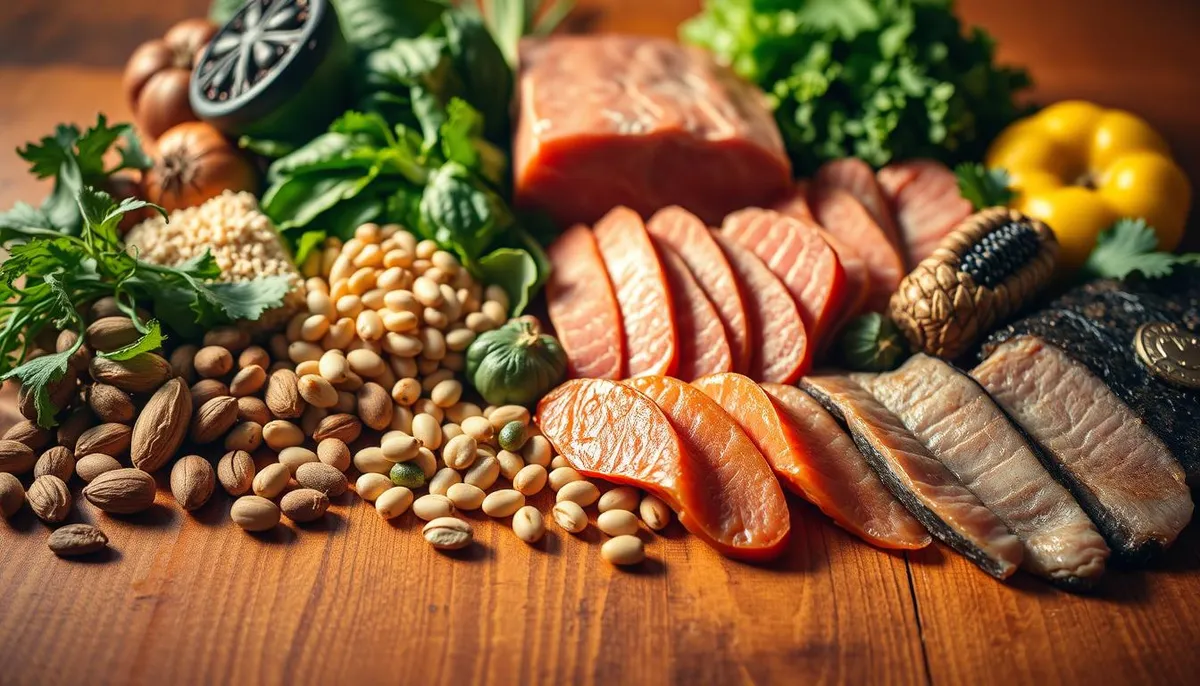
Animal-based sources generally provide higher concentrations of readily absorbable niacin per serving. Meat, fish, and poultry stand out as particularly efficient choices for those seeking to maximize their intake.
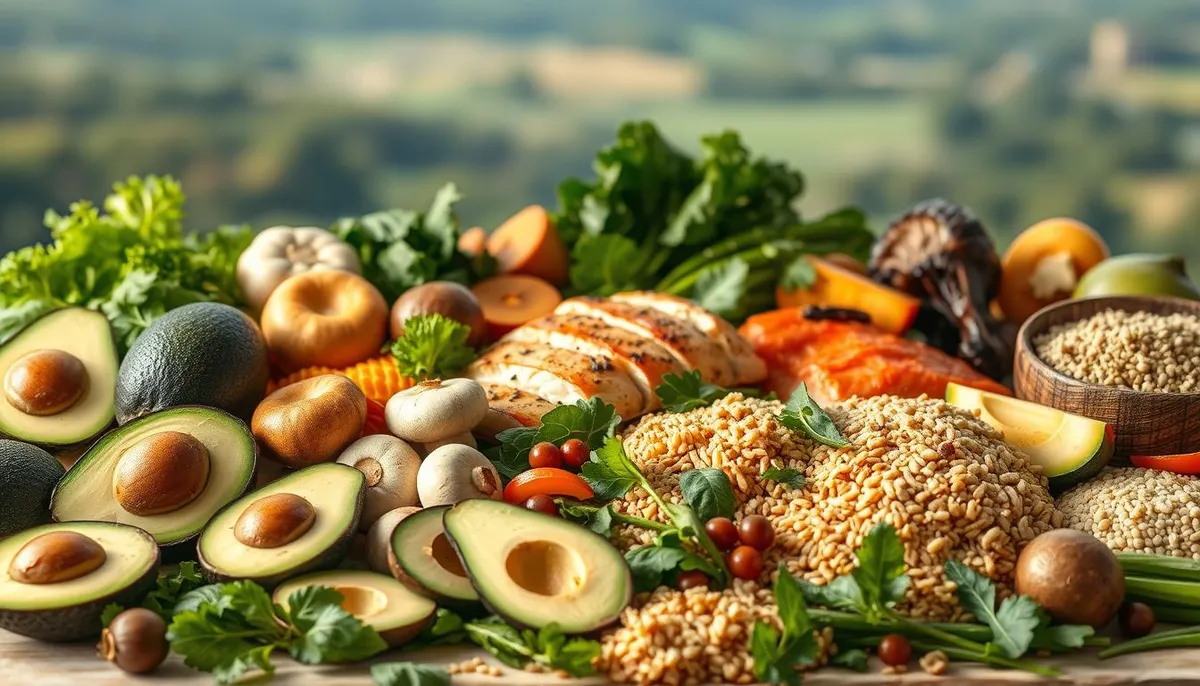
Plant-based sources offer valuable niacin content along with additional nutritional benefits. Items like avocado, peanuts, whole grains, and mushrooms deliver this essential compound plus fiber and antioxidants.
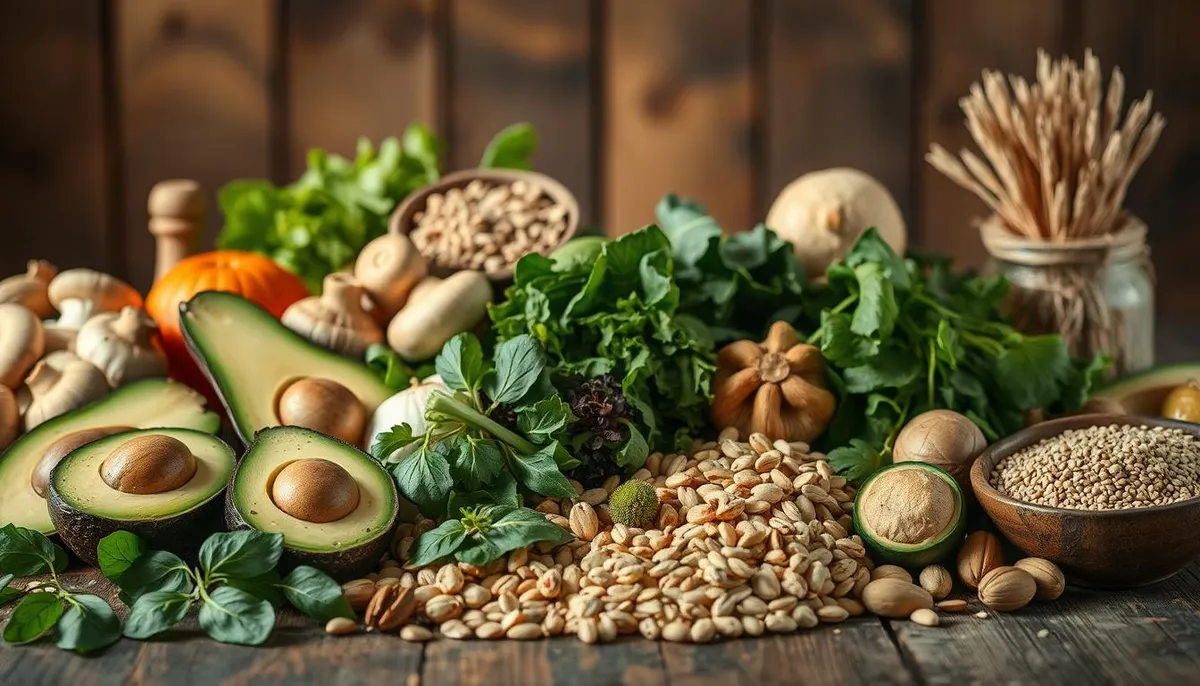
Fortified and enriched grain products have become significant sources in modern diets. Ready-to-eat breakfast cereals provide accessible options for convenient nutrition.
Understanding which foods high in niacin deliver the most per serving allows for strategic meal planning. This knowledge helps you meet daily requirements without excessive calorie intake.
The following sections will examine specific items organized by category. You’ll learn precise serving sizes and niacin content to make informed dietary decisions.
Animal-Based Sources for Optimal Niacin
When aiming to maximize your intake of this essential nutrient, animal sources provide unparalleled efficiency. Your body absorbs the niacin from these sources more effectively than from most plants.
Benefits of Liver and Poultry
Beef liver stands as the supreme natural sources niacin. A single 3-ounce serving delivers about 14.7 mg. This covers over 91% of the RDA for men and exceeds 100% for women.
It also packs a powerful punch of iron and protein.
Chicken liver is also excellent source, offering 9.3 mg per serving. It’s a more accessible and affordable option for many.
For lean muscle support, chicken breast is outstanding. It provides 11.4 mg of niacin per 3-ounce portion. This is significantly more than darker cuts like thighs.
Fish and Red Meat Highlights
Canned light tuna is an exceptional source niacin. One 5.8-ounce can provides a whopping 21.9 mg. This surpasses the entire daily requirement for most adults.
Wild-caught salmon offers about 8.3 mg along with heart-healthy omega-3s.
Turkey breast provides 6.3 mg of direct niacin. It also contains the amino acid tryptophan, which your body can convert into more of this vital nutrient.
Lean red meat, like 95% lean ground beef, provides about 6.2 mg. It’s a good source niacin that also supplies iron and zinc.
Even small fish like anchovies contribute significantly, making them a convenient addition to meals.
Plant-Based Sources and Unique Options
Plant-powered eaters have numerous excellent options for meeting their daily niacin targets. While bioavailability differs from animal sources, combining various plant items creates a powerful nutritional strategy.
Avocados stand out as premium plant sources niacin. One medium avocado delivers 3.5 mg, covering 21-25% of your daily needs. This creamy fruit also provides heart-healthy fats, fiber, and double the potassium of bananas.
Avocado and Whole Grains
Whole grains like brown rice offer substantial niacin content. One cup of cooked brown rice provides 18-21% of your requirement. However, only about 30% of the niacin in grains is readily available due to how it’s bound in the structure.
Whole wheat products retain the nutrient-rich bran layer removed during refinement. A whole-wheat English muffin provides three times more of this essential compound than white flour versions.
Mushrooms shine as exceptional vegetable sources, offering 2.5 mg per cup. Those grown under UV lamps also produce vitamin D, creating a dual-benefit option. Green peas provide 3 mg per cup with high bioavailability.
Peanuts and peanut butter are concentrated sources—just two tablespoons deliver 4.3 mg. Potatoes, especially Russet varieties, offer accessible options with 4.2 mg per large baked potato.
While plant sources contain niacin, their lower bioavailability means eating diverse options throughout the day ensures adequate intake for optimal health.
Understanding Niacin Bioavailability in Foods
Not all niacin-rich items are created equal when it comes to how well your body can use them. The key lies in a concept called bioavailability. This is the proportion of the nutrient your system can actually absorb and utilize.
Nutrition labels show total niacin content, but that’s not the full story. Your body absorbs this nutrient much more efficiently from animal products and most vegetables. These sources offer high absorption rates.
Grains like brown rice and whole wheat present a different challenge. Research shows only about 30% of their niacin is available. The nutrient is chemically bound within the grain’s structure, making it harder to access.
This makes green peas a standout plant source. Despite being vegetarian, they offer highly absorbable niacin that your system can use efficiently.
This knowledge should shape your diet. If you rely heavily on grain sources, you may need to consume more total niacin to meet your needs. Fortified foods, however, use forms with high bioavailability.
For vegetarians and vegans, prioritize high-bioavailability plant foods like green peas, mushrooms, and avocados. Use fortified grains as a supplement. A diverse diet naturally helps balance these differences, empowering you to make the best choices.
Unlocking Longevity with Premium Supplements
For those pursuing advanced longevity, premium supplements offer a powerful tool to optimize nutrient levels. They work alongside a smart diet to fill potential gaps and push your health to its peak potential.
Blueprint Bryan Johnson’s Approach
Blueprint Bryan Johnson’s innovative protocol showcases this strategy. It combines precise dietary optimization with strategic supplementation. The goal is to maximize healthspan through science-backed methods.
This approach views supplements as enhancers, not replacements. They ensure consistent, optimal intake of crucial compounds like niacin.
How Supplements Enhance Dietary Intake
While whole food sources are the foundation, supplements provide a strategic advantage. They are ideal for individuals with specific needs or high goals.
Supplements come in two main forms: nicotinic acid and niacinamide. Both effectively raise your body’s niacin levels. Nicotinic acid may cause a harmless, temporary facial flush.
Niacinamide avoids this side effect. Prescription-strength versions exist for therapeutic use, but require medical supervision.
Platforms like longevity-supplement.com connect you to these premium vitamins and cutting-edge insights. They help you build a regimen that supports a longer, healthier life.
Practical Tips for Incorporating Vitamin B3 into Your Diet
Making niacin-rich eating a natural part of your routine requires just a few smart strategies. These simple approaches help you meet daily needs without complicated meal planning.
Simple Meal Ideas
Start your day with whole wheat toast topped with peanut butter and banana. This combination delivers about 30% of your daily niacin requirement plus sustained energy.
For lunch, try grilled chicken breast over mixed greens with avocado slices. Add a whole grain roll to create a good source niacin meal covering nearly all your daily needs.
Dinner can feature baked salmon with roasted potatoes and sautéed mushrooms. This creates an also excellent source combination that provides complete daily niacin intake.
Vegetarian options work beautifully too. A brown rice bowl with green peas, avocado, and grilled portobello mushrooms strategically combines plant-based niacin sources.
Keep convenient snacks like peanuts or turkey roll-ups on hand for quick boosts between meals. Meal prepping chicken or brown rice at week’s start ensures these nutritious foods are always available.
The same proteins like chicken, fish, and turkey can be prepared dozens of ways. This prevents boredom while maintaining consistent niacin intake through your regular diet.
Strategies for Maximizing Daily Nutrient Intake
Good news—meeting your daily niacin target is simpler than you might think. Most Americans already consume adequate amounts. The real opportunity lies in optimizing your sources for maximum health benefits.
Embrace the diversity principle. Consume this nutrient from animal, plant, and fortified items throughout the day. This ensures you get complementary nutrients like protein and other essential vitamins.
Prioritize high-bioavailability sources. Build meals around anchors like chicken breast or green peas. Use grain-based items as supplements, not primary providers.
Apply the “one serving rule.” Include a significant serving (providing 40%+ of your RDA) in your largest meal. This practically guarantees you’ll meet minimum requirements.
Fortified products offer a convenient advantage. While natural sources niacin provide extra benefits, cereals and enriched grains deliver reliable intake without extra effort.
Since this compound is water-soluble, spread your intake across meals. This maintains more consistent levels than a single large dose.
Simple substitutions make a big difference. Choose brown rice over white, or whole wheat bread instead of refined. Each choice works harder for your nutrition.
| Strategy | Key Action | Primary Benefit |
|---|---|---|
| Diversity Mix | Combine animal, plant, and fortified items daily. | Ensures comprehensive nutrient profile. |
| Bioavailability First | Anchor meals with highly absorbable sources. | Maximizes efficient nutrient uptake. |
| Strategic Fortification | Use fortified cereals and grains for consistency. | Provides convenient, reliable intake. |
Conclusion
The path to maximizing your health potential is clearer when you recognize the critical role that daily nutrient intake plays in longevity. Niacin stands as an essential nutrient your body cannot produce or store, making consistent dietary intake vital for metabolic function and cellular processes.
Meeting the recommended 16 mg for men and 14 mg for women is achievable through diverse sources. Strategic choices from animal products, plant-based options, and fortified foods accommodate any dietary preference while considering bioavailability differences.
Beyond basic requirements, optimizing your intake supports cardiovascular protection and antioxidant defense. Simple strategies like choosing chicken breast or adding avocado to meals make this practical for daily life.
Consider this approach as part of a comprehensive wellness strategy. Platforms like longevity-supplement.com offer premium supplements that complement dietary efforts, following innovative protocols like Blueprint Bryan Johnson’s.
You now possess the knowledge to support your body’s essential functions. Take the next step toward your longest, healthiest life by implementing these strategies today.
FAQ
What are the best natural sources of niacin?
Some of the top sources include chicken breast, beef liver, and tuna. For plant-based options, cooked brown rice and avocados are excellent choices. These foods provide a significant amount of this essential nutrient per serving.
How much niacin do I need daily?
The recommended daily intake varies. For adult men, it’s about 16 milligrams, while women need around 14 milligrams. Getting enough from your diet is crucial for maintaining good health and supporting vital body functions.
Can I get enough niacin from my diet alone?
A> Yes, many people can meet their needs through a balanced diet rich in foods high in niacin, like meat, fish, and whole grains. However, some individuals, following specific protocols like Bryan Johnson’s Blueprint, may use supplements to ensure optimal intake for longevity.
What happens if I don’t get enough of this nutrient?
A deficiency can lead to health issues like fatigue and skin problems. It’s an essential nutrient that helps convert food into energy, so maintaining adequate levels is key for overall well-being.
Are avocados a good source of niacin?
Absolutely! Avocados are a fantastic plant-based source. They not only contain niacin but also provide healthy fats, fiber, and other vital nutrients, making them a great addition to any diet.
Is there a difference between niacin from animal and plant sources?
The bioavailability, or how well your body can use it, can differ. Niacin from animal-based sources like chicken liver is generally very readily absorbed. The tryptophan in protein-rich foods can also be converted into niacin by the body.