
Understanding the complex biological process of autophagy is essential for anyone looking to improve their overall health and longevity. Our cells function like a kitchen that requires regular cleaning. When we neglect to remove damaged parts, we invite various health issues into our lives.
This guide explores how your cells clean house, ensuring that your body maintains optimal function throughout the natural process of aging. By learning how to trigger this internal recycling system, you can potentially protect your body from the accumulation of toxic proteins and debris.
We will examine the latest scientific research to help you grasp how your body maintains its internal environment through this fascinating self-cleaning mechanism. Join us as we delve into the remarkable world of cellular maintenance.
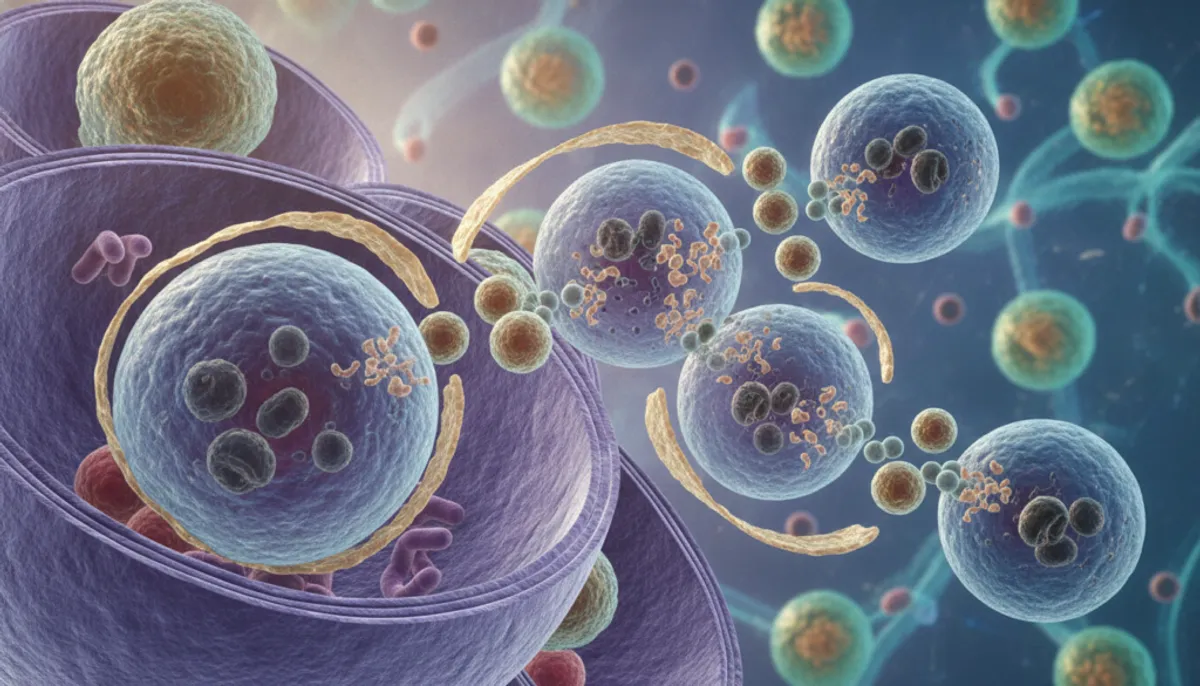
Key Takeaways
- Cells require regular maintenance to function optimally.
- Understanding this process can enhance your health and longevity.
- Neglecting cellular cleaning can lead to health complications.
- Triggering autophagy may help remove harmful proteins.
- Scientific research sheds light on this vital self-cleaning mechanism.
Introduction to Cellular Self-Cleaning and Longevity
Every cell in our body is engaged in a continuous effort to maintain its health and efficiency. This ongoing process, known as cellular recycling, is essential for overall well-being. Dr. Roberta Gottlieb, a leading expert in the field, highlights that cells actively break down and recycle damaged materials. This mechanism keeps the internal environment in good order.
When cells neglect to recycle their damaged components, harmful waste accumulates. This buildup can permanently alter genes, complicating the body’s ability to heal. Thus, maintaining this cleaning process is crucial for extending your health span and potentially slowing aging.
As we age, the systems responsible for cellular recycling diminish in both quantity and effectiveness. Understanding how to support these processes can help maintain youthful and efficient biological systems.
Exploring what is autophagy
The concept of self-eating, or autophagy, plays a crucial role in maintaining cellular health. Derived from Greek, the term combines “auto,” meaning self, and “phagy,” meaning eat. This fascinating process serves as a natural mechanism for the body to cleanse itself.
According to board-certified cardiologist Dr. Luiza Petre, this process acts like a reset button for the body. It promotes survival and helps adapt to various stressors. Here are some key insights:
- This self-eating process is highly beneficial, ensuring that internal systems function efficiently.
- By removing debris and recycling proteins, the body maintains its optimal performance.
- It acts as a natural policing system, identifying and eliminating defective components.
- Understanding this essential function allows us to appreciate how our body combats daily toxins.
Embracing the significance of autophagy can empower individuals to support their health proactively.
The Science Behind Autophagy and Cell Renewal
Cells possess an intricate system that enables them to renew and repair themselves. This mechanism is vital for maintaining cellular health. Dr. Roberta Gottlieb emphasizes that recycling damaged material prevents the buildup of debris that hinders essential repairs.
At the microscopic level, the cell membrane and internal structures depend on this recycling process. When junk accumulates, it becomes impossible for the cell to repair itself or regenerate necessary components. The science of cell renewal involves breaking down damaged parts and repurposing them for energy and repair.
By keeping the internal environment clean, cells can thrive and perform their specific functions effectively. Research highlights that this renewal process is crucial for long-lived cells, such as neurons and cardiomyocytes, ensuring they remain healthy for decades.
Autophagy’s Role in Aging and Disease Prevention
The decline in cellular recycling as we age raises concerns about disease prevention. Registered dietitian Scott Keatley notes that as autophagy decreases, harmful cells can multiply. This phenomenon is particularly relevant to the mechanisms of cancer cells.
Research indicates that this natural process may help prevent or treat cancer by removing defective cells. Here are some significant points regarding the role of autophagy:
- Significant disease prevention: It helps eliminate toxic proteins linked to neurodegenerative diseases like Parkinson’s and Alzheimer’s.
- Age-related decline: With aging, defective cells can proliferate, increasing the risk of cancer.
- Balance is critical: While autophagy supports survival, cancer cells can exploit this mechanism to resist treatment.
- Research in progress: Scientists are exploring ways to induce this process for chronic disease prevention and treatment.
- Policing the body: By eliminating what goes wrong, autophagy lowers the risk of cancer and other age-related conditions.
| Aspect | Impact of Autophagy | Related Diseases |
|---|---|---|
| Cellular Health | Maintains efficient function | Neurodegenerative diseases |
| Age Factor | Decreases with age | Cancer |
| Survival Mechanism | Supports healthy cells | Chronic diseases |
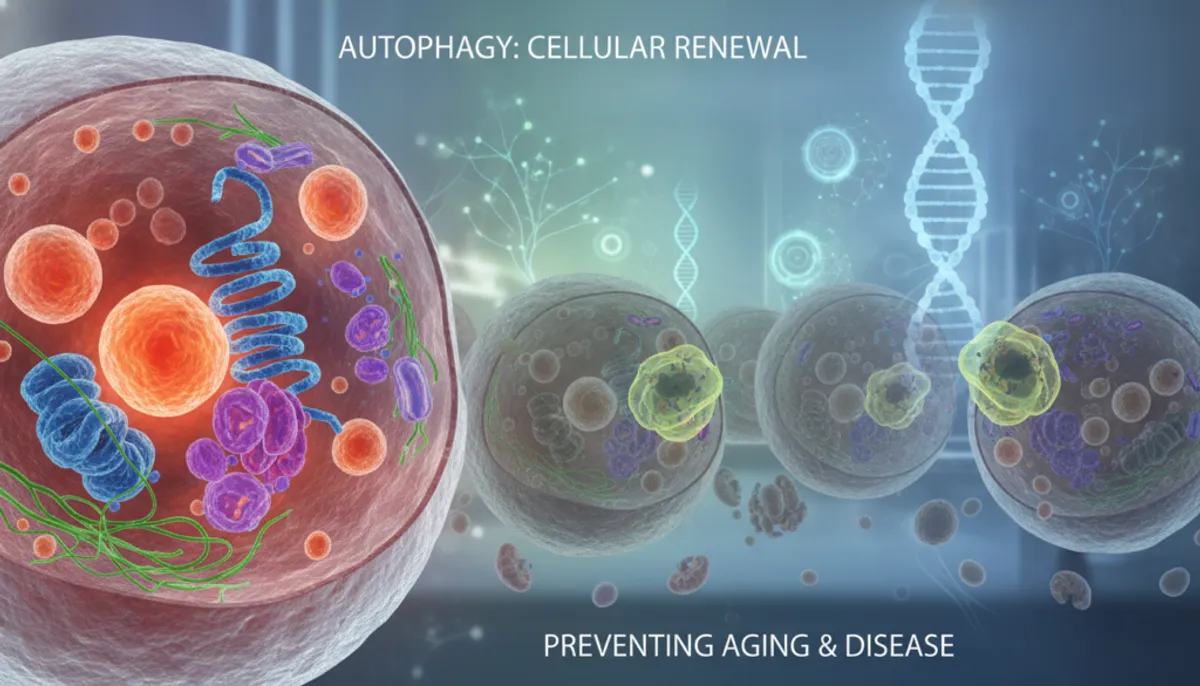
Dietary Approaches to Trigger Autophagy
The right nutritional choices can effectively trigger the self-cleaning mechanisms in our cells. One of the most recognized methods is through intermittent fasting. This technique forces the body into a state of repair, allowing it to recycle damaged components.
According to Dr. Luiza Petre, fasting stands out as the most effective way to initiate this process. It encourages the body to shift its energy use, promoting autophagy. Research shows that going without nutrients for 16 to 24 hours can be beneficial.
Intermittent Fasting Techniques
Intermittent fasting techniques, such as the 16/8 method, have gained popularity for their simplicity and effectiveness. By limiting eating to an 8-hour window, the body can enter a state of autophagy, enhancing cellular health.
Ketogenic Diet Insights
The ketogenic diet also mimics fasting effects by shifting metabolic pathways. This diet, which consists of 75% fat and only 5% to 10% carbohydrates, forces the body to utilize fat for energy instead of glucose. This positive stress can activate the survival mode within cells.
During periods of starvation or nutrient restriction, the body breaks down cellular material to provide essential energy. Always consult with a healthcare professional before starting any new diet, especially if you have underlying health conditions.
The Impact of Exercise on Autophagy Activation
Physical activity plays a vital role in activating the body’s natural cleaning processes. A recent study in 2024 found that exercise can induce autophagy in critical metabolic organs like the liver and pancreas. This means that engaging in regular physical activity can significantly enhance how your cells manage waste.
When you exercise, your body triggers a systemic response that encourages cells to efficiently remove damaged components. This response helps your muscles and other tissues adapt to various stressors, promoting resilience and health over time.
Incorporating movement into your daily routine supports the natural cleaning system that keeps your cells functioning at their peak. The connection between physical exertion and cellular renewal underscores the importance of an active lifestyle for maintaining long-term health and vitality.
Research and Evidence: Autophagy in Focus
Emerging research highlights the crucial role of cellular maintenance in longevity. Studies have shown that the process of autophagy is essential for overall health. For instance, Dr. Roberta Gottlieb supervised a study where 10-month-old mice fasted twice a week for six weeks. These mice demonstrated improved immune systems at 24 months, suggesting a rejuvenating effect.
Additionally, these mice exhibited increased energy and healthier fur, indicating they were biologically younger. This research provides compelling evidence that autophagy can enhance lifespan and health.
Key Scientific Studies and Findings
- Dr. Gottlieb’s study revealed youthful immune responses in fasting mice.
- Current research supports a strong link between autophagy and extended health span.
- Experts like Priya Khorana, PhD, affirm that findings suggest potential lifespan enhancement.
Insights from Leading Experts
Laboratory studies are developing new ways to monitor this cleaning process. These advancements give researchers better tools to understand its impact on human health. The bottom line is clear: inducing this cleaning mechanism can make the body younger in various ways, including improved recovery from heart attacks.
| Study | Findings | Implications |
|---|---|---|
| Gottlieb’s Mouse Study | Improved immune systems | Potential for enhanced health span |
| Current Research | Links to lifespan enhancement | Supports autophagy’s role in health |
| Expert Insights | New monitoring techniques | Better understanding of health impacts |
Therapeutic Potential of Autophagy in Disease Treatment
Exploring the intersection of cellular cleaning and disease treatment opens new avenues for therapy. Researchers are increasingly investigating how this self-cleaning process can help manage various diseases, including cancer and neurodegenerative disorders.
Dr. Susan Cheng is examining the role of this mechanism in Alzheimer’s disease, aiming to uncover potential therapies. Meanwhile, Dr. Roberta Gottlieb collaborates with Dr. Moshe Arditi and Dr. Fayyaz S. Sutterwala to understand how autophagy relates to chronic inflammation.
Additionally, Jennifer Van Eyk, PhD, is leading efforts to identify medications that target specific cellular debris. This targeted approach could improve treatment outcomes for patients suffering from various conditions.
While this process can protect against cancer, it can also aid cancer cells in surviving treatment. Therefore, scientists are carefully studying its therapeutic potential. Future breakthroughs may allow doctors to trigger this mechanism after a heart attack, minimizing long-term damage.
| Researcher | Focus Area | Potential Impact |
|---|---|---|
| Dr. Susan Cheng | Alzheimer’s Disease | Potential therapy exploration |
| Dr. Roberta Gottlieb | Chronic Inflammation | Understanding complex links |
| Jennifer Van Eyk, PhD | Targeting Cellular Junk | Improved treatment outcomes |

Blueprint Bryan Johnson’s Approach to Longevity
Bryan Johnson’s innovative strategies for longevity focus on enhancing biological markers to combat aging. His approach emphasizes optimizing cellular health, allowing individuals to take charge of their well-being.
Inspired by this innovative perspective, many are seeking ways to improve their cell function and overall health. You can visit longevity-supplement.com to access premium supplements and cutting-edge health insights that align with these advanced longevity strategies.
By focusing on principles that drive cellular renewal, you can embark on a journey toward a longer life. This platform serves as your gateway to maximizing life potential, providing essential tools to support your body’s natural cleaning systems.
Sign up now at longevity-supplement.com to join a community dedicated to embracing health strategies that prioritize long-term vitality and cellular efficiency.
Lifestyle Changes to Optimize Autophagy
Implementing strategic lifestyle adjustments is key to boosting your cells’ natural cleaning systems. Priya Khorana, PhD, emphasizes that integrating fasting and regular exercise into your daily routine is the best way to stimulate this process. These practices can enhance cellular health and support overall well-being.
Making simple changes, like extending your nightly fasting period, can help your cells clear away damaged components. This approach does not require extreme dietary restrictions. However, it’s crucial to consult with a healthcare professional if you have chronic conditions like heart disease or diabetes before attempting to induce this process.
Managing daily stress levels and ensuring adequate energy for repair are vital components of a successful wellness plan. By being mindful of your habits, you can create an environment where your cells are consistently supported in their efforts to maintain optimal function.
- Incorporate regular exercise to enhance cellular waste management.
- Practice intermittent fasting to stimulate autophagy effectively.
- Consult a doctor if you have underlying health conditions before making changes.
- Focus on stress management to support your body’s repair processes.
- Maintain a balanced diet to fuel your cells with necessary nutrients.
| Aspect | Recommended Change | Benefit |
|---|---|---|
| Fasting | Extend nightly fasting period | Enhances cellular cleaning |
| Exercise | Incorporate regular physical activity | Boosts waste management |
| Stress | Practice stress management techniques | Supports repair processes |
Addressing Common Misconceptions About Autophagy
Many individuals hold misconceptions about the mechanisms that drive cellular cleaning. A prevalent belief is that specific fad diets are the only way to induce autophagy. However, scientific evidence supporting these claims is often lacking.
The role autophagy plays in the body is complex. It involves the lysosome, a key component responsible for breaking down cellular materials and recycling energy. While fasting and caloric restriction are effective methods, they are not the only ways to trigger this mechanism.
Moreover, these methods may not be suitable for everyone, especially those with certain health conditions. Misconceptions often overlook that autophagy is a natural response to stress and nutrient deprivation within the cell membrane.
To truly understand the function of this system, it’s essential to look beyond the hype. Focusing on the biological pathways that govern cellular health and disease prevention will provide a clearer picture of how to support this vital process.
- Fad diets may not be the only solution for inducing autophagy.
- The lysosome plays a crucial role in recycling cellular components.
- Fasting and caloric restriction are effective but not universally applicable.
- Autophagy is a natural response to stress and nutrient scarcity.
- Understanding biological pathways is key to supporting cellular health.
Conclusion
Maintaining cellular cleanliness is fundamental for a thriving body. This vital process helps recycle damaged components and supports optimal function. By making healthy lifestyle changes, such as incorporating intermittent fasting and regular exercise, you can enhance your body’s natural repair abilities over time.
Research continues to evolve, revealing the potential of this process to prevent chronic diseases and improve overall health. However, always consult with a healthcare professional before making significant changes to your diet or exercise routine, especially if you have underlying health conditions.
Embracing these strategies can help you manage your energy levels and reduce stress on your internal systems, leading to a healthier and longer life.
FAQ
How does autophagy benefit overall health?
Autophagy plays a crucial role in maintaining cellular health by removing damaged components and recycling them for energy. This process supports cellular function and helps prevent diseases.
Can fasting enhance autophagy?
Yes, fasting, especially intermittent fasting, has been shown to induce autophagy. This dietary approach encourages the body to clean out damaged cells and promote regeneration.
What role does exercise play in autophagy?
Exercise can stimulate autophagy, enhancing the body’s ability to repair and renew cells. Regular physical activity is linked to improved cellular health and longevity.
Are there specific diets that promote autophagy?
Diets such as the ketogenic diet and intermittent fasting can trigger autophagy. These approaches encourage the body to enter a state of energy restriction, activating the self-cleaning process.
How does autophagy relate to aging?
Autophagy is essential for combating the effects of aging. By clearing out damaged cells and proteins, it helps maintain cellular function and promotes longevity.
What diseases are linked to autophagy dysfunction?
Dysfunctional autophagy is associated with various diseases, including cancer, neurodegenerative disorders, and chronic conditions. Proper autophagy is vital for disease prevention.
Can medications influence autophagy?
Yes, certain medications and therapies are being researched for their ability to regulate autophagy. These treatments may hold promise for managing diseases and enhancing health.
How can I optimize autophagy in my daily life?
Integrating exercise, adopting a fasting regimen, and following a balanced diet can help optimize autophagy. Simple lifestyle changes can significantly enhance cellular health.