
Welcome to your complete guide on a crucial nutrient that deserves special attention in plant-focused eating plans. This essential compound plays a vital role in supporting cellular function and overall well-being.

While many nutrients are abundant in fruits, vegetables, and grains, this particular one isn’t naturally found in plant-based foods. This creates a unique consideration for people following meat-free lifestyles.
The remarkable thing about this nutrient is how little your body actually needs. Tiny amounts spread throughout the day can supply everything your system requires. Yet its impact on your vitality is profound.
Some people worry they can’t get enough from vegetarian sources, but with proper knowledge, meeting your needs becomes straightforward. This guide will show you practical ways to optimize your intake.
We’ll explore specific food sources, daily requirements, and smart supplementation strategies. You’ll discover how proper management of this nutrient supports not just current wellness but long-term vitality too.
Key Takeaways
- This essential nutrient is crucial for cellular health and energy production
- Plant-based foods don’t naturally contain adequate amounts
- Your body requires only small quantities for optimal function
- Many fortified foods and supplements provide reliable sources
- Proper intake supports neurological health and red blood cell formation
- Simple planning ensures you meet your daily requirements easily
- Optimizing this aspect of your diet contributes to long-term wellness
Understanding Vitamin B12 and Its Health Benefits
The remarkable ways this nutrient supports your body’s fundamental processes make it indispensable for health. This essential compound works behind the scenes to keep your systems running smoothly.
The Role of Vitamin B12 in the Body
This powerhouse acts as a cofactor in metabolic processes that maintain cellular health. Every cell in your system relies on its presence for optimal function.
The compound enables critical reactions that convert food into usable energy. Without adequate levels, your body cannot efficiently produce the vitality you need daily.
Support for Red Blood Cells, Nervous System, and DNA Synthesis
This nutrient is absolutely essential for red blood cell formation and division. It prevents anemia by ensuring oxygen transport throughout your system.
Your nervous system depends on this compound to maintain protective nerve coatings. It also supports neurotransmitter production for clear mental function.
DNA synthesis requires adequate levels of this essential nutrient. Cell replication, growth, and repair throughout your body depend on its availability.
| Body System | B12 Function | Health Benefit | Importance Level |
|---|---|---|---|
| Circulatory System | Red blood cell formation | Prevents anemia | Critical |
| Nervous System | Myelin sheath maintenance | Protects nerve fibers | Essential |
| Cellular System | DNA synthesis support | Enables cell growth | Fundamental |
| Metabolic System | Energy production | Sustains vitality | High |
Proper levels of this compound contribute directly to sustained energy. They help avoid fatigue that might otherwise be misunderstood.
These multiple benefits support cardiovascular wellness and cognitive function as you age. Understanding why monitoring intake matters becomes clear when you see how comprehensively it serves your health.
Primary Sources of Vitamin B12 for Vegetarians
For those following a plant-based diet that includes dairy and eggs, obtaining essential nutrients is more straightforward than you might think. These everyday items provide a reliable and efficient way to meet your body’s needs.
Dairy Products and Eggs as Reliable Sources
Dairy stands out as a fantastic option. A single cup of low-fat milk delivers a significant 1.3 micrograms, covering over half of your daily requirement. It’s a simple addition to cereal, smoothies, or enjoyed on its own.
Yogurt is another excellent choice. An eight-ounce serving of low-fat yogurt provides 1.0 microgram. It also offers probiotics, which are great for digestive health.
Cheese products contribute nicely too. Just one ounce of cheddar cheese contains 0.5 microgram. Adding cheese to sandwiches or salads throughout the day helps build your levels.
Eggs are a versatile and protein-rich source. One large, hard-boiled egg contains 0.5 microgram. They make for an ideal breakfast or snack.
Overview of Vegetarian-friendly Options
Combining these foods makes reaching the recommended daily intake of 2.4 micrograms simple. A day including milk, yogurt, and an egg easily meets and exceeds this goal.
The body absorbs the nutrient from these sources very well. This high bioavailability makes them foundational choices for a healthy diet.
| Food Item | Serving Size | Nutrient Content (mcg) | % Daily Value | Key Benefit |
|---|---|---|---|---|
| Low-Fat Milk | 1 cup | 1.3 | 54% | Highly efficient source |
| Low-Fat Yogurt | 8 ounces | 1.0 | 43% | Includes probiotics |
| Cheddar Cheese | 1 ounce | 0.5 | 19% | Easy to add to meals |
| Hard-Boiled Egg | 1 large | 0.5 | 19% | Rich in protein |
With mindful inclusion of these common items, you can confidently meet your nutritional needs through diet alone.
vitamin b12 for vegetarians: Essential Food Choices
Building a balanced vegetarian diet involves knowing which everyday foods pack the biggest nutritional punch. These common items make reaching your daily goals simple and delicious.
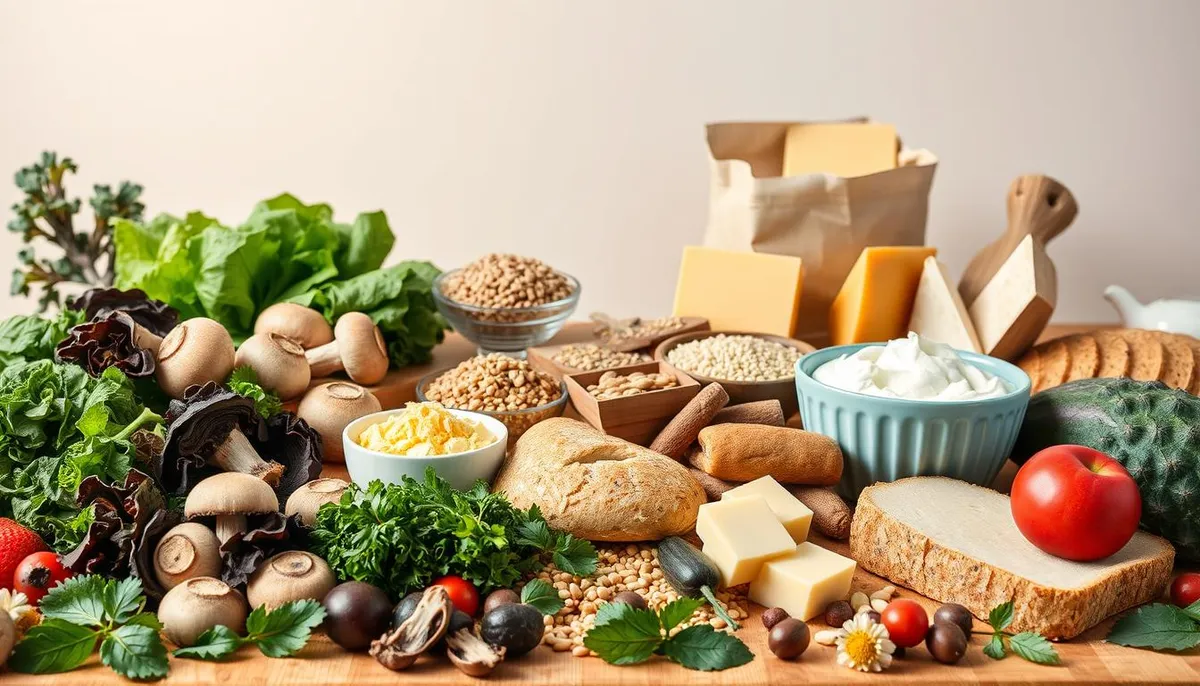
Dairy products are fantastic sources. A single cup of reduced-fat milk provides 1.3 mcg, covering over half your daily needs. It’s an easy addition to meals.
Yogurt is another excellent option. A 6-ounce container of plain, low-fat yogurt delivers 1.0 mcg. Enjoy it for breakfast or as a snack.
Cheese and eggs offer versatility. A 1.5-ounce serving of cheddar cheese contains 0.5 mcg. One large cooked egg also provides 0.5 mcg. They are perfect for lunches and dinners.
Fortified breakfast cereals are a convenient choice. One serving typically offers around 0.6 mcg. Always check the label for exact amounts.
| Food Item | Serving Size | Nutrient Content (mcg) | % Daily Value |
|---|---|---|---|
| Reduced-Fat Milk | 1 cup | 1.3 | 54% |
| Low-Fat Yogurt | 6 ounces | 1.0 | 43% |
| Fortified Cereal | 1 serving | 0.6 | 25% |
| Cheddar Cheese | 1.5 ounces | 0.5 | 19% |
| Cooked Egg | 1 large | 0.5 | 19% |
Combining just two or three of these items daily easily meets your requirements. This strategic approach ensures you get enough of this vital compound.
Practical meal planning is straightforward. Have cereal with milk for breakfast, a cheese sandwich for lunch, and an egg at dinner. This simple routine covers your needs effectively.
Fortified Foods and Nutritional Yeast: Enhancing Your Diet
Food fortification stands as a modern solution to a common nutritional challenge. These specially enhanced items provide a reliable and efficient way to boost your intake of essential compounds.
The body absorbs nutrients from these sources exceptionally well. This high bioavailability makes them a powerful tool for maintaining optimal health.
Benefits of Fortified Cereals and Plant Milks
Starting your day with fortified cereals is a smart move. A single serving can provide a significant portion of your daily needs.
It’s wise to check labels for sugar content. Choosing options low in added sugar maximizes the health benefits of your breakfast.
Plant-based foods fortified with key nutrients, like soy or almond milk, are excellent choices. Their nutrient content varies, so reading labels is essential.
Using Nutritional Yeast for Added Flavor and Nutrients
Nutritional yeast is a unique powerhouse. Just a quarter cup of a fully fortified product can deliver a massive amount of this crucial compound.
It adds a delicious, cheesy flavor to dishes. This makes it a favorite for enhancing vegetarian sauces, soups, and popcorn.
This ingredient offers incredible flexibility in the kitchen. It’s a simple way to add both flavor and a substantial nutritional boost to your meals.
| Fortified Item | Serving Size | Typical Nutrient Content | Key Consideration |
|---|---|---|---|
| Breakfast Cereal | 1 serving | Up to 25% DV | Choose low-sugar options |
| Plant Milk (e.g., Soy) | 1 cup | Varies by brand | Always check the label |
| Nutritional Yeast | 1/4 cup (fortified) | 346% – 1000% DV | Adds savory, cheesy flavor |
Incorporating these fortified foods into your routine is straightforward. They provide convenient and effective support for a well-rounded diet.
Daily B12 Intake: Recommended Amounts and Optimal Absorption
Knowing your precise daily needs for this essential nutrient helps you maintain optimal health effortlessly. The requirements vary significantly across different life stages.
Adults and teenagers need 2.4 micrograms each day. Children have lower requirements that increase as they grow. Special attention is needed during pregnancy and breastfeeding.
Understanding the Daily Requirements
Your body’s needs change throughout life. Younger children require smaller amounts that gradually increase. Pregnancy and nursing demand higher intake for both mother and baby.
| Age Group | Recommended Amount | Key Considerations |
|---|---|---|
| Adults & Teens (14+) | 2.4 mcg per day | Standard daily requirement |
| Children (9-13 years) | 1.8 mcg per day | Growing phase needs |
| Children (4-8 years) | 1.2 mcg per day | Moderate increase from toddler stage |
| Toddlers (1-3 years) | 0.9 mcg per day | Early childhood development |
| Pregnancy | 2.6 mcg per day | Supports fetal development |
| Breastfeeding | 2.8 mcg per day | Meets both maternal and infant needs |
Tips for Maximizing Bioavailability
Absorption efficiency changes with dosage size. Smaller amounts taken frequently yield better results. The body processes small doses more effectively than large single ones.
Spread your intake throughout the day for optimal absorption. Consuming about 1 microgram multiple times works best. This approach maximizes what your body can use.
Consider letting supplements dissolve in your mouth. This method can enhance absorption through oral tissues. It’s a simple trick that improves bioavailability.
Meeting your needs becomes straightforward with this knowledge. Small, frequent doses make maintaining healthy levels achievable for most people.
Signs of B12 Deficiency and Maintaining Healthy Levels
Many people don’t realize they have a nutritional imbalance until symptoms become quite noticeable. Recognizing these warning signs early is crucial for preventing serious health complications.
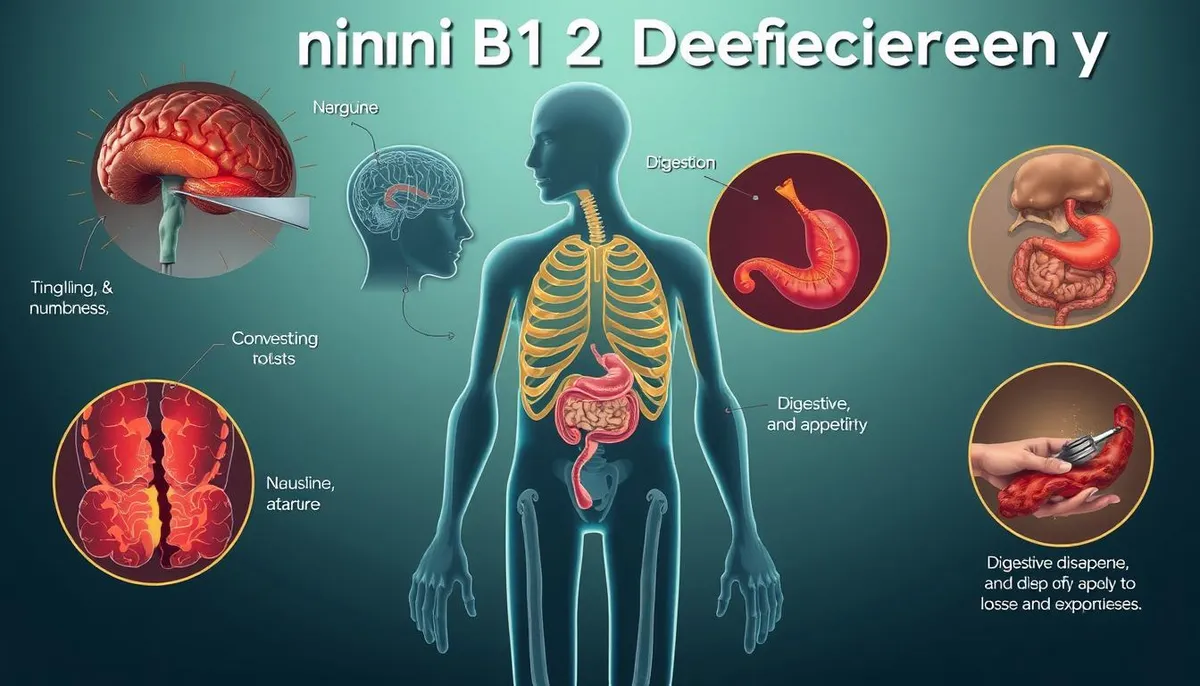
Common Symptoms and Warning Signs
Early deficiency symptoms often develop gradually over months. Persistent fatigue and weakness are among the most common initial signs.
Other early indicators include pale skin, heart palpitations, and digestive issues. Tingling or numbness in hands and feet can also signal low levels.
More severe neurological symptoms may appear with prolonged deficiency. These include difficulty walking, blurred vision, and memory problems.
| Body System Affected | Common Symptoms | Severity Level | Reversibility |
|---|---|---|---|
| Circulatory System | Fatigue, pale skin, palpitations | Moderate | Usually reversible |
| Nervous System | Tingling, numbness, walking difficulty | High | Often reversible |
| Digestive System | Mouth ulcers, sore tongue | Mild to Moderate | Typically reversible |
| Mental Health | Depression, confusion, mood changes | Variable | Usually reversible |
Standard blood tests for this nutrient can be unreliable for some individuals. More accurate testing methods include homocysteine and MMA measurements.
Maintaining adequate levels through proper diet and supplementation effectively prevents these symptoms. Regular monitoring helps ensure optimal health.
Blueprint Bryan Johnson’s Approach to Longevity and B12
Blueprint Bryan Johnson’s data-driven longevity strategy revolutionizes how we approach micronutrient optimization for extended healthspan. His method goes beyond basic nutrition to achieve peak biological function.
Innovative Health Strategies
Modern longevity science recognizes that preventing deficiency is just the starting point. Optimizing nutrient levels contributes significantly to extended vitality.
Pioneers like Johnson champion regular biomarker testing and personalized protocols. These strategies move beyond basic adequacy to achieve optimal function.
This comprehensive approach supports cardiovascular wellness and cognitive performance. It influences cellular repair processes that collectively determine how we age.
How Longevity-Supplement.com Inspires a Longer Life
Longevity-supplement.com connects individuals with scientifically-formulated supplements designed for optimal absorption. The platform offers premium B12 products alongside cutting-edge health insights.
While deficiency symptoms typically take five years or more to develop, subtle effects of suboptimal status may impact long-term wellness much sooner. Consistent intake over decades is crucial.
The platform provides educational resources that empower people to take control of their longevity journey. It serves as your gateway to maximizing life potential through strategic supplements and comprehensive wellness strategies.
Sign up now to access premium B12 supplements tailored for those committed to optimal health. Start your journey toward a longer, healthier life with tools that aim to defy aging.
Practical Tips for Boosting Your B12 Intake on a Vegetarian Diet
Simple meal planning transforms getting enough of this essential nutrient from a chore into a delicious daily routine. With a few clever ideas, you can ensure your body gets what it needs without extra effort.
Meal Planning and Recipe Suggestions
Start your day strong. A breakfast of scrambled eggs with cheese or fortified cereal with milk gives you a great head start. Yogurt parfaits with granola are another tasty option.
For lunch, think about grilled cheese sandwiches or egg salad wraps. You can also add a Greek yogurt dressing to your salad. Soups made with milk and a sprinkle of nutritional yeast are warm and satisfying.
Dinner is a perfect time to pack in nutrients. Try pasta with a cheese sauce enhanced with nutritional yeast. Vegetable curries finished with a dollop of yogurt or hearty omelets are also excellent choices.
Snacking smart is key. Keep hard-boiled eggs, cheese cubes, or yogurt cups on hand. For a fun treat, sprinkle nutritional yeast on air-popped popcorn. It adds a cheesy flavor and a nutritional boost.
This strategic approach to your diet makes meeting your needs simple. Unlike a strict vegan diet, those who include dairy and eggs have more reliable sources readily available.
Conclusion
Achieving longevity through nutrition requires special attention to compounds that aren’t naturally abundant in plant foods. This essential nutrient plays a critical role in supporting your body’s vitality over many years.
Fortunately, multiple reliable options exist to meet your daily needs. Dairy items, eggs, fortified cereals, and nutritional yeast provide excellent sources. Supplements offer another effective approach for maintaining proper levels.
Consistent intake supports cardiovascular wellness and cognitive function as you age. It’s not just about preventing deficiency but optimizing your long-term health potential.
Visit longevity-supplement.com to access premium formulations and comprehensive health insights. Start your journey toward extended vitality today by ensuring your nutritional foundation supports your wellness goals.
FAQ
Why is getting enough of this nutrient so important for people on a plant-based diet?
This essential nutrient is naturally found in significant amounts only in animal products. Since vegetarians and vegans limit or avoid these foods, they need to be proactive about finding reliable sources, like fortified options or supplements, to prevent a deficiency and support long-term health.
What are some common symptoms if my levels are too low?
Early signs can be subtle but may include fatigue, weakness, and pale skin. As a deficiency progresses, it can lead to more serious neurological issues like numbness, tingling in the hands and feet, difficulty walking, and memory problems. It’s important to get your blood levels checked if you’re concerned.
How much do I need to consume per day?
The recommended daily intake for most adults is 2.4 micrograms (mcg). For individuals following a vegan diet, many health experts suggest a slightly higher daily amount or a supplement because absorption from fortified foods can vary.
Can I get what I need from eggs and dairy?
Yes! Lacto-ovo vegetarians can get this nutrient from foods like milk, yogurt, cheese, and eggs. For example, a cup of milk provides about 1.2 mcg, and a large egg contains around 0.6 mcg. Including these products regularly can help meet your needs.
What are the best fortified food options available?
Many everyday foods are now enriched. Great choices include plant-based milks (like almond or soy milk), breakfast cereals, meat alternatives, and even some nutritional yeast products. Always check the label to ensure the product contains added cyanocobalamin or methylcobalamin.
Is a supplement necessary, or can I rely on food sources?
While fortified foods are excellent, a supplement is often the most reliable way to ensure consistent and adequate intake, especially for those on a strict vegan diet. They provide a guaranteed dose and are a simple addition to your daily routine.
What is nutritional yeast, and how can I use it?
Nutritional yeast, often called “nooch,” is a deactivated yeast with a cheesy, savory flavor. Many brands are fortified, making them a fantastic source. You can sprinkle it on popcorn, pasta, salads, or stir it into sauces to easily boost your intake.