
Welcome to a journey toward better health and a longer life. Today, we explore a powerful duo that can transform your wellness from the inside out. Your gut is more than just a digestive system. It’s a central hub for your overall well-being.
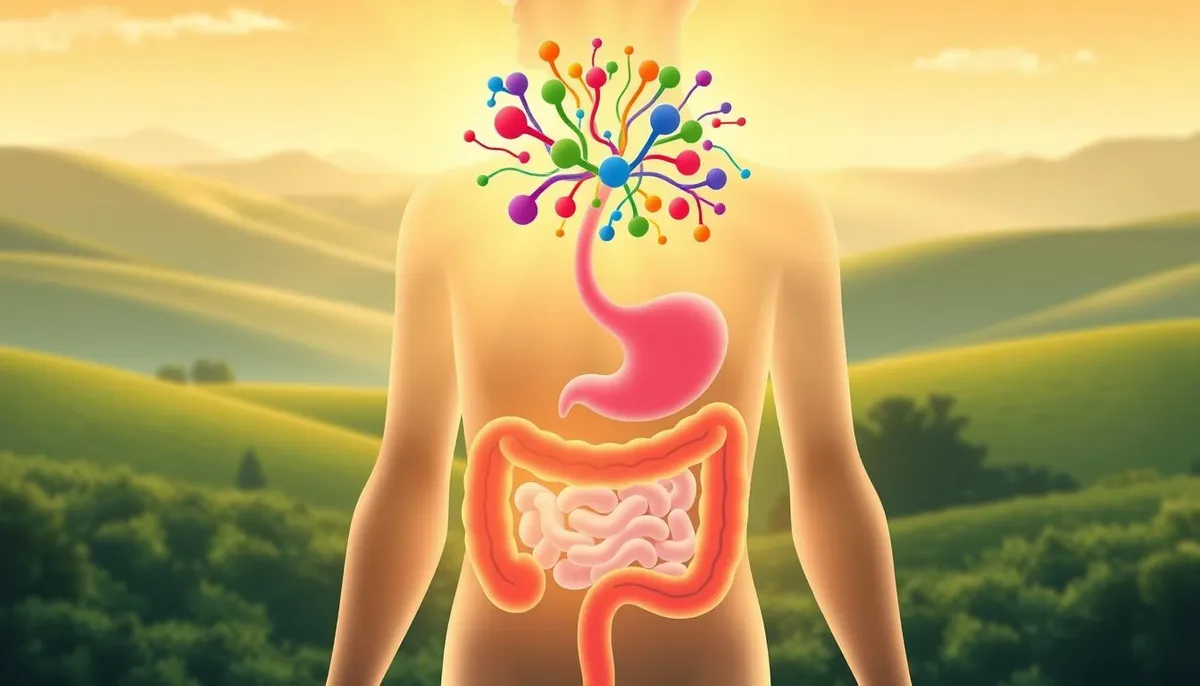
Modern life has changed our relationship with microbes. Sterile environments and food processing have reduced our exposure to beneficial bacteria. This shift may impact our immune system and metabolism. Pioneers in longevity, like Bryan Johnson, highlight the importance of a balanced microbiome for defying aging.
This guide breaks down the science into simple, actionable steps. You will learn the distinct roles of these gut health champions. We will show you natural food sources and when supplements can help. Our goal is to empower you with knowledge for a vibrant, healthier future.
Key Takeaways
- Gut wellness is a cornerstone of overall health and longevity.
- Modern lifestyles may reduce our intake of beneficial microbes.
- A balanced microbiome supports immune function and metabolism.
- Understanding the difference between these two components is crucial.
- Natural food sources are a great starting point for gut health.
- Supplements can be a valuable tool in specific situations.
- Empowering yourself with this knowledge is a step toward a longer, healthier life.
Understanding Prebiotics and Probiotics: Definitions and Key Differences
Let’s get straight to the heart of the matter by defining our two main players. While often mentioned together, prebiotics and probiotics have distinct roles. Knowing this difference is the first step to making smart choices for your gut.
What Are Probiotics?
Probiotics are live microorganisms that offer a health benefit when consumed in adequate amounts. These are the friendly bacteria and yeasts you often hear about.
Not every live culture qualifies. True probiotics are specific strains studied in human trials. Look for a strain designation on labels, like “GG” in Lacticaseibacillus rhamnosus GG.
What Are Prebiotics?
Think of prebiotics as specialized food for your gut’s beneficial bacteria. They are a type of dietary fiber that your body cannot digest.
Instead, these fibers travel to your colon where they feed the good microorganisms. Common prebiotics include inulin and fructo-oligosaccharides found in many plants.
| Feature | Probiotics | Prebiotics |
|---|---|---|
| What they are | Live bacteria and yeasts | Non-digestible fibers |
| Primary Function | Add beneficial microorganisms | Feed existing good bacteria |
| Common Sources | Yogurt, kefir, supplements | Garlic, onions, bananas, asparagus |
They work best as a team. Probiotics introduce the workers, and prebiotics provide the fuel they need to thrive and multiply in your gut environment.
The Role of Prebiotics and Probiotics in Gut Health
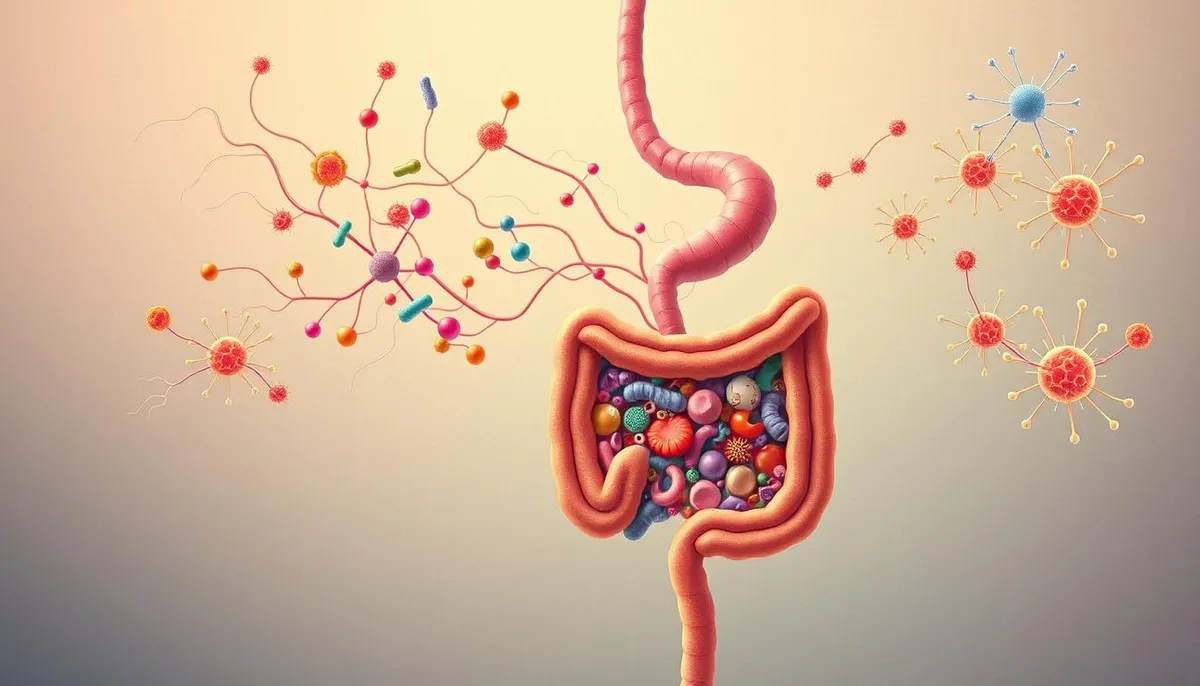
Your gut is home to a bustling city of microorganisms, and keeping this community thriving is key to your well-being. This internal ecosystem, known as the gut microbiome, works tirelessly to maintain your health.
Supporting the Gut Microbiome
Trillions of bacteria live in your digestive system. They form a complex ecosystem. A wide variety of good bacteria is essential for balance.
These beneficial gut bacteria act as frontline defenders. They protect you from harmful pathogens and fungi. They also produce vital compounds like vitamin K and short-chain fatty acids.
These acids, like butyrate, are the main food for the cells lining your colon. This process strengthens the gut barrier. A strong barrier helps prevent inflammation.
Impact on the Immune System
A remarkable 70% of your immune system resides in your gut. Immune cells there constantly interact with your gut flora. This interaction teaches your body to distinguish friend from foe.
A healthy microbiome supports this crucial learning process. It helps regulate metabolism and may influence body weight. Early childhood is a key time for building a resilient gut microbiome.
| Gut Microbiome Function | How It Supports Health | Key Outcome |
|---|---|---|
| Pathogen Defense | Good bacteria crowd out harmful invaders. | Reduced risk of infection. |
| Nutrient Production | Creates vitamins and fuels colon cells. | Improved digestive health. |
| Barrier Strengthening | Promotes a tight intestinal lining. | Lower inflammation levels. |
| Immune Training | Educates the immune system. | More robust immune responses. |
Exploring the Health Benefits of Prebiotics and Probiotics
The advantages of supporting your gut flora extend far beyond simple digestion. Research reveals a wide array of positive health benefits.
These range from improved metabolic markers to better mental well-being.
Digestive and Metabolic Benefits
The most well-documented benefits relate to digestive health. Consuming these helpful microbes can ease bloating, gas, and irregularity.
Strong clinical evidence supports their use for specific conditions. This includes preventing C. difficile infection during antibiotic courses.
They also show promise in managing pouchitis and protecting preterm infants.
For metabolic health, studies link intake to lower blood pressure and healthier cholesterol levels. People may see improvements in BMI and waist circumference.
Other Systemic and Mental Health Effects
The effects reach throughout the body. A healthy gut environment helps reduce chronic inflammation.
This is key because inflammation is a root cause of many age-related issues.
Emerging research explores the gut-brain connection. Some studies suggest these microbes can help improve symptoms of depression and anxiety.
There is also exciting potential for reducing the risk of certain cancers, like colon cancer. More research is needed, but the outlook is promising.
It’s important to remember that individual responses vary. Not all people will experience the same effects.
Comparing Dietary Sources: Foods Rich in Prebiotics and Probiotics
The most effective way to support your microbiome is through everyday food choices. Many common items in your kitchen naturally contain the elements your gut needs to thrive.
Natural Prebiotic Foods
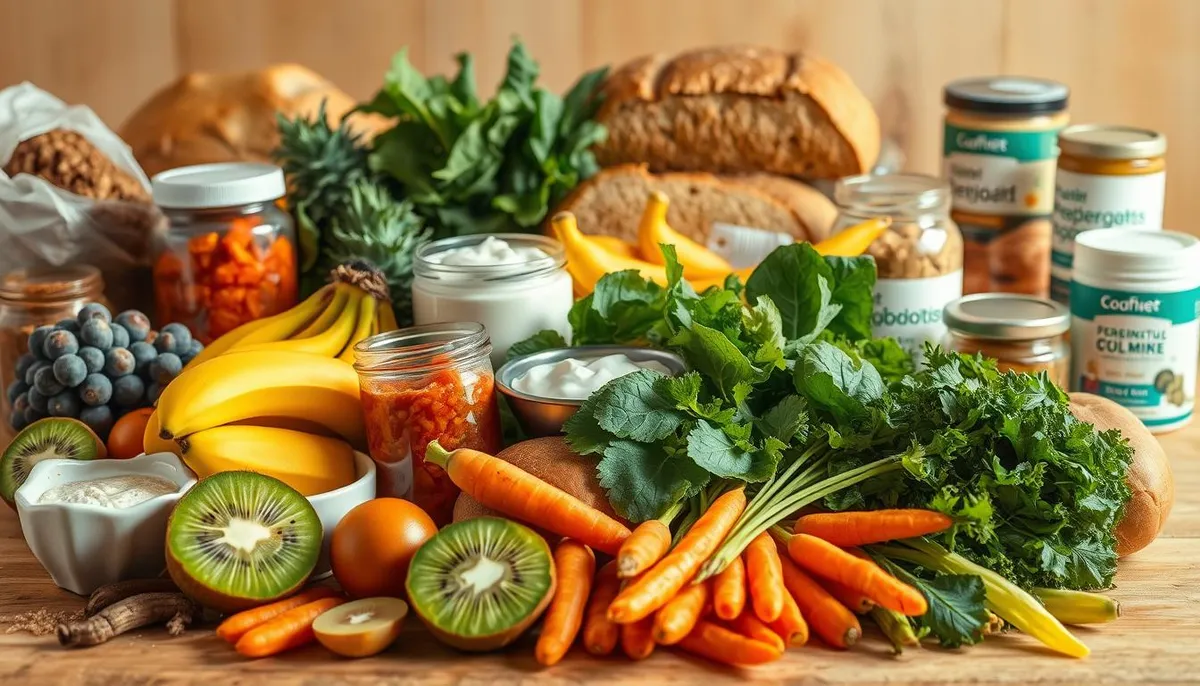
Prebiotic-rich vegetables like Jerusalem artichokes, asparagus, and onions provide excellent fuel for beneficial bacteria. Garlic and leeks also offer substantial amounts of these helpful fibers.
Legumes such as beans and peas are packed with prebiotic content. Whole grains like oats and various fruits including bananas and berries complete this category.
Natural Probiotic Foods and Fermented Options
Fermented foods represent the richest source of live cultures. Plain yogurt with active cultures, traditional sauerkraut, and kimchi lead this group.
Kefir (both dairy and non-dairy varieties) and kombucha tea also contain beneficial microorganisms. Always check labels for “live cultures” or “unpasteurized” to ensure you’re getting active bacteria.
Some items like kefir and sauerkraut are synbiotic, containing both the bacteria and the fiber they need. Try combining yogurt with berries and oats for a powerful gut-health meal.
The Science Behind Supplementation: Pills, Powders, and More
Navigating the world of gut health supplements can feel like a complex science project. These products come in many forms, including capsules, powders, and liquids. Each type has a different way of delivering those helpful bacteria to your system.
Supplement Quality and Storage Considerations
A major challenge is quality control. The FDA does not approve most specific strains found in these products. This means some brands make big claims without solid proof.
It’s crucial to look beyond the word “probiotics” on the label. Specific strains matter greatly for their effect. Seek out a probiotic supplement that lists the full strain name, like Lactobacillus rhamnosus GG.
Even the best supplement can fail if not stored correctly. Many of these live bacteria need refrigeration. Heat and moisture can destroy them before you even take a dose.
Your stomach acid is another big hurdle. Many supplements contain bacteria that cannot survive the journey. Some use special coatings to improve survival rates.
Also, most products lack prebiotics, the food for the bacteria. This can make it hard for them to establish a foothold in your gut.
Remember, an adult’s gut already contains about 100 trillion microbes. A typical supplement adds billions. It’s a small but potentially helpful addition to a vast ecosystem.
Practical Ways to Incorporate Prebiotics and Probiotics into Your Daily Routine
Ready to put this knowledge into practice for your long-term health? Building a gut-friendly daily routine is simpler than you think. It starts with smart meal planning and mindful eating patterns.
Meal Planning and Natural Food Choices
Adopt a food-first philosophy. A diverse diet rich in plants is the best way to get both components. Aim for over thirty different plant foods each week.
Include prebiotic vegetables like onions and asparagus at lunch and dinner. Start your day with yogurt and berries. Add fermented foods like sauerkraut as a side dish.
Your eating patterns matter too. Space meals four to five hours apart. Try an overnight fast of eight to twelve hours. This gives your gut time to rest and repair.
Modern food production often removes beneficial microbes. Choose whole foods over ultra-processed options. This is a powerful way to support your microbiome naturally.
Supplement Considerations and Best Practices
Supplements can help in specific situations. Consider them after antibiotic use or for certain health conditions. Always consult a healthcare professional first.
Start slowly with any new diet change to avoid discomfort. For personalized advice, work with a registered dietitian. They can tailor a plan for your needs.
Resources like longevity-supplement.com offer evidence-based options. Use them when your diet alone is not enough for your health goals. The right diet is your foundation for vitality.
Research Insights and Expert Opinions on Gut Health
Leading medical experts offer surprising perspectives on the true value of gut health products. The current research landscape reveals both promising findings and significant knowledge gaps that consumers should understand.
Latest Scientific Findings
Dr. Suzanne Devkota from Cedars-Sinai calls some products “one of the greatest marketing schemes.” She notes that people often take them hoping they work rather than knowing their effects.
The American Gastroenterological Association found strong scientific evidence for only three specific conditions. These include C. difficile prevention and certain infant digestive issues.
Antibiotics can permanently change gut bacteria, especially during childhood. This alteration may contribute to antimicrobial resistance concerns.
Expert Recommendations and Real-World Implications
Dr. Maria Marco’s studies highlight that individual diet composition matters greatly. Personalized approaches may be more effective than one-size-fits-all solutions.
Many clinical trials have limitations like small sample sizes or animal testing. This makes human application uncertain for many health claims.
Consult your doctor before starting any new regimen, especially if you have health conditions. Some people may experience side effects or interactions.
Despite current limitations, experts predict a “renaissance period” for this field. Future research will better identify which strains work for specific individuals and conditions.
Conclusion
Investing in your gut health is a powerful commitment to your future vitality. The symbiotic roles of prebiotics and probiotics are fundamental to this process. They work together to maintain a healthy balance of gut bacteria, which supports everything from your immune system to metabolic well-being.
A diverse diet rich in fibrous foods, fermented items, and whole grains remains the gold standard. While a quality supplement can be helpful, food should be your primary focus. Remember, this is a personal journey; what works for one person may differ for another.
Ready to take your gut health and longevity journey to the next level? https://longevity-supplement.com is your gateway to maximizing life potential. Inspired by Blueprint Bryan Johnson’s innovative approach, this platform connects you to premium supplements and cutting-edge health insights. Sign up now and start your journey toward a longer, healthier life.
FAQ
What’s the main difference between prebiotics and probiotics?
Think of them as a team! Probiotics are the live, beneficial microorganisms found in foods like yogurt and kimchi. Prebiotics are a special type of fiber, found in items such as bananas and oats, that act as food for those good bacteria. You need both for a healthy gut microbiome.
Can I get enough from food, or do I need a supplement?
Many people can get what they need from a balanced diet rich in whole grains, fruits, vegetables, and fermented foods. A supplement can be helpful for specific health goals or if your diet lacks variety. It’s always a good idea to talk with your doctor before starting any new regimen.
Are there any side effects I should know about?
When you first increase your intake, you might experience some temporary gas or bloating as your system adjusts. Starting slowly with foods like beans and artichokes can help. If you’re considering a high-dose probiotic supplement, consulting a healthcare professional is wise.
How do these support my immune system?
A large part of your immune system is located in your gut. By helping to maintain a healthy balance of bacteria, prebiotics and probiotics play a crucial role in supporting your body’s natural defenses and can help manage inflammation.
What are some easy ways to add them to my meals?
It’s simpler than you think! Try adding a sprinkle of oats to your yogurt, tossing chickpeas into a salad, or enjoying a side of sauerkraut. Small, consistent choices with these foods can make a big difference in your overall well-being.