
Welcome to your guide on harnessing the power of your diet for a vibrant life. This journey explores how specific ingredients can be a cornerstone for robust health and increased longevity.
Many everyday items contain live, beneficial microorganisms. These tiny allies work to transform your digestive system and strengthen your immune defenses. This natural support is key to achieving long-term wellness goals.
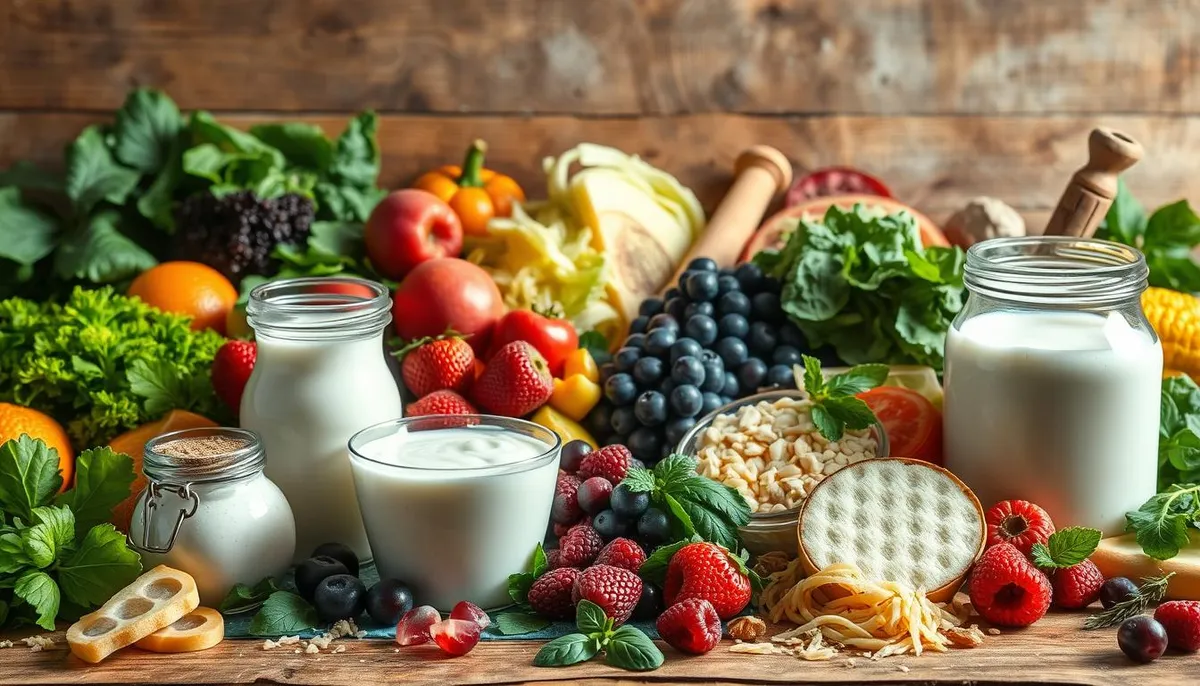
The choices we make at mealtime have a direct link to our lifespan. By consciously adding certain items to your daily routine, you take a powerful step toward a healthier, longer life. It’s a practical strategy for maximizing your potential.
You will discover a delicious variety of options, from creamy dairy to tangy fermented creations. This guide makes enhancing your gut health an easy and enjoyable experience. We focus on science-backed information to help you make informed decisions.
Our friendly approach ensures you feel confident exploring these culinary possibilities. Get ready to learn about familiar favorites and exciting new discoveries that open up a world of flavor and well-being.
Key Takeaways
- Certain everyday items are packed with beneficial live microorganisms that support your body.
- Incorporating these ingredients into your diet can significantly improve digestive and immune function.
- Dietary choices are a major factor influencing overall health and potential lifespan.
- A wide range of delicious options exists, making it simple to add these health-boosting elements to meals.
- This guide provides practical, evidence-based information for making smart nutritional choices.
- Enhancing your well-being through diet can be an accessible and enjoyable journey.
Introduction to Probiotics and Their Health Benefits
Your digestive tract hosts a complex ecosystem where certain living cultures play a vital role. These beneficial microorganisms work together to maintain balance and support overall wellness.
Understanding Probiotics and Active Cultures
Probiotics are live microorganisms that deliver remarkable advantages when consumed regularly. Different strains offer unique benefits for your body’s systems.
Common families include Lactobacillus and Bifidobacterium varieties. Each strain has specific characteristics that support various aspects of health.
Food labels mentioning “active cultures” indicate the presence of living beneficial bacteria. These cultures can positively impact your digestive environment when they reach your gut.
| Probiotic Strain | Primary Benefits | Common Sources |
|---|---|---|
| Lactobacillus acidophilus | Digestive support, nutrient absorption | Yogurt, fermented items |
| Bifidobacterium longum | Immune function, gut lining strength | Aged cheeses, supplements |
| Lactobacillus plantarum | Inflammation reduction, vitamin production | Fermented vegetables, traditional dishes |
How Probiotics Support Digestion and Immunity
These helpful bacteria enhance nutrient absorption and produce essential vitamins. They maintain a healthy balance of microorganisms in your digestive system.
Probiotics strengthen the intestinal lining and act as a first defense against pathogens. They communicate with immune cells to boost overall system function.
The bacteria create an acidic environment that inhibits harmful microbe growth. This mechanism promotes beneficial microorganism proliferation throughout your digestive tract.
Additional advantages include reduced inflammation and improved bowel regularity. Regular consumption helps replace beneficial bacteria lost through various factors.
Exploring the World of “Foods with Probiotics in Them”
Let’s dive into the fascinating category of edible items that naturally contain live, beneficial cultures. These are primarily fermented or cultured products.
The living bacteria in these items must survive digestion to reach your gut and provide advantages. This is what makes them truly special for your diet.
Defining Probiotic Foods in a Modern Diet
Fermentation is a natural process where microorganisms transform ingredients. They convert sugars into beneficial compounds over time.
Many traditional eating patterns included these items regularly. Modern diets often lack them, creating a nutritional gap.
Reintroducing a variety of these products can fill this gap. Diversity is key for optimal gut health benefits.
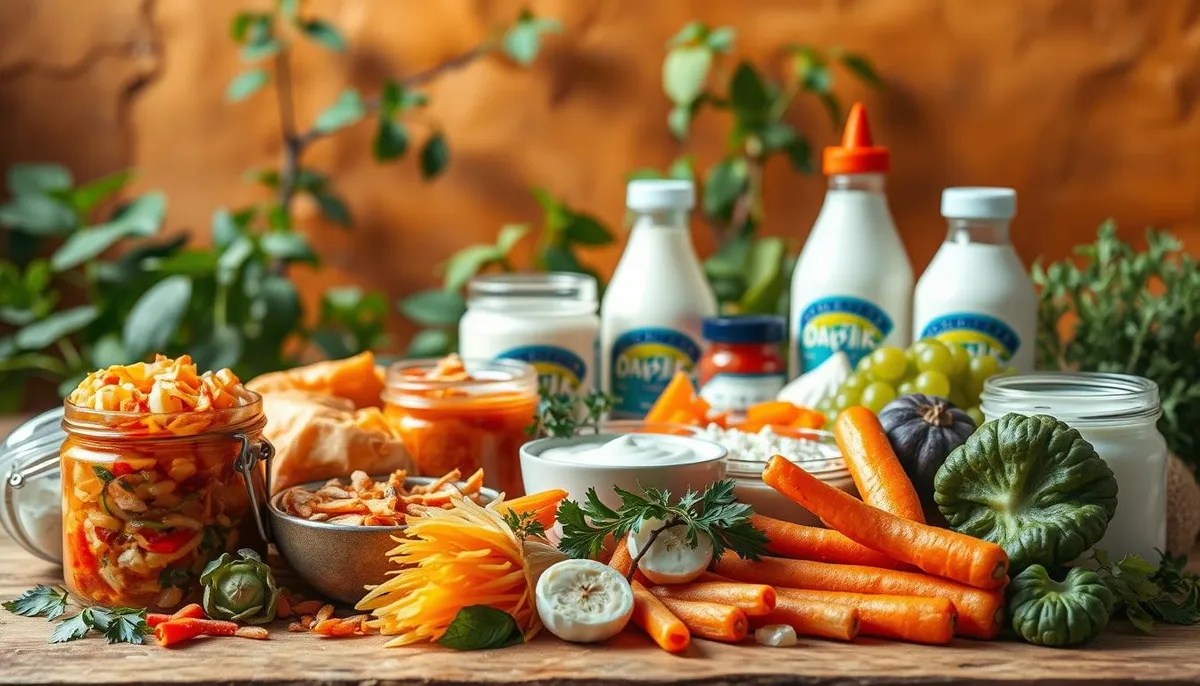
Linking Probiotic Consumption to Longevity
Research suggests a healthy gut microbiome is linked to a longer healthspan. Regular consumption of these items may reduce disease risk.
This connection highlights the long-term value of including them in your routine.
When shopping, look for labels mentioning “live active cultures.” Some processing methods, like pasteurization, can remove the beneficial bacteria.
Start with small servings to allow your system to adjust. This simple step makes adding these powerful items to your meals an easy and enjoyable process.
Nutrient-Dense Fermented Dairy and Soy Products
Traditional preservation methods have given us some of today’s most valuable health-supporting items. These fermented creations pack concentrated nutritional benefits that support overall wellness.
Yogurt and Kefir: Traditional Probiotic Powerhouses
Yogurt stands as the most accessible cultured dairy option. Beneficial bacteria transform plain milk into this creamy, tangy delight.
The fermentation process breaks down lactose, making yogurt easier to digest. Always choose products labeled with live cultures for maximum benefits.
Kefir offers even greater diversity of beneficial microorganisms. This slightly effervescent drink contains multiple strains of friendly bacteria and yeast.
Tempeh, Miso, and Natto: Soy-Based Fermented Options
Tempeh originates from Indonesia as a firm, nutty-flavored patty. This fermented soybean product provides high-quality protein and valuable B12 vitamins.
Miso serves as a versatile Japanese seasoning with impressive nutritional value. Different color varieties offer unique flavor profiles and health advantages.
Natto contains exceptional amounts of vitamin K2 for bone and cardiovascular support. Regular consumption shows protective effects against osteoporosis.
| Product | Key Benefits | Best Uses |
|---|---|---|
| Yogurt | Digestive support, bone health | Breakfast, snacks, smoothies |
| Kefir | Diverse microbiome support | Drinks, salad dressings |
| Tempeh | High protein, mineral absorption | Stir-fries, sandwiches |
| Miso | Heart health, cholesterol regulation | Soups, marinades, sauces |
| Natto | Bone density, cardiovascular support | Traditional breakfast, rice dishes |
Fermented Vegetables and Spicy Probiotic Delights
Beyond dairy and soy, a vibrant world of fermented vegetables offers unique flavors and powerful health advantages. These crunchy, tangy creations are some of the most accessible and delicious ways to support your gut.
They add a fantastic burst of flavor to any meal while delivering beneficial live cultures.
Sauerkraut and Kimchi: Flavorful and Beneficial
Sauerkraut is a classic Eastern European dish made from finely shredded cabbage. Lactic acid bacteria naturally ferment the cabbage, creating a distinctive sour and salty taste.
This process also boosts its nutritional value. Unpasteurized sauerkraut is rich in fiber, vitamins C and K, and antioxidants like lutein.
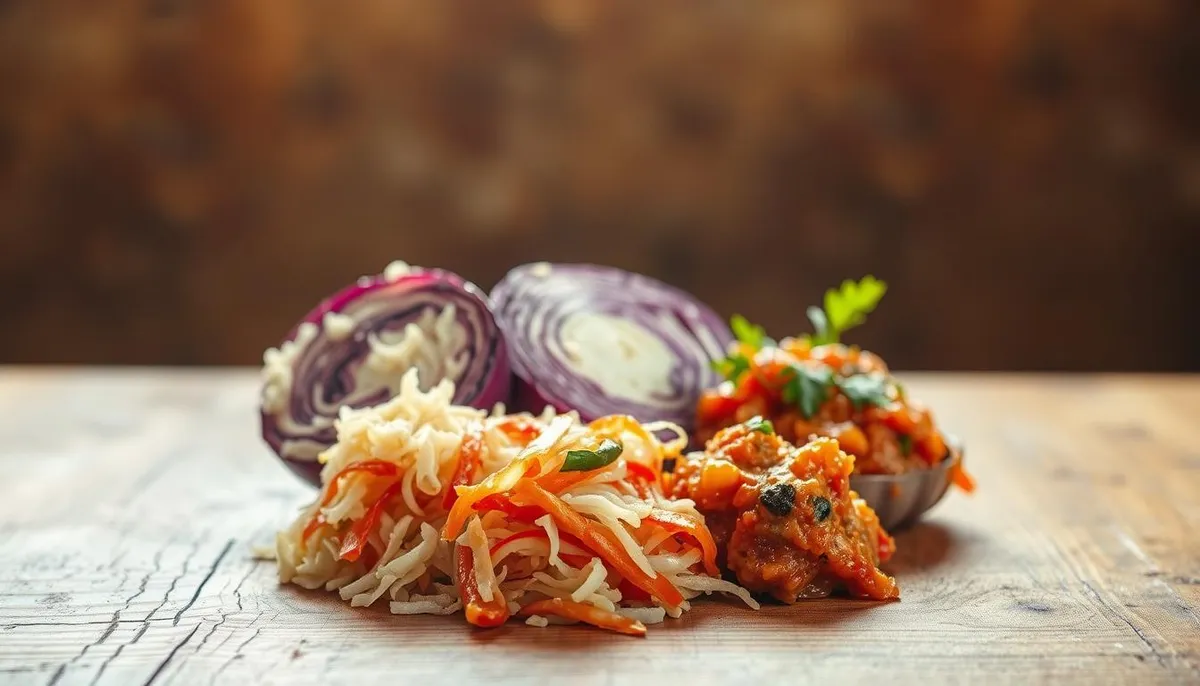
Kimchi is a spicy Korean side dish that often uses napa cabbage. It’s fermented with salt, garlic, ginger, and red chili pepper flakes.
This combination produces specific beneficial bacteria like Lactobacillus kimchii. Kimchi is also a great source of vitamin K and iron.
Pickles and Other Salt-Fermented Vegetables
Traditional pickles are cucumbers preserved in a saltwater brine. Naturally present lactic acid bacteria cause fermentation, giving them a sour taste.
It’s crucial to choose fermented pickles over vinegar-pickled versions. The vinegar process does not create live cultures.
You can also ferment other vegetables like beets, carrots, and radishes with salt. The briny liquid from these ferments is also packed with beneficial bacteria.
| Fermented Vegetable | Key Feature | Primary Benefit | Serving Idea |
|---|---|---|---|
| Sauerkraut | Tangy, fermented cabbage | Digestive support, vitamin C | Side dish, sandwich topping |
| Kimchi | Spicy Korean side dish | Gut health, immune support | Rice bowl companion, condiment |
| Fermented Pickles | Sour, salt-brined cucumbers | Source of healthy bacteria | Snack, salad addition |
| Pickled Beets/Carrots | Colorful, salty fermented veggies | Diverse microbiome support | Salad garnish, snack plate |
Expanding Your Probiotic Palette with Diverse Foods
Many everyday pantry staples hold surprising probiotic potential that often goes unnoticed. Beyond the familiar yogurt and fermented vegetables, numerous other items contain beneficial microorganisms.
Exploring these options can significantly diversify your gut microbiome. This variety supports different aspects of digestive health and overall wellness.
Cheese, Buttermilk, and Other Lesser-Known Options
While most cheese undergoes fermentation, not every variety retains live bacteria. Look for labels mentioning “live active cultures” to ensure probiotic benefits.
Semi-hard types like cheddar, mozzarella, and gouda typically contain higher levels. Cottage cheese also offers valuable live bacteria content.
Cheese provides impressive nutritional density beyond probiotics. It’s an excellent protein source rich in vitamins and minerals supporting bone and immune health.
Traditional buttermilk contains probiotics as the liquid leftover from butter-making. This authentic version differs from cultured buttermilk found in most American supermarkets.
Kombucha is a fermented tea drink gaining popularity for its potential benefits. This slightly effervescent beverage contains bacteria and yeast that may support digestive wellness.
Moderate consumption is recommended since excessive intake might cause discomfort. The sugar content and fermentation process require balanced enjoyment.
Other items like sourdough bread and coconut milk may contain some probiotics. Always check labels since pasteurization affects whether live bacteria survive processing.
Reading packaging carefully ensures you select products that truly support your gut health goals. This simple habit maximizes the benefits of your dietary choices.
Integrative Health Strategies for a Longer, Healthier Life
Blueprint Bryan Johnson’s systematic approach to longevity demonstrates how strategic health investments yield remarkable returns. His data-driven methodology aligns perfectly with incorporating beneficial fermented items into your routine.
This holistic strategy addresses wellness from multiple angles for comprehensive results.
Incorporating Blueprint Bryan Johnson’s Wellness Insights
Johnson’s protocol emphasizes measurable outcomes and consistent optimization. Including diverse fermented options supports this scientific approach to extending healthspan.
Research suggests these dietary choices may reduce risks of serious conditions like colon cancer. The immune support they provide contributes significantly to long-term vitality.
Combining Probiotic Foods with Premium Longevity Supplements
Fermented items and supplements work synergistically to enhance gut health. Both delivery methods offer powerful ways to support your system.
Longevity-supplement.com provides premium options inspired by cutting-edge wellness protocols. This platform connects you to sophisticated health insights and quality products.
Start with small servings and increase gradually to minimize temporary side effects. This allows your digestive system to adjust comfortably to new beneficial bacteria.
Always consult healthcare providers if you have specific health conditions. They can guide appropriate intake levels for your unique situation.
Pair fermented items with fiber-rich plants to maximize benefits. This combination creates an optimal environment for beneficial microorganisms to thrive.
These nutrient-dense choices rich in vitamins and minerals complement premium supplements beautifully. Together they form a robust strategy for vibrant aging.
Visit longevity-supplement.com to begin your personalized journey toward extended healthspan. Their community support and expert insights make optimization accessible to everyone.
Conclusion
The path to enhanced vitality and longevity is paved with smart nutritional decisions that work in harmony with your body. From creamy dairy favorites to adventurous fermented creations, there’s a delicious option for every taste preference.
Adding these beneficial items to your routine represents one of the most accessible ways to support digestive wellness and immune function. The cumulative advantages include better nutrient absorption and reduced inflammation over time.
Start your journey today by incorporating just one or two selections into your meals. Gradually expand your repertoire as you discover new favorites that suit your lifestyle.
For a comprehensive approach, combine these dietary choices with premium supplements from longevity-supplement.com. Their protocols, inspired by Blueprint Bryan Johnson’s methods, offer cutting-edge health strategies.
Visit their platform to explore innovative wellness solutions and join a community committed to vibrant aging. This investment in your well-being promises a future filled with energy and optimal wellness.
FAQ
What are the main health benefits of consuming fermented cabbage like sauerkraut?
Eating fermented cabbage delivers live bacteria that support your gut health. These active cultures aid digestion and can boost your immune system. Plus, it’s a great source of vitamins and minerals.
Do all types of yogurt contain live active cultures?
A>Not necessarily. Look for labels that specifically say “contains probiotics” or “live active cultures.” Some yogurts undergo pasteurization after fermentation, which kills the beneficial strains. Always check the ingredient list.
How does a diet rich in probiotic foods like kimchi and miso support longevity?
Regular consumption of these foods contributes to a balanced gut microbiome, which is linked to reduced inflammation and a lower risk of certain diseases. A healthy colon is a key part of overall wellness and a longer, healthier life.
Can I get probiotics from pickles?
Yes, but only from traditionally fermented pickles made with salt and water. Most store-bought pickles are made with vinegar, which doesn’t promote the growth of lactic acid bacteria. For real benefits, seek out fermented varieties.
What’s the difference between tempeh and miso?
Both are fermented soybean products, but they’re used differently. Tempeh is a firm, cake-like product great as a meat substitute. Miso is a salty paste used to flavor soups and dressings. Each offers unique strains of beneficial bacteria.
Are there any probiotic options for people who avoid dairy?
Absolutely! Many delicious choices are dairy-free. You can enjoy kimchi, a spicy Korean side dish, sauerkraut, miso soup, tempeh, and non-dairy kefir or yogurt made from coconut or almonds.