
Welcome! Have you ever wondered how your diet affects your locks? The journey to vibrant, strong strands starts on your plate. What you consume plays a direct role in how your hair grows and looks every day.
While genetics and age are factors, your nutritional choices are a powerful tool you control. This guide unlocks that potential. We will explore the building blocks for fantastic hair health.
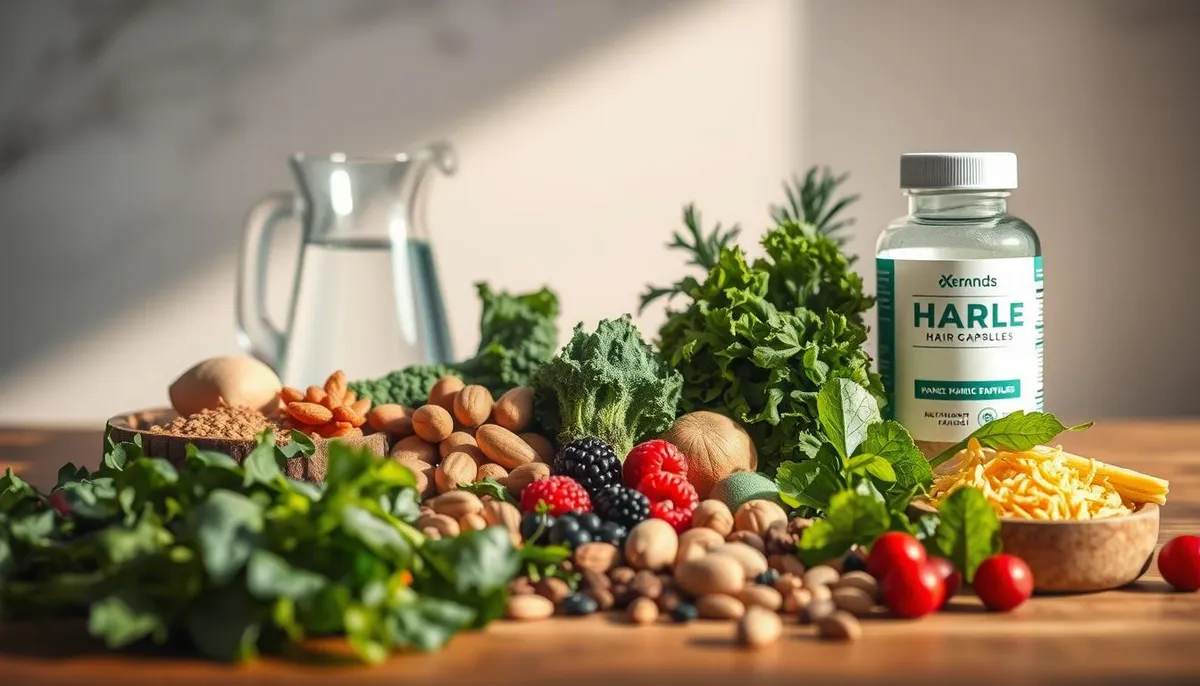
We will dive into the specific vitamins, minerals, and proteins that fuel your follicles. You will learn about powerful dietary sources and strategic additions to your routine. Our goal is to make the science simple and actionable for your life.
True improvement takes patience and consistency, as hair grows slowly. But with the right knowledge, you can build a foundation for noticeably thicker, healthier hair over time.
Key Takeaways
- Your daily diet has a major impact on the condition and growth of your hair.
- Nutrition is a key factor within your control to improve hair health.
- Specific essential nutrients are required to support strong follicles.
- This guide will break down complex nutritional science into easy steps.
- Consistency and patience are vital for seeing long-term results.
- We will cover both whole food sources and targeted additions to your regimen.
- The information is based on evidence and modern wellness approaches.
Essential Nutrients for Hair Growth
Certain nutrients serve as the fundamental building blocks for strong, healthy strands. These compounds work together to support the natural growth cycle at the follicular level.
Vitamins that Boost Growth
B vitamins, particularly biotin, are essential for producing keratin. This protein forms the structural foundation of each strand. A biotin deficiency, while uncommon, can lead to noticeable thinning.
Vitamin D plays a crucial role in hair development. Many people in northern climates experience deficiency due to limited sun exposure. Adequate levels help maintain optimal follicular function.
Vitamin C offers dual benefits for your locks. It acts as an antioxidant while improving iron absorption from plant sources. This combination helps protect follicles and enhance nutrient uptake.
Minerals for Healthy Hair
Iron carries oxygen directly to hair follicles, supporting their metabolic needs. Zinc maintains the growth and repair cycle, while magnesium aids in protein synthesis. Selenium supports thyroid function, which regulates the entire process.
| Nutrient | Primary Function | Daily Recommendation |
|---|---|---|
| Biotin | Keratin production | 30-100 mcg |
| Vitamin D | Follicle development | 2,000-5,000 IU |
| Iron | Oxygen transport | 8-18 mg |
| Zinc | Growth cycle support | 8-11 mg |
Most people can obtain these essential compounds through a varied, balanced approach. Focus on meeting your nutritional needs rather than relying solely on additional products.
How Diet Influences Hair Growth
The connection between what you eat and the condition of your locks is more direct and powerful than many realize. While genetics, age, and overall health set the stage, your daily diet is a lever you can actively control to support your strands.
Impact of Nutrient Deficiencies
When your body lacks essential nutrients, your hair follicles are often among the first to show signs of distress. A deficiency can disrupt the natural growth cycle, pushing hairs into a resting phase too soon. This can lead to noticeable thinning and shedding.
Specific shortfalls are strongly linked to hair loss. A vitamin deficiency in B12 or D can be a culprit. However, iron deficiency is one of the most common nutritional causes worldwide. It reduces oxygen delivery to follicles, starving them of the energy needed for robust hair growth.
Role of Protein in Follicle Health
Since each strand is primarily made of a protein called keratin, inadequate protein intake can directly cause hair loss. Without enough building blocks, your body cannot produce strong, resilient strands. This often results in weaker hair that breaks easily.
While severe deficiency from poor nutrition is rare, even minor imbalances can affect your hair‘s quality. Correcting these through better diet can help reverse the loss, but patience is key. If you experience significant shedding, consulting a healthcare professional is a vital step.
Food and Supplements for Hair Growth
This section transforms nutritional theory into actionable shopping lists. You will discover specific items to add to your cart and learn which additions are truly worth considering.
Best Foods for Strong Hair
Powerful options are found in everyday groceries. Protein-rich choices like eggs deliver multiple essentials in one package: high-quality protein, biotin, zinc, and selenium.
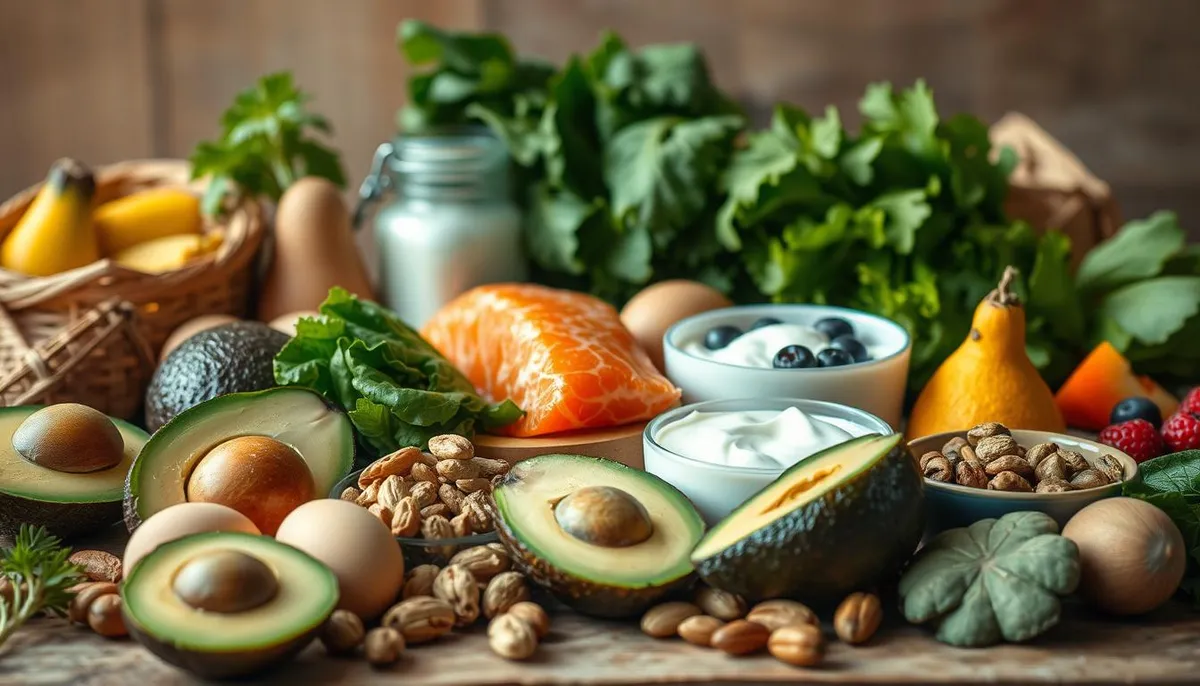
Fatty fish such as salmon offer a triple benefit. They provide omega-3s for scalp health, protein for strand structure, and vitamin D3.
Don’t forget vitamin-packed produce. One yellow pepper delivers up to 456% of your daily vitamin C needs. Nuts and seeds are excellent sources of vitamin E and zinc.
Effective Supplements to Consider
The market is flooded with products making bold claims. However, scientific evidence supports routine use of only a few specific additions.
Vitamin D, iron, and vitamin C (to enhance iron absorption) are the primary ones backed by research. These are most beneficial for addressing documented deficiencies.
Your body absorbs nutrients better from whole sources. Dietary improvements should always be your first strategy for achieving your goals.
- Be cautious with high-dose biotin, as it can interfere with lab tests.
- Excess vitamin A can actually contribute to problems.
- Focus on a varied diet to obtain these vital compounds naturally.
Nutritional Strategies Inspired by Blueprint Bryan Johnson
Blueprint Bryan Johnson’s data-driven approach to wellness provides a powerful framework for enhancing hair vitality as part of total-body health. This methodology applies rigorous, scientific strategies to optimize every biological system.
Cutting-Edge Health Insights
The Blueprint philosophy treats vibrant strands as one visible benefit of comprehensive biological age reduction. Modern longevity science confirms that follicle health reflects your overall systemic condition.
This approach prioritizes nutrient density above all else. It emphasizes consuming compounds that deliver maximum vitamins and minerals per calorie consumed. This strategy directly supports optimal follicle nutrition.
Advanced health optimization includes strategic supplementation based on testing. Common deficiencies affecting both longevity and hair quality are addressed through monitored protocols.
| Aspect | Traditional Approach | Blueprint Methodology |
|---|---|---|
| Focus | Isolated symptom management | Comprehensive system optimization |
| Supplementation | General market products | Evidence-based, tested protocols |
| Nutrition Priority | Calorie counting | Nutrient density maximization |
| Goal | Cosmetic improvement | Biological age reduction |
Longevity-supplement.com connects you to premium products selected through cutting-edge health insights. This platform helps implement Blueprint-inspired strategies for maximizing human potential.
Optimal hair quality emerges naturally from this holistic approach to vitality. It represents just one visible benefit of comprehensive health optimization at every age.
Incorporating Superfoods for Hair Vitality
Some everyday items in your kitchen pack a powerful punch for your strands. These nutrient-dense options deliver exceptional concentrations of vitamins and minerals.
Eggs, Berries, and Leafy Greens
Eggs deserve superfood status for their comprehensive benefits. They provide high-quality protein that forms the structural foundation of each strand.
Biotin in eggs supports keratin production while zinc and selenium complete the nutritional package. This combination makes eggs an affordable, convenient choice.
Berries offer remarkable vitamin C content. Just one cup of strawberries delivers over 100% of your daily requirement. This vitamin serves double duty for your locks.
Leafy greens like spinach pack folate, iron, and vitamins A and C into low-calorie servings. These compounds work together to support healthy development.
Power of Antioxidants
Antioxidants protect against damage from free radicals that exist naturally. These harmful molecules can overwhelm your body’s defenses.
This condition, called oxidative stress, has been linked to hair loss and premature graying. Antioxidants neutralize free radicals before they cause harm.
The protection extends beyond your strands to benefit your entire system. Healthy scalp skin creates the ideal environment for vibrant locks.
Simple additions to your routine can make a significant difference. Regular consumption of these superfoods supports overall vitality.
The Role of Omega-3 and Healthy Fats
Beyond vitamins and minerals, certain dietary fats provide essential support for optimal follicle function. Many people overlook these crucial components, but they play vital roles in scalp health and nutrient absorption.
Benefits of Fatty Fish
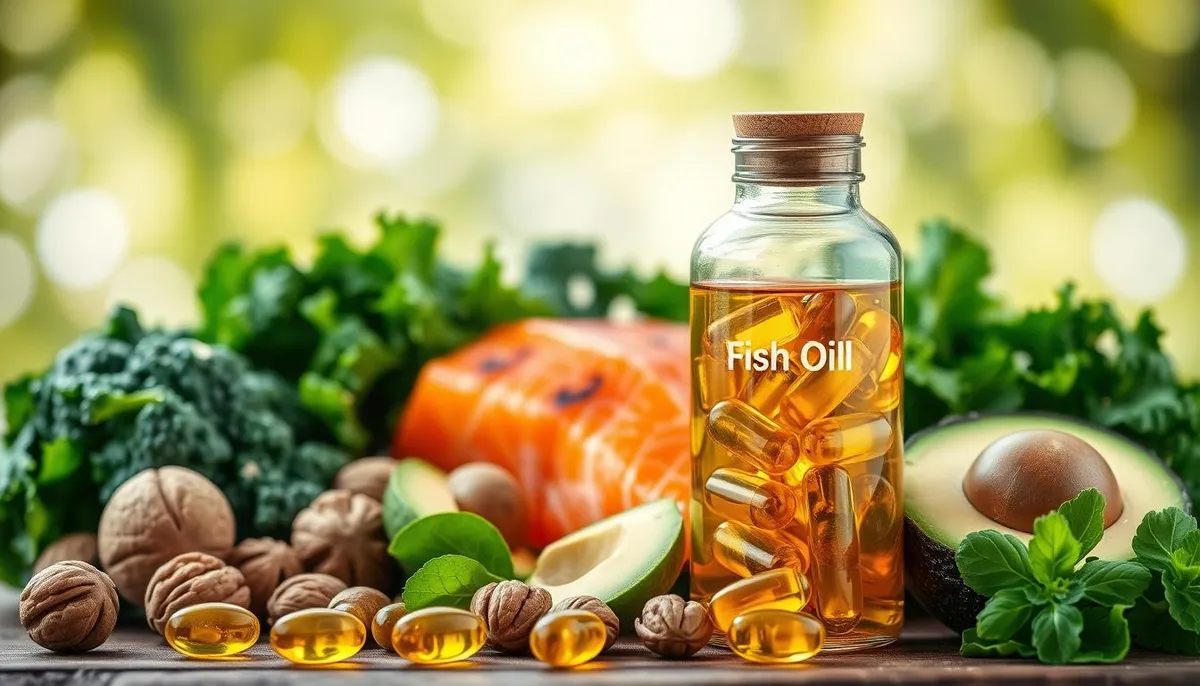
Fatty fish like salmon, herring, and mackerel deliver powerful omega-3 fatty acids with anti-inflammatory properties. These compounds help minimize oxidative stress that can damage follicles.
Research involving 120 women found that supplementation with omega-3 fatty acids and antioxidants reduced shedding while increasing density. These fish also provide protein, selenium, and vitamin D3 for comprehensive support.
Avocados and Nuts as Nutrient Sources
Avocados offer delicious monounsaturated fats plus vitamin E protection. One medium avocado provides 28% of your daily vitamin E needs, helping neutralize free radicals.
Nuts like almonds deliver 48% of your vitamin E requirement in just one ounce. They also contain B vitamins, zinc, and essential fatty acids that support the natural cycle.
| Source | Key Nutrients | Hair Benefits |
|---|---|---|
| Salmon | Omega-3, Protein, Vitamin D3 | Reduces inflammation, supports growth |
| Avocado | Vitamin E, Monounsaturated Fats | Antioxidant protection, scalp health |
| Almonds | Vitamin E, Zinc, B Vitamins | Strengthens strands, supports repair |
| Flaxseeds | Omega-3 Fatty Acids | Plant-based anti-inflammatory support |
For optimal results, include fatty fish 2-3 times weekly. Add avocado to salads and keep nuts handy for convenient snacking. These simple additions can significantly support hair vitality over time.
Debunking Myths about Hair Growth Supplements
Navigating the supplement aisle can feel overwhelming with so many products promising miraculous results. Many expensive formulas claim to reverse thinning, but scientific evidence often tells a different story.
Let’s tackle the biotin myth directly. This vitamin gets heavy marketing for locks, yet true deficiency is extremely rare. Healthy people with normal diets almost never experience biotin shortage.
Understanding Supplement Labels
Excess biotin creates real medical risks. High doses can interfere with thyroid and hormone tests, potentially leading to misdiagnosis. Many products contain biotin far exceeding daily needs.
Only three additions have solid scientific support. Vitamin D, iron, and vitamin C (for iron absorption) show genuine benefits when deficiencies exist. More isn’t always better with these compounds.
| Supplement | Evidence Level | Potential Risks |
|---|---|---|
| Biotin | Weak for non-deficient individuals | Lab test interference |
| Vitamin A | Can cause loss at high levels | Toxicity with excess intake |
| Vitamin D | Strong for deficient individuals | Bone pain, kidney stones |
| Iron | Strong for deficient individuals | Organ damage above 45mg/day |
See a dermatologist for significant shedding rather than self-treating. Choose targeted products for documented needs instead of multi-ingredient formulas with questionable benefits.
Implementing a Balanced Diet for Optimal Hair Health
The Mediterranean diet stands out as a gold standard for systemic wellness. This pattern emphasizes plant-based items, whole grains, lean proteins, and healthy fats. These are the exact components that create a foundation for vibrant locks.
Practical meal planning turns this knowledge into daily practice. Aim for protein at every meal, like eggs for breakfast or fish for lunch. Include colorful vegetables and fruits for antioxidants.
Meal Planning for Better Hair
Build a weekly rotation that naturally includes key items. Incorporate fatty fish 2-3 times weekly. Add daily leafy green salads and berries as snacks.
Nuts, seeds, and olive oil provide essential fats. This consistent approach ensures your body receives the necessary compounds.
| Dietary Approach | Primary Focus | Impact on Vitality |
|---|---|---|
| Standard American Diet | Processed items, high sugar | May lead to nutrient gaps |
| Mediterranean Pattern | Whole foods, nutrient density | Provides comprehensive support |
| Restrictive Dieting | Calorie limitation | Can deprive follicles of fuel |
Integrating Longevity Supplements Naturally
For most individuals, a varied diet makes additional products unnecessary. The body absorbs compounds better from whole sources.
Supplementation plays a specific role. It is appropriate for documented deficiencies, like vitamin D in low-sunlight climates.
When needed, choose evidence-based options from reputable sources. Platforms like longevity-supplement.com offer premium, science-backed products for targeted support.
Remember, improvement is a marathon. Strands grow about 1mm daily. Noticeable results from dietary changes can take three months or more. Consistency and patience are your greatest allies.
Conclusion
Taking control of your nutritional intake represents one of the most impactful decisions you can make for your locks. While genetics play a role, your daily choices provide the essential nutrients your follicles need to thrive.
Vitamins A, C, D, and E protect against damage while B vitamins support keratin production. Minerals like iron deliver oxygen and zinc maintains the growth cycle. Protein forms the structural foundation of each strand.
Correcting deficiencies can help minimize loss and promote healthy development. Good nutrition also shields follicles from external stressors like heat styling and chemicals.
For comprehensive wellness strategies, explore longevity-supplement.com. Their evidence-based approach supports not just vibrant strands but overall vitality. Start your journey toward optimal health today.
Your investment in proper nutrition today yields visible results for months to come.
FAQ
Can a vitamin deficiency really cause hair loss?
Absolutely. A lack of essential nutrients like iron, zinc, and biotin can directly impact your hair health. When your body is deficient, it prioritizes vital functions over hair follicle support, which can lead to increased shedding and slower growth.
What is the single best food I can eat for stronger hair?
A> While no one food is a magic bullet, eggs are a fantastic choice. They provide high-quality protein for building hair strands, along with biotin and zinc. These nutrients work together to reduce damage and support healthy growth.
Are hair growth supplements like biotin safe and effective for everyone?
A> Biotin is generally safe, but its effectiveness varies. It can help if you have a true deficiency. However, taking too much of certain vitamins can sometimes have the opposite effect. It’s always best to consult with a doctor to check your nutrient levels first.
How does stress affect my hair, and can nutrition help?
A> High stress can trigger a type of loss called telogen effluvium, pushing hair follicles into a resting phase. A diet rich in antioxidants from berries and leafy greens can help combat the oxidative stress that damages follicles, supporting your scalp’s overall health.
What role do omega-3 fatty acids play in maintaining hair health?
A> Omega-3s, found in fatty fish like salmon, are powerful anti-inflammatories. They help keep your scalp hydrated and healthy, creating a better environment for growth. They also support the skin’s natural oils, which adds shine and reduces brittleness.