
Welcome to your guide on strategic nutrition for a vibrant life. We will explore how specific dietary choices can powerfully support your body’s natural systems. This approach is inspired by innovative health strategies like the Blueprint protocol.

Our focus is on a particular powerhouse nutrient. It is the most abundant amino acid in your body. This substance plays a crucial role in digestion, immune defense, and tissue repair.
Your body creates this nutrient naturally. However, you can boost your levels through your diet. This extra support can enhance your overall health and vitality. It is a key part of a longevity-focused lifestyle.
This article will show you both animal and plant sources. This makes the information useful for everyone, no matter your diet. You will get practical tips to make informed choices for your daily meals.
For those seeking to go further, resources like longevity-supplement.com offer premium support. They provide supplements and insights that complement a nutrient-rich diet. This helps you fully embrace optimal health and defy aging.
Key Takeaways
- Strategic nutrition choices can significantly boost your overall wellness and longevity.
- A specific, abundant amino acid is vital for digestion, immunity, and healing.
- You can enhance your body’s natural production of this nutrient through diet.
- Both animal-based and plant-based sources are available for various dietary preferences.
- This guide provides actionable information to improve your daily nutrition plan.
- Premium supplements can complement a strategic diet for maximum health benefits.
Introduction to Glutamine Foods and Blueprint Nutrition
The science behind strategic nutrition reveals how certain amino acids serve as building blocks for vitality. Among the twenty different amino acids your body uses, one stands out for its abundance and versatility.
This particular nutrient is classified as a conditionally essential amino acid. Your body typically produces enough, but during stress, illness, or intense exercise, your needs may exceed natural production.
There are two forms of this amino acid: L-glutamine and D-glutamine. The L-form is the one most relevant to human health and nutritional strategies.
This connects perfectly with Blueprint Bryan Johnson’s data-driven approach to wellness. His philosophy emphasizes using precise nutritional strategies to optimize bodily functions and extend healthspan.
This amino acid functions as a crucial component for protein synthesis. It also supports the creation of other amino acids while helping remove metabolic waste from your system.
For those seeking to maximize their results, resources like longevity-supplement.com offer premium support. They provide supplements and insights that align with Blueprint’s innovative approach to defying aging.
Understanding these nutritional foundations is your first step toward creating a strategy that supports immune function, gut health, and overall vitality for a longer, healthier life.
Understanding the Benefits of Glutamine Foods
The connection between what you eat and how your body protects itself is more direct than you might think. This amino acid plays a vital role in maintaining your overall wellness.
Glutamine and Immune Function
Your immune system relies heavily on this nutrient for optimal performance. White blood cells use it as their primary energy source to fight off infections.
These protective cells depend on adequate levels to identify and neutralize health threats. Maintaining proper amounts supports your body’s natural defense mechanisms.
Gut Health and Digestive Support
Your digestive system benefits significantly from this important amino acid. It helps strengthen the intestinal lining, preventing harmful substances from entering your bloodstream.
This support promotes better nutrient absorption and maintains a healthy gut environment. Many immune cells actually reside in your intestines, creating a powerful connection between digestive and immune function.
| Benefit Area | Primary Function | Key Outcome |
|---|---|---|
| Immune Support | Fuels white blood cells | Enhanced infection defense |
| Gut Integrity | Strengthens intestinal lining | Improved nutrient absorption |
| Tissue Repair | Supports healing processes | Faster recovery |
| Overall Wellness | Connects immune and digestive systems | Comprehensive health support |
These interconnected benefits demonstrate how strategic nutrition supports multiple aspects of your well-being simultaneously.
Glutamine Foods in a Balanced Diet
Building a balanced eating plan doesn’t require complex calculations or strict tracking. Most healthy adults naturally consume between 3 and 6 grams of this important amino acid daily through regular meals.
Your body’s remarkable ability to produce this nutrient when needed means that eating a varied diet with adequate protein typically meets your needs. This makes it relatively easy to obtain sufficient amounts through normal eating patterns.
Integrating Glutamine-Rich Foods with Your Meals
Think about including quality protein sources at each meal rather than obsessing over exact quantities. For breakfast, consider eggs or Greek yogurt. Lunch and dinner can feature lean meats, fish, or plant-based options like beans and lentils.
Dietary diversity is key to ensuring adequate intake while providing other essential nutrients. Consuming a variety of both animal and plant-based protein sources naturally supports good consumption levels.
While research on exact content in specific items is limited, focusing on high-quality protein-rich foods ensures you’re covered. View these nutritional choices as part of a holistic approach to wellness rather than something requiring meticulous tracking.
This foundation helps you understand when you might need more intentional intake—topics we’ll explore later regarding athletic performance and specific health needs.
Animal-Based Sources of Glutamine
Animal proteins offer some of the most concentrated sources of this essential amino acid for those who include meat in their diets. These options provide excellent bioavailability, meaning your body can easily absorb and utilize the nutrients.
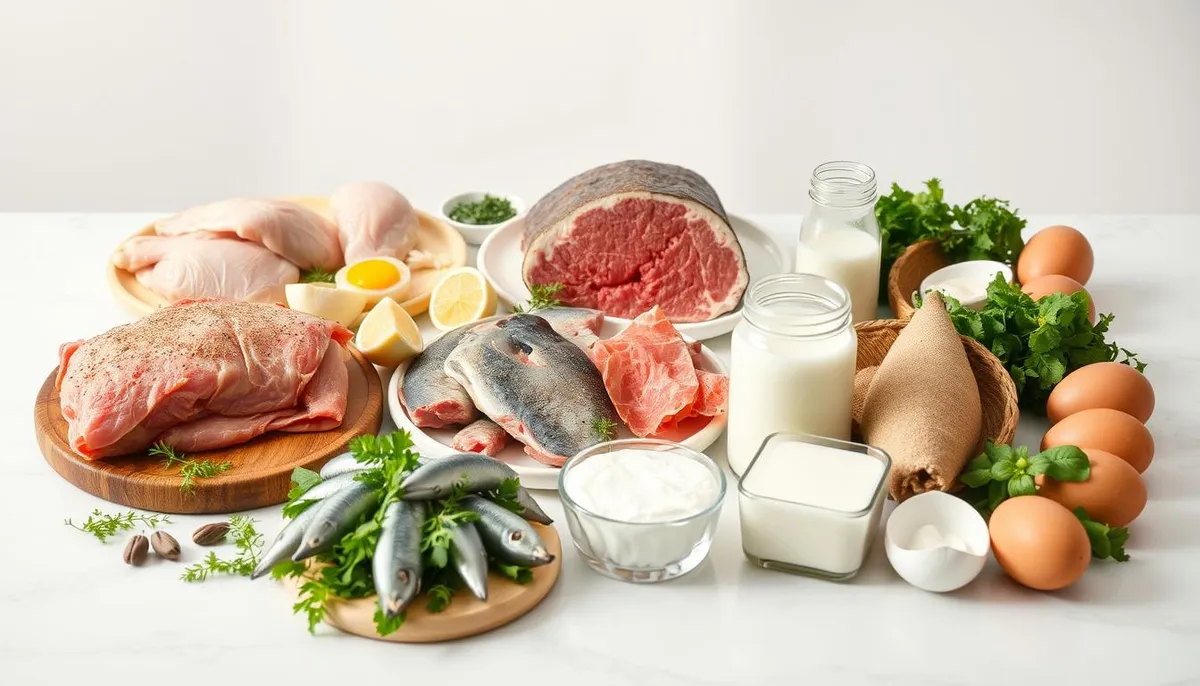
Beef, Pork, and Chicken for Optimal Protein
Beef stands out as a powerhouse source, delivering approximately 1.2 grams of glutamine per 100-gram serving. This represents a high glutamine content in a complete protein package containing all nine essential amino acids.
Beyond its amino profile, beef provides important nutrients like iron for oxygen transport and zinc for immune support. This makes it a nutrient-dense choice that supports overall wellness.
Pork offers another excellent option with substantial amounts of this important amino compound. Lean cuts like tenderloin provide phosphorus for bone health, selenium as an antioxidant, and multiple B vitamins for energy metabolism.
Chicken potentially leads among common meats with about 1.6 grams of glutamine per 3.5-ounce serving. A 3-ounce portion delivers around 27 grams of protein plus significant amounts of phosphorus, selenium, and B vitamins.
| Protein Source | Serving Size | Glutamine Content | Key Nutrients |
|---|---|---|---|
| Beef | 3.5 ounces | 1.2 grams | Iron, Zinc, Complete Amino Profile |
| Pork (Lean) | 3.5 ounces | High Amount | Phosphorus, Selenium, B Vitamins |
| Chicken | 3.5 ounces | 1.6 grams | Phosphorus, Selenium, B Vitamins |
Incorporate these meats into meals like grilled chicken breast with vegetables, lean beef stir-fries, or roasted pork tenderloin with whole grains. These combinations make achieving your nutritional goals both delicious and sustainable.
Dairy and Seafood: Nutrient-Packed Options
Your daily dairy and seafood choices can deliver substantial nutritional benefits beyond their primary nutrients. These versatile options provide excellent amino acid support while offering additional health advantages.
Milk, Yogurt, and Cheese Benefits
A single cup of skim milk provides approximately 0.7 grams of this important amino acid. This represents about 8% of milk’s protein content while covering 25% of your daily calcium needs.
Yogurt, particularly Greek varieties, offers an excellent way to increase your intake. These options deliver beneficial probiotics for digestive health alongside B vitamins for energy metabolism.
Cheese naturally contains high levels of this nutrient, with aged varieties like Parmesan offering concentrated amounts. Softer cheeses like brie are also good sources, providing protein, calcium, and selenium.
Fish and seafood stand out as outstanding protein sources where this amino acid makes up a significant portion of their profile. Some farmed fish may contain even higher levels when fed specialized diets.
Fatty fish like salmon and sardines provide the bonus of omega-3 fatty acids that support cardiovascular and cognitive health. These options make achieving your nutritional goals both delicious and sustainable.
Practical meal ideas include Greek yogurt parfaits for breakfast or grilled salmon with vegetables for dinner. Adding Parmesan cheese to salads creates enjoyable ways to incorporate these nutrient-rich options into your routine.
Plant-Based Glutamine Foods for Vegans
Following a plant-based lifestyle doesn’t mean missing out on essential nutritional support. Numerous vegan-friendly options provide excellent amino acid content, making it entirely possible to meet your body’s needs without animal products.
Legumes like beans, lentils, and chickpeas stand out as outstanding sources. They deliver substantial fiber and beneficial plant compounds that support healthy gut bacteria balance.
Legumes, Tofu, and Nutritious Greens
Tofu provides all nine essential amino acids, with approximately 9% of its protein coming from this important nutrient. A 100-gram serving delivers about 0.6 grams along with calcium, manganese, iron, and vitamin A.
Dark leafy greens also contribute to your daily intake while offering additional vitamins and minerals. These vegetables work wonderfully in salads, stir-fries, and smoothies.
Nuts, Seeds, and Whole Grains
Nuts and seeds are nutrient powerhouses rich in heart-healthy fats and plant-based protein. They contain high levels of both this amino acid and arginine, which helps your body produce nitric oxide for improved circulation.
Research shows that consuming just 28 grams daily was associated with a 21% lower cardiovascular disease risk. This makes them valuable for overall wellness.
Whole grains like corn provide insoluble fiber for digestive regularity. A 100-gram serving contains 2.5 grams of protein including 0.4 grams of this nutrient. White rice offers about 0.3 grams per half-cup serving and is naturally gluten-free.
Practical meal combinations include lentil curry with brown rice or tofu stir-fry with vegetables. Chickpea salad with mixed greens and almond butter on whole grain toast are other delicious options that maximize your plant-based intake throughout the day.
Glutamine Foods for Muscle Recovery and Energy
Active individuals understand that what happens after a workout is just as important as the exercise itself. The right nutritional approach can significantly impact how your body repairs and energizes itself.
This amino acid plays a crucial role in metabolic processes that generate energy for your body. During intense physical stress, illness, or overtraining, your body’s natural production may not meet elevated demands.
Boosting Performance with Protein-Rich Options
Research suggests this nutrient may help reduce muscle soreness after high-intensity exercise. It might also decrease illness risk in athletes, though evidence for consistent benefits remains mixed.
While it supports recovery and immune function, current research doesn’t support claims that it directly builds muscle mass. Instead, focus on its role in protein synthesis and energy production pathways.
| Recovery Strategy | Timing | Food Examples | Key Benefit |
|---|---|---|---|
| Post-Workout Nutrition | Within 30-60 minutes | Greek yogurt, chicken breast | Supports muscle recovery |
| Daily Maintenance | Regular meals | Beans, eggs, dairy | Sustains energy levels |
| Intense Training Periods | Increased frequency | Lean meats, tofu | Boosts metabolism support |
For optimal muscle recovery, include protein-rich options like Greek yogurt after exercise. Chicken with vegetables makes an excellent post-training meal. These whole food sources support your body’s natural repair processes.
Focus on comprehensive nutrition rather than relying solely on supplements. This approach ensures you get the full spectrum of nutrients needed for sustained performance and effective metabolism.
Decoding Food Labels for Glutamine Content
Navigating nutrition labels for specific amino acids can feel like solving a puzzle. You won’t typically find “glutamine” listed in the details.
Research on the exact amounts in various items is limited. This makes tracking your precise intake from whole foods a real challenge.
A smart workaround is to focus on protein content. Since this amino acid is abundant in protein structures, high-protein products are generally good sources.
Look for items with complete proteins. Check the grams of protein per serving on the label. This gives you a reliable proxy for your intake.
When considering a dietary supplement, label reading becomes more direct. The panel should clearly state “L-glutamine” and the amount per serving in grams.
Look for third-party testing certifications. This ensures the quality and purity of the supplement you are choosing.
| Label Type | Key Thing to Look For | Practical Tip |
|---|---|---|
| Whole Food Labels | High grams of protein per serving | Choose products with minimal processing and additives. |
| Supplement Labels | “L-glutamine” and dosage in grams | Verify with third-party seals for quality assurance. |
The best strategy is a practical one. Prioritize whole food protein sources over obsessing about exact numbers. A varied dietary plan rich in quality proteins naturally provides what most people need.
Blueprint-Inspired Nutrition Strategies
The future of health optimization lies in personalized approaches that leverage cutting-edge science. Blueprint Bryan Johnson’s revolutionary method combines data-driven decisions with strategic nutritional support.
Innovative Health Approaches
This philosophy focuses on nutrient density and bioavailability. It moves beyond generic advice to create truly personalized wellness plans.
The approach emphasizes measurable outcomes and evidence-based strategies. This ensures every nutritional choice supports your specific health goals.
Supplement Integration for Higher Needs
Most people obtain adequate amounts from their diet. However, certain situations may benefit from additional support through dietary supplements.
Research shows supplementation can help during recovery from severe illness or injury. An l-glutamine supplement has FDA approval for reducing sickle cell disease complications.
Studies suggest these supplements may support tissue healing after cancer treatments. They might also reduce chemotherapy side effects.
For those seeking premium support, longevity-supplement.com offers high-quality l-glutamine powder. This platform provides cutting-edge health insights aligned with Blueprint’s innovative approach.
Dosages up to 30 grams daily appear well-tolerated in research. Always consult healthcare professionals before starting any new supplementation regimen.
How to Incorporate Glutamine Foods in Your Daily Routine
Making nutritious choices part of your everyday life is easier than you might think. You do not need complex plans to get enough of this important amino acid.
Start your morning strong. Enjoy eggs with whole-grain toast or Greek yogurt with berries and nuts. A protein smoothie is another fantastic way to begin your day.
For lunch, think simple and satisfying. A grilled chicken salad or a hearty lentil soup are excellent choices. These meals naturally support your wellness goals.
Dinner can be both delicious and nutritious. Try baked salmon with quinoa or a lean beef stir-fry. These combinations help you maintain a balanced diet.
Smart snacks keep your energy steady. A handful of almonds or cheese with crackers are great options. They help you get enough nutrients between meals.
The best news? Most people already get enough through their normal eating habits. If you eat adequate protein, you are likely covered.
Meal prep makes everything simpler. Cook proteins in batches on the weekend. Keep hard-boiled eggs ready for a quick, healthy snack.
Focus on consistency, not perfection. Including quality protein sources at each meal is the key. This simple habit supports your long-term health effortlessly.
Glutamine Foods and Their Role in Aging Gracefully
What if your dietary choices could directly influence how well you age and maintain your independence? This essential amino acid plays a crucial role in supporting your body’s natural repair systems throughout life.
Defying Age with Nutrient-Dense Diet Choices
As we get older, tissue repair becomes increasingly important. This nutrient supports regeneration processes that help maintain vitality. Optimal glutamine levels are vital for this function.
Immune support is another key benefit for healthy aging. Your defense system naturally declines with time. Maintaining proper amounts helps counter this natural progression.
Gut health connects directly to longevity. A strong intestinal barrier ensures better nutrient absorption. This becomes more critical as digestive efficiency changes.
Chronic conditions and stress can deplete your body’s reserves. This makes intentional nutrition especially valuable for older adults. Blueprint Bryan Johnson’s philosophy emphasizes such strategic interventions.
Choosing nutrient-rich options represents a proactive approach to graceful aging. It supports your body’s fundamental repair and immune functions. This comprehensive strategy aligns with cutting-edge health insights available through premium resources.
Customer Testimonials and Success Stories
Real people are achieving remarkable wellness transformations through simple nutritional shifts. Their experiences demonstrate how strategic choices create tangible benefits.

Sarah, an active runner, noticed significant changes after focusing on protein-rich meals. “My recovery time improved dramatically,” she shared. Reduced muscle soreness and better energy levels became her new normal.
Mark struggled with digestive discomfort for years. Increasing his intake of specific nutrients through whole sources brought relief. “I finally feel comfortable after meals,” he reported. This change supported his overall health journey.
Many women find that these nutritional strategies provide a noticeable boost. Lisa mentioned clearer thinking and sustained vitality throughout her day. The combination of smart eating and targeted support made the difference.
For those managing weight goals, protein-rich options create satisfaction. Tom discovered that feeling fuller longer helped him maintain results. He occasionally uses premium supplements from longevity-supplement.com during busy periods.
These stories share a common theme: consistent, informed choices create sustainable health improvements. The right nutritional approach can boost your quality of life at any age.
Conclusion
The path to enhanced vitality starts with recognizing what your body truly needs to thrive. Glutamine stands as your body’s most abundant amino acid, playing vital roles in immune function and gut health. This conditionally essential nutrient supports overall wellness when strategic choices are made.
Diverse sources from animal proteins to plant-based options make this approach accessible to everyone. During periods of stress or intense activity, your needs may increase. High-quality supplements can provide additional support when needed.
Ready to maximize your life potential? Visit https://longevity-supplement.com today to access premium glutamine supplements with free shipping. Join our community dedicated to embracing optimal health through Blueprint-inspired strategies. Your journey toward lasting wellness begins now!
FAQ
What is the difference between L-glutamine powder and getting this amino acid from food?
Getting this nutrient from whole foods is generally preferred because you also benefit from other vitamins, minerals, and healthy fats. A high-quality L-glutamine supplement, like those from Blueprint Nutrition, can be helpful for targeted support, especially for muscle recovery or during times of high physical stress when your body’s needs increase.
Can I get enough of this important amino acid on a plant-based diet?
Absolutely! While animal products are rich sources, many plant-based options are also good. Focus on protein-rich foods like legumes, tofu, nuts, and seeds. Including a variety of these in your meals helps ensure you get all the essential amino acids your body requires for optimal function.
How does this nutrient specifically support gut health?
It serves as a primary fuel source for the cells lining your intestines. This helps maintain a strong gut barrier, which is crucial for proper digestion and a robust immune system. A healthy gut supported by dietary choices can improve overall wellness and metabolism.
Are there any risks associated with taking a supplement for this?
A> For most people, dietary supplements are safe when used as directed. However, it’s always best to consult with your healthcare provider before starting any new regimen, especially if you have a pre-existing health condition or are taking other medications. They can provide personalized advice based on your needs.
What are some simple ways to add more of these beneficial foods to my day?
It’s easier than you think! Try adding a scoop of Greek yogurt to your breakfast, including a handful of nuts as a snack, or incorporating beans into your lunch salad. These small, consistent choices with protein-rich options can significantly boost your daily intake and support your energy levels.