
Welcome to your guide on boosting your well-being and vitality. Many people today are looking for smart ways to support their health as they age. While a balanced diet is the foundation, sometimes we need an extra boost.

Strategic nutritional support can help fill gaps and target specific wellness goals. In the United States, this practice is incredibly common. Over half of all adults regularly use some form of these products.
The market is vast, with countless options available. This makes finding reliable, evidence-based information more important than ever. Our goal is to help you navigate this complex landscape with confidence.
We are inspired by innovative approaches to longevity, like Bryan Johnson’s Blueprint. Our platform, longevity-supplement.com, connects you with premium resources and cutting-edge insights. We focus on strategies backed by solid research.
This article will be your friendly, educational resource. We will cover everything from essential nutrients to safety and quality considerations. You will learn to distinguish science from marketing hype and make informed choices for a healthier future.
Key Takeaways
- Strategic nutritional support can complement a healthy diet for aging well.
- Over 50% of U.S. adults regularly use wellness products.
- The supplement market is large and requires careful, informed navigation.
- longevity-supplement.com provides trusted, research-inspired guidance.
- This guide will help you identify scientifically-backed options and understand safety.
Overview of Longevity and Nutrition
The pursuit of longevity is evolving, moving beyond simply adding years to ensuring those years are filled with energy and health. This modern approach, exemplified by data-driven protocols like Blueprint Bryan Johnson’s, focuses on maintaining cognitive function and physical vitality. It’s about living well at every stage.
Embracing Health Strategies for a Longer Life
A solid nutritional foundation is key. Most adults can meet their needs with a well-balanced diet rich in colorful vegetables, fruits, lean proteins, and whole grains. The Harvard Healthy Eating Plate is an excellent guide for this.
However, life stages, specific conditions, and lifestyle factors can create unique gaps. This is where targeted support plays a role. These additions are designed to fill specific needs, not replace a nutrient-dense diet.
The Importance of a Balanced Diet and Supplements
The synergy between whole-food nutrition and precise additions is a core principle of contemporary wellness research. Understanding your personal baseline is the first step to identifying what might be genuinely beneficial.
Platforms like longevity-supplement.com connect this evidence-based approach with comprehensive strategies. They help you navigate options to optimize your personal health span effectively.
| Aspect | Balanced Diet | Strategic Additions |
|---|---|---|
| Primary Role | Provides broad spectrum of essential nutrients | Addresses specific nutritional gaps |
| Best For | Daily foundation for overall wellness | Individualized needs based on life stage or goal |
| Key Focus | Whole grains, lean proteins, fruits, vegetables | Precise nutrients identified through personal assessment |
The Role of Food Supplement Vitamins in Daily Wellness
Daily wellness relies on a complex interplay of nutrients, with vitamins serving as critical components for optimal function. These essential micronutrients support processes our bodies cannot perform independently.
Vitamins enable crucial bodily functions like energy metabolism and immune support. They also contribute to cellular repair and cognitive performance throughout your day.
Modern lifestyles often create nutritional gaps that whole foods alone may not fill. Dietary restrictions, processed food consumption, and limited sun exposure can affect your vitamin levels.
Many everyday items like cereal and milk already contain added nutrients. This fortification helps address common deficiencies in the general population.
| Source Type | Whole Foods | Fortified Foods | Targeted Additions |
|---|---|---|---|
| Nutrient Form | Natural, complex matrix | Added specific vitamins | Isolated, concentrated forms |
| Absorption | Enhanced by food components | Varies by food base | Designed for bioavailability |
| Personalization | General nutrition | Population-level gaps | Individual specific needs |
Quality additions can serve as nutritional insurance when your diet varies. However, they should complement your eating pattern rather than replace it.
Understanding your personal needs is the first step toward effective support. Your individual nutritional status and lifestyle factors determine what works best for your health goals.
Top Dietary Supplements for a Longer, Healthier Life
Many people wonder which dietary supplements actually deliver meaningful benefits for longevity. This curated list represents the most researched and commonly used options.
Popular categories include essential vitamins like D and B12, minerals such as calcium and magnesium, and specialty items like fish oil. Functional additions like protein powder also make the list.
Important note: “Top” doesn’t mean everyone needs all these supplements. They have varying scientific support levels. Some work well for specific populations.
Multivitamins remain the most popular choice overall. However, targeted supplements often provide better value for addressing individual nutritional gaps.
- Essential Vitamins: Vitamin D, B12, Folate
- Key Minerals: Calcium, Magnesium, Iron
- Specialty Items: Fish Oil, Probiotics
- Functional Additions: Protein Powder, Collagen
This comprehensive list serves as a starting point for discussions with your healthcare provider. Later sections will explore specific benefits and safety considerations.
Platforms like longevity-supplement.com curate premium versions of these evidence-based supplements. They help serious individuals optimize their health strategies effectively.
Understanding Key Vitamins: B12, D, and More
Understanding how specific nutrients work in our bodies helps us make smarter health decisions. Two nutrients that deserve particular attention are vitamin B12 and vitamin D. Their roles extend far beyond basic nutrition.
The Science Behind Essential Vitamins
Vitamin B12 is crucial for creating red blood cells and maintaining nervous system health. It also supports DNA synthesis. Without enough B12, people can develop serious anemia and neurological problems.
Our ability to absorb this nutrient naturally decreases with age. Adults over 65 often produce less intrinsic factor. This protein is essential for B12 metabolism.
Other factors increase deficiency risk. Vegetarian and vegan diets lack natural B12 sources like milk and meat. Certain medications and gastric surgery can also affect absorption.
Vitamin D does more than support bone health by helping calcium absorption. Research shows it influences mood regulation and immune function. It also plays a role in metabolic health.
Our bodies produce less vitamin D from sun exposure as we age. This creates widespread deficiency among elderly adults. Despite its importance, many people have low levels.
The Endocrine Society recommends vitamin D for specific age groups. For those 75 and older, it may reduce mortality risk. For younger people, it helps prevent rickets and respiratory infections.
Both are essential, but individual needs vary greatly. Age, diet, and health conditions all influence requirements. Testing blood levels provides concrete data for personalized decisions rather than guessing.
Evaluating Supplement Quality and Safety
The regulatory landscape for nutritional aids differs significantly from pharmaceuticals. Unlike medications, these products don’t need U.S. Food and Drug Administration approval before hitting store shelves.
Manufacturers can introduce items based on their own safety beliefs. The FDA treats these products as a food subcategory rather than drugs.
Third-Party Testing and Certification
This regulatory gap creates important quality concerns. Products might contain inaccurate doses or unlisted ingredients. Some may include contaminants or make unsupported health claims.
Third-party verification becomes essential for safety assurance. Organizations like NSF International and USP conduct independent testing. They verify that ingredients match label claims exactly.
These tests check for heavy metals, microbes, and pesticides. They also confirm proper manufacturing practices. Look for NSF or USP logos on product labels.
While third-party testing adds cost, it provides crucial protection. Cheap, untested options might be ineffective or even dangerous. Quality matters significantly for your health outcomes.
Make sure you choose products with proper verification. Reputable platforms prioritize third-party tested items for serious wellness optimization. This ensures you get what you pay for safely.
Cutting-Edge Health Strategies and Insights
Blueprint Bryan Johnson’s approach to longevity represents a groundbreaking shift in health optimization. It moves beyond general wellness advice into precise, data-driven personalization.
This method treats the body as a complex system that can be measured and improved. The goal is proactive enhancement rather than reactive treatment.
Blueprint Bryan Johnson’s Innovative Approach
Johnson’s protocol combines rigorous biomarker tracking with optimized nutrition and strategic interventions. It uses detailed data to identify specific needs and deficiencies.
This represents a fundamental change from traditional healthcare models. The focus is on continuous improvement over time based on measurable results.
Targeted additions play a key role in this system. They are not magic pills but precise tools used to correct imbalances identified through testing.
Maximizing Life Potential Techniques
True longevity strategy integrates multiple facets of well-being. It combines evidence-based additions with sleep, exercise, and stress management.
This holistic system requires commitment and consistency. Each component supports the others for cumulative benefits.
While Johnson’s full protocol is intensive, its principles are widely applicable. Strategic support combined with lifestyle optimization can extend both lifespan and healthspan.
| Approach Aspect | Traditional Model | Blueprint-Inspired Strategy |
|---|---|---|
| Primary Focus | Reactive problem-solving | Proactive system optimization |
| Data Usage | Basic health metrics | Comprehensive biomarker tracking |
| Intervention Timing | When symptoms appear | Continuous prevention and enhancement |
| Personalization Level | General recommendations | Highly individualized protocols |
Our platform, longevity-supplement.com, was inspired by this comprehensive methodology. We connect premium, research-backed resources with innovative health strategies.
Viewing additions through this lens transforms them from generic solutions to personalized, data-informed interventions for maximizing your life potential.
Expert Opinions on Nutritional Supplements
When it comes to making informed decisions about health products, expert medical opinions provide invaluable guidance that cuts through marketing hype. Leading clinicians emphasize evidence-based approaches to wellness optimization.
Registered dietitian Erin Cahoon from UCHealth works extensively with patients seeking guidance. She represents the clinical perspective that prioritizes safety and effectiveness.
Clinical Perspectives and Dietitian Recommendations
Medical experts like Dr. Pieter Cohen, Dr. Steven Cummings, and Dr. Fatima Cody Stanford consistently emphasize one key principle. A balanced, varied diet should always form the foundation of your nutritional strategy.
These professionals note that most healthy individuals with adequate diets don’t require additional products. However, specific situations genuinely benefit from targeted support.
Clinical experts identify several populations that may need assistance. These include pregnant women, older adults, people with absorption issues, and those on certain medications.
Dietitians recommend a systematic approach to considering additions. First, assess your current eating patterns thoroughly. Then identify potential nutritional gaps through professional evaluation.
Testing for deficiencies provides concrete data rather than guessing about needs. This evidence-based method ensures any additions serve specific, documented purposes.
Medical professionals express concern about patient transparency. Many people don’t disclose their use of wellness products to doctors. This can be problematic since these items can interact with prescription medications.
Experts warn consumers to distinguish between evidence-based uses and marketing claims. Some products are marketed for conditions they cannot effectively address. Understanding this difference is crucial for safety.
| Area of Focus | Expert Recommendations | Common Misconceptions |
|---|---|---|
| Foundation Approach | Balanced diet first, targeted support only when needed | “More is better” mentality without individual assessment |
| Safety Protocol | Full disclosure to healthcare providers about all products used | Assuming natural products cannot interact with medications |
| Evidence Basis | Scientific research and documented deficiencies guide use | Marketing claims and anecdotal evidence driving decisions |
| Professional Involvement | Work with providers knowledgeable in both conventional and complementary approaches | Self-prescribing without medical guidance |
Healthcare providers increasingly recognize certain nutritional aids as valuable tools when used appropriately. The key is professional monitoring and personalized application based on individual health status.
Specialty Supplements for Individual Needs
Personalized health strategies recognize that one size doesn’t fit all when it comes to nutritional support. Your age, biological sex, medical history, and fitness goals create unique requirements. What works for one person may not benefit another.
Women have specific needs throughout different life stages. After menopause, calcium becomes crucial for bone health. Those with heavy menstrual cycles might need iron support. Planning for pregnancy requires adequate folate intake.
Iron deficiency primarily affects specific groups like young children and pregnant women. Unnecessary iron intake can be harmful. Protein powder serves distinct populations too. Older adults use it to combat muscle loss. Athletes employ it for muscle building.
| Supplement Type | Primary Users | Key Considerations |
|---|---|---|
| Calcium | Postmenopausal women | Works with vitamin D for bone health |
| Iron | Those with heavy menstruation | Only when deficiency is confirmed |
| Protein Powder | Older adults, athletes | Addresses specific protein needs |
| Probiotics | Gut health seekers | Strain-specific for different benefits |
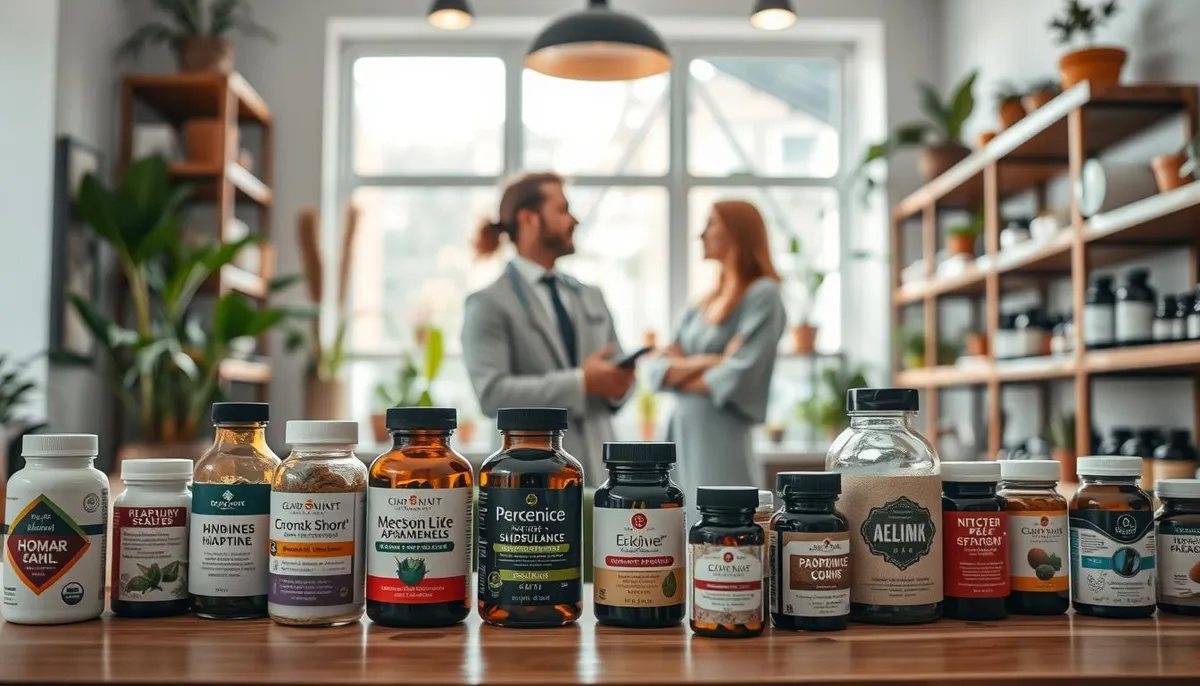
Probiotics represent a complex category with many bacterial strains. Each strain offers different gut health benefits. Targeted selection matters more than general use.
Calcium timing and form affect absorption, especially for postmenopausal women. These specialty options require professional assessment. Platforms like longevity-supplement.com offer personalized guidance for optimal results.
Balancing Whole Foods with Nutritional Supplements
Achieving optimal wellness requires a thoughtful balance between dietary foundations and strategic enhancements. Whole foods provide complete nutritional packages that isolated products cannot replicate.
A diet rich in colorful vegetables, whole grains, lean proteins, nuts, seeds, and legumes delivers essential nutrients in forms your body recognizes. These foods contain fiber, phytonutrients, and beneficial compounds working together.
Food synergy means nutrients in whole foods work together for superior absorption and health benefits. This natural combination supports gut health better than any kind of isolated product.
| Nutrition Aspect | Whole Food Sources | Supplement Forms |
|---|---|---|
| Nutrient Complexity | Complete matrix with fiber and phytonutrients | Isolated, concentrated forms |
| Gut Health Support | Natural prebiotics feed healthy bacteria | Limited microbiome benefits |
| Absorption Efficiency | Enhanced by food components | Designed for bioavailability |
Targeted additions make sense for specific needs like absorption issues or dietary restrictions. The Harvard Healthy Eating Plate offers excellent guidance for building your foundation.
Always optimize your diet first. Supplements work best as precise additions to an already solid nutritional base, not replacements for poor eating habits.
Navigating Social Media and Supplement Misinformation
Scrolling through social feeds can feel like walking through a health marketplace where bold claims compete for attention. Platforms like Instagram and TikTok have become powerful channels for wellness marketing.
Companies use sophisticated microtargeting to reach specific audiences with personalized messages. These tactics often imply disease treatment benefits that would be illegal in traditional advertising.
Identifying Reliable Health Information
Some products gain massive popularity through viral trends. Ashwagandha and green powders became sensations despite limited conclusive evidence supporting their exaggerated benefits.
The regulatory environment creates loopholes for misleading promotion. Testimonials and influencer content can suggest medical benefits without making direct claims.
Watch for these red flags in social media health content:
- Dramatic before/after transformations
- Celebrity endorsements without scientific backing
- Proprietary blends that hide specific ingredients
- Promises of miracle cures or rapid results
Remember that engagement metrics like likes and shares don’t indicate scientific validity. Popularity has no correlation with safety or effectiveness.
| Information Aspect | Reliable Sources | Unreliable Sources |
|---|---|---|
| Evidence Basis | Cites peer-reviewed research | Relies on anecdotes and testimonials |
| Transparency | Discloses all ingredients clearly | Uses proprietary blends hiding contents |
| Credential Verification | Features qualified health professionals | Uses unverified influencers |
| Claim Alignment | Matches established medical guidance | Promises unrealistic results |
Always discuss social media trends with your healthcare provider before trying new products. Many people taking items based on viral trends may be wasting money or risking their health.
Trustworthy platforms prioritize evidence over popularity when curating their offerings. They help you make informed decisions based on science rather than social media hype.
FDA Regulations and the Supplement Industry
The Food and Drug Administration plays a crucial role in overseeing the supplement market, but with important limitations. Understanding these rules helps you make safer choices.
Unlike prescription drugs, these products enter the market without FDA pre-approval. Manufacturers can sell anything they believe is safe.
Understanding Legal Oversight and Label Claims
The FDA treats these items as a special food category. This means much less oversight than pharmaceuticals receive.
What does the FDA actually regulate? They monitor safety issues after products hit shelves. They ensure labels accurately list ingredients and nutritional content. They also prohibit disease treatment claims.
Important gaps exist in regulation. The FDA doesn’t test products for safety or effectiveness before sale. They don’t verify manufacturing quality or accurate dosing.
With over 100,000 different products available, quality varies widely. Some may contain incorrect ingredients or dosages.
Companies can make structure/function claims like “supports immune health.” They cannot claim to “treat diabetes” or other medical conditions. Marketing often implies benefits without making illegal claims.
Current laws place responsibility on consumers to verify quality. Look for third-party testing from organizations like NSF or USP. These tests check for accurate ingredients and contaminants.
Understanding these regulatory limits is crucial for informed decisions. The FDA seal doesn’t exist for these products, so your due diligence matters most.
Practical Guide to Choosing Effective Supplements
Making smart choices about nutritional support requires a systematic approach that prioritizes safety and effectiveness. This practical framework helps you navigate options with confidence.

Step-by-Step Supplement Checklist
Start by identifying your specific health needs. Research evidence for each product’s effectiveness before purchasing.
Always check for third-party testing logos like NSF or USP on labels. Review the ingredients list carefully to avoid unwanted additives.
Watch for added sugar and unhealthy fat in formulations. For example, some protein powders contain sweeteners that may pose risks.
Verify appropriate dosing for your needs. Vitamin D should typically stay under 4,000 IU per day. Magnesium glycinate is a good choice for minimal side effects.
Personalized Nutrition Tips
Tailor your selections to your life stage and health status. If you’re taking multiple products, ensure you don’t exceed safe limits.
Consider timing strategies for optimal absorption. Some work best with meals containing fat, while others are more effective on an empty stomach.
Start low and go slow with new additions like fiber or probiotics. This helps your body adjust gradually.
Keep a record of what you’re taking, including doses and timing. Share this list with your healthcare provider during visits.
Remember that the kind of product matters. Different forms have varying absorption rates and effects on your system.
Conclusion
As we conclude our exploration of longevity strategies, remember that sustainable health comes from personalized approaches. The right nutritional additions can support your wellness journey when used thoughtfully.
Quality matters significantly for daily use. Third-party testing ensures purity and accurate dosing. Always check labels for unwanted additives like extra sugar.
Different groups have specific needs. Women may benefit from calcium support, while older adults might need attention to protein levels. Individual assessment is key.
These products work best alongside a diet rich in whole grains and vegetables. They enhance but cannot replace good nutrition.
Ready to take the next step? Visit longevity-supplement.com to explore premium options inspired by innovative health approaches. Start your personalized journey toward maximizing your life potential today.
FAQ
How do I know if I need to take dietary supplements?
Most people can get the necessary vitamins and minerals from a balanced diet rich in whole grains, lean protein, and fruits and vegetables. However, certain medical conditions, life stages, or diets (like veganism, which can lead to a vitamin B12 deficiency) may create a need. It’s best to consult with a healthcare provider to check your levels before starting any new regimen.
Are protein powders a good addition to my diet?
Protein powder can be a convenient way to help meet your daily protein needs, especially for athletes or older adults looking to maintain lean muscle. Be sure to check the ingredients list for added sugar and artificial sweeteners. They should complement whole food sources of protein, not replace them.
What should I look for on a supplement label to ensure quality?
Look for third-party testing seals from organizations like NSF International or USP. These indicate the product has been verified for ingredient accuracy and purity. Also, check the “Supplement Facts” panel for the amount of active ingredients per serving and confirm there are no unnecessary fillers.
Can taking probiotics improve my gut health?
A> Probiotics can be beneficial for supporting a healthy gut microbiome, which is linked to overall wellness. They are live bacteria found in fermented foods like yogurt and in pill form. The effects can vary from person to person, so it’s wise to discuss with a doctor which kind and strain might be right for you.
How does social media influence supplement choices?
Social media is a powerful tool for health information, but it’s also filled with misinformation. Influencer endorsements aren’t a substitute for scientific evidence. Always cross-reference any health claims you see online with reputable sources like registered dietitians or clinical studies to make an informed decision.
Is there a risk of taking too much of a vitamin, like calcium or magnesium?
Yes, absolutely. While deficiencies are a concern, exceeding the upper tolerable intake levels for minerals like calcium and magnesium can cause adverse effects, such as kidney stones or heart rhythm issues. More is not always better. Stick to the recommended dosages unless directed otherwise by your physician.
What is the FDA’s role in regulating the supplement industry?
The U.S. Food and Drug Administration (FDA) regulates dietary supplements under a different set of rules than those for conventional food and drug products. Unlike drugs, supplements do not need approval from the FDA before they are marketed. The agency primarily acts after a product is on the market if it is found to be misbranded or adulterated.
Are there specific nutritional supplements recommended for women’s health?
Women have unique nutritional needs throughout their lives. Iron is crucial for women of childbearing age to prevent iron deficiency. Calcium and vitamin D are essential for bone health, especially post-menopause. Folic acid is critical for women who are pregnant or planning to be. A healthcare provider can offer personalized advice based on your health status.