
Welcome to your complete guide on discovering the incredible power of nutrition that supports your body’s essential needs. This vital nutrient plays a crucial role in maintaining everything from sharp eyesight to a strong immune system.
We’ll explore how this key element deserves a prominent place in your daily eating habits. Understanding its benefits helps you make informed choices for long-term wellness.
This friendly guide walks you through the best sources available. You’ll learn about both animal-based and plant-powered options that are rich in this important nutrient.
Discover practical tips for maximizing absorption and creating a balanced nutrition plan. Whether you’re looking to prevent deficiency or simply optimize your overall well-being, this article provides the essential insights you need.
Get ready to enhance your wellness with evidence-based information presented in an accessible format. By the end, you’ll have a clear roadmap for incorporating these beneficial choices into your lifestyle.
Key Takeaways
- This essential nutrient supports vision, immune function, and overall wellness
- Both animal and plant sources provide excellent options for your diet
- Proper absorption techniques maximize the benefits you receive
- Balanced incorporation supports long-term health goals
- Understanding different types helps optimize your nutritional intake
- Practical strategies make daily integration simple and effective
- Evidence-based approaches ensure you make informed dietary decisions
Introduction to Vitamin A and Its Benefits
The remarkable benefits of this nutrient extend far beyond what most people realize. This fat-soluble powerhouse operates behind the scenes to keep multiple bodily systems running smoothly.
Your body depends on this crucial element for everything from clear eyesight to strong defenses against illness. Understanding its multifaceted role helps you appreciate why maintaining adequate intake matters.
The Role of Vitamin A in Vision and Immunity
Vision support represents one of the most well-known functions. This nutrient helps your eyes adjust to dim lighting and maintains corneal health.
Your immune system relies heavily on proper levels to stimulate white blood cell production. These cells serve as your body’s defense army against infections and pathogens.
Understanding Deficiency and Overall Health Impact
Even mild deficiency can cause fatigue and increased infection susceptibility. More serious cases may lead to night blindness and skin issues.
The body utilizes this essential compound in two primary forms: preformed vitamin (retinol) from animal sources and provitamin carotenoids from plants. This gives you flexible options for meeting your nutritional needs.
Recognizing the importance of this nutrient helps you make informed choices for long-term wellness. Proper intake supports not just vision and immunity, but also skin health and reproductive capabilities.
Exploring Foods with Vitamin A
Discovering the abundance of nutritional choices that support your well-being opens up exciting culinary possibilities. You’ll find excellent sources across both animal and plant kingdoms.
Animal products deliver preformed nutrients that your body uses immediately. Options like beef, fish, cheese, and eggs provide efficient absorption.
Plant-based selections offer provitamin carotenoids that convert into active forms. Vibrant fruits and vegetables like kale, spinach, and mango bring additional antioxidant benefits.
| Food Category | Examples | Key Feature | Absorption Type |
|---|---|---|---|
| Animal Sources | Beef liver, eggs, cheese | Ready-to-use form | Direct utilization |
| Plant Sources | Spinach, carrots, mango | Conversion required | Provitamin carotenoids |
| Fortified Options | Cereals, dairy products | Added nutrition | Enhanced availability |
Many everyday items already contain added nutritional support. Breakfast cereals and dairy products make maintaining adequate intake simple.
The variety available means you can create flavorful meals that fit your lifestyle. Understanding these options empowers smart grocery shopping and meal planning.
Animal-Based Sources of Vitamin A
The animal kingdom offers powerhouse sources that your body can utilize instantly. These selections deliver preformed vitamin in the form of retinol, requiring no conversion process.
Liver Varieties: Beef, Lamb, and Liver Sausage
Liver stands as the ultimate nutritional champion among animal options. Beef liver contains 7,740 mcg of retinol per serving, while lamb liver provides 7,780 mcg.
Liver sausage tops the charts with 8,310 mcg. Even small portions deliver substantial amounts, making moderation important.
Cod liver oil represents another exceptional choice. Just one tablespoon contains 4,080 mcg of retinol.
Fish Sources and Dairy Delights
Fish varieties offer excellent options for your diet. Bluefin tuna provides 757 mcg, while king mackerel delivers 252 mcg.
Trout supplies 100 mcg and salmon contributes 69 mcg per serving. These fish products combine nutrition with great flavor.
Dairy selections provide consistent amounts of this essential nutrient. Goat cheese contains 82 mcg per ounce, butter offers 97 mcg per tablespoon.
Cheddar cheese provides 74 mcg and eggs deliver 75 mcg each. These animal-based choices come packed with additional health benefits.
Plant-Powered Vitamin A Rich Foods
From deep greens to bright oranges, plant-based selections provide powerful nutritional support through provitamin compounds. These colorful options offer flexible ways to meet your daily needs.
Nutrient-Dense Vegetables like Carrots and Spinach
Vegetables deliver impressive amounts of convertible nutrients. Sweet potatoes lead the pack with 1,920 mcg rae per baked cup.
Carrots provide 1,280 mcg rae when cooked. Spinach offers 943 mcg rae per cooked cup. These vegetables make excellent additions to any meal.
| Vegetable | Serving Size | mcg RAE | % Daily Value |
|---|---|---|---|
| Sweet Potato | 1 cup baked | 1,920 | 213% |
| Carrots | 1 cup cooked | 1,280 | 142% |
| Butternut Squash | 1 cup baked | 1,140 | 127% |
| Spinach | 1 cup cooked | 943 | 105% |
| Collard Greens | 1 cup cooked | 722 | 80% |
How Carotenoids Convert to Vitamin A
Your body transforms carotenoids into active nutrients. This process involves beta-carotene and alpha-carotene conversion.
About 45% of people have reduced conversion ability due to genetics. This makes some vegetables less efficient for certain individuals.
Colorful fruits vegetables signal high carotenoid content. These plant compounds provide antioxidant benefits alongside nutritional value.
Fruits That Pack a Vitamin A Boost
Fruits offer a delicious and often overlooked path to meeting your nutritional goals. While vegetables are famous for carotenoids, many fruits provide impressive amounts too.
These colorful options deliver provitamin compounds that your body converts into active nutrients. They make healthy eating feel like a treat.
| Fruit | Serving | mcg RAE | % Daily Value |
|---|---|---|---|
| Cantaloupe | 1 cup | 270 | 30% |
| Mango | 1 cup | 89 | 10% |
| Grapefruit | 1/2 fruit | 89 | 10% |
| Papaya | 1 cup | 78 | 9% |
| Apricots | 2 fruits | 67 | 7% |
Cantaloupe is a standout choice, with one cup containing 270 mcg rae. Tropical favorites like mango and papaya also contribute significantly.
Even common picks like watermelon and tangerines add valuable nutrition. Research suggests the beta-carotene in these fruits vegetables may help protect against age-related macular degeneration.
Enjoy them in smoothies, salads, or as simple snacks. This easy integration supports your vision and overall wellness sweetly.
Understanding Preformed Vitamin and Provitamin A
Your body processes different forms of this crucial element in distinct ways that impact safety and effectiveness. Knowing these differences helps you create a balanced approach to nutrition.
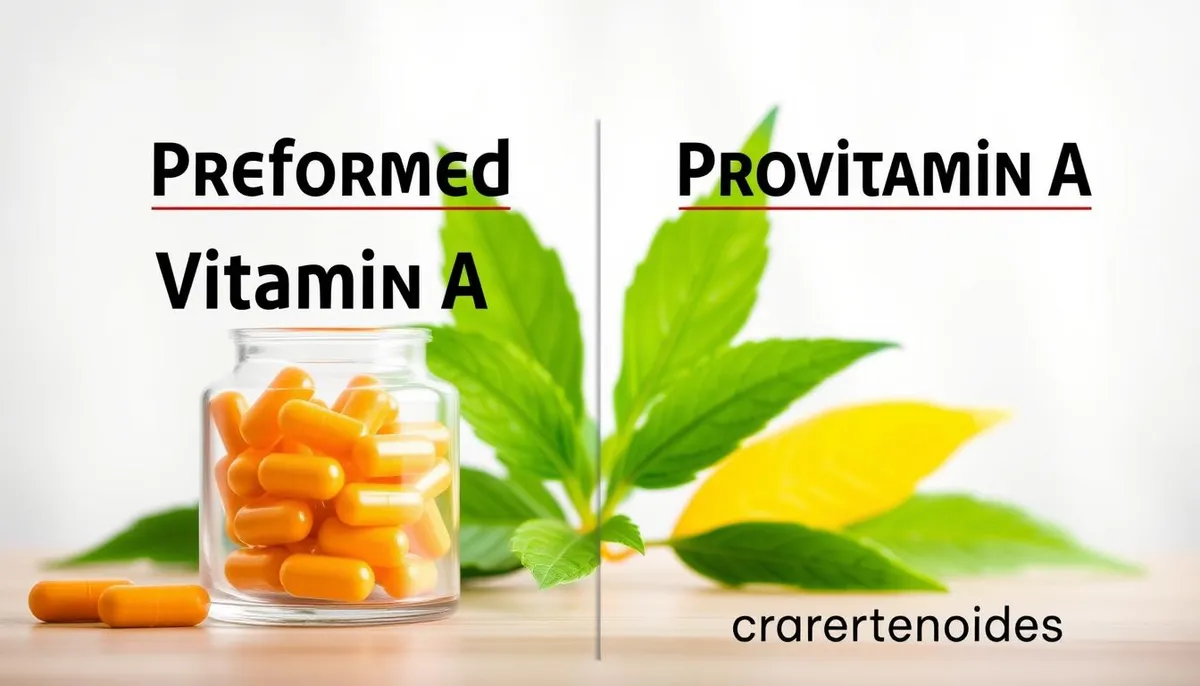
There are two main types of this essential nutrient. Preformed vitamin comes as retinol from animal products. Your body can use it immediately without conversion.
Differences Between Retinol and Carotenoids
Provitamin carotenoids come from colorful plants. Your system must convert them into active retinol. This conversion happens only as needed.
The safety difference is critical. Preformed vitamin (retinol) can reach toxic levels with excessive intake. This is especially true for supplements and liver products.
Provitamin carotenoids remain safe even at high consumption. Your body only converts what it requires. Excess amounts get stored or eliminated.
This knowledge helps you plan meals strategically. Enjoy plant sources freely for sustained nutrition. Include animal products occasionally for immediate retinol support.
Both types work together beautifully in a varied diet. They provide complementary benefits for your overall wellness.
Maximizing Absorption: Nutrition and Supplement Tips
Smart eating goes beyond just choosing the right items – it’s about maximizing their benefits. Understanding absorption techniques ensures your body gets the full value from your dietary choices.
Since this nutrient is fat-soluble, it needs dietary fats for optimal uptake. Adding healthy oils to your meals significantly improves how much your system can utilize.
Best Practices for Vitamin A Absorption
Pair plant sources with fats for better conversion. A simple drizzle of olive oil on salads or cooking vegetables in avocado oil makes a big difference.
For those following specific diets, attention to intake becomes crucial. Vegetarians and vegans may need to consume larger amounts of carotenoid-rich options.
| Absorption Method | Examples | Benefit | Best For |
|---|---|---|---|
| Fat Pairing | Oil in cooking, nuts with vegetables | Enhanced uptake | Plant sources |
| Gentle Cooking | Steaming, light sautéing | Nutrient preservation | All vegetables |
| Supplement Choice | Beta-carotene formulas | Safety focus | Additional support |
| Portion Awareness | Moderate animal products | Toxicity prevention | Retinol sources |
When considering supplements, beta-carotene forms are safer than retinol options. They carry no toxicity risk even at higher amounts.
The fact remains that excessive preformed retinol poses more concern than deficiency in many cases. Staying within recommended limits protects your health while meeting nutritional needs.
Innovative Health Strategies Inspired by Blueprint Bryan Johnson
The frontier of health optimization now extends far beyond basic nutrition, embracing innovative strategies for longevity. Pioneers like Blueprint Bryan Johnson demonstrate how strategic approaches can transform how we age.
Longevity science has evolved dramatically, showing that smart supplementation combined with evidence-based nutrition impacts lifelong wellness. This represents a proactive shift in personal health management.
Integrating Premium Supplements into Your Routine
Adding quality supplements doesn’t replace whole food nutrition—it enhances it. These products help people fill nutritional gaps and achieve optimal levels that diet alone may not provide.
Strategic vitamin optimization supports specific functions like vision clarity and skin vitality. The right compounds amplify cellular repair and immune function mechanisms.
Cutting-Edge Health Insights for Longevity
Modern approaches incorporate biomarker tracking and personalized dosing strategies. Platforms like longevity-supplement.com bring these advanced insights directly to health-conscious individuals.
By embracing these strategies, you actively support skin appearance and build resilience against age-related changes. This comprehensive approach empowers you to influence your biological aging process positively.
Starting your journey toward longer, healthier living means committing to optimization beyond basic needs. It’s about maximizing your potential through informed choices.
foods with vitamin a: Your Guide to Essential Nutrition
Understanding your daily nutritional targets is the first step toward optimizing your health. The Food Drug Administration establishes clear recommended dietary amounts that serve as your roadmap.
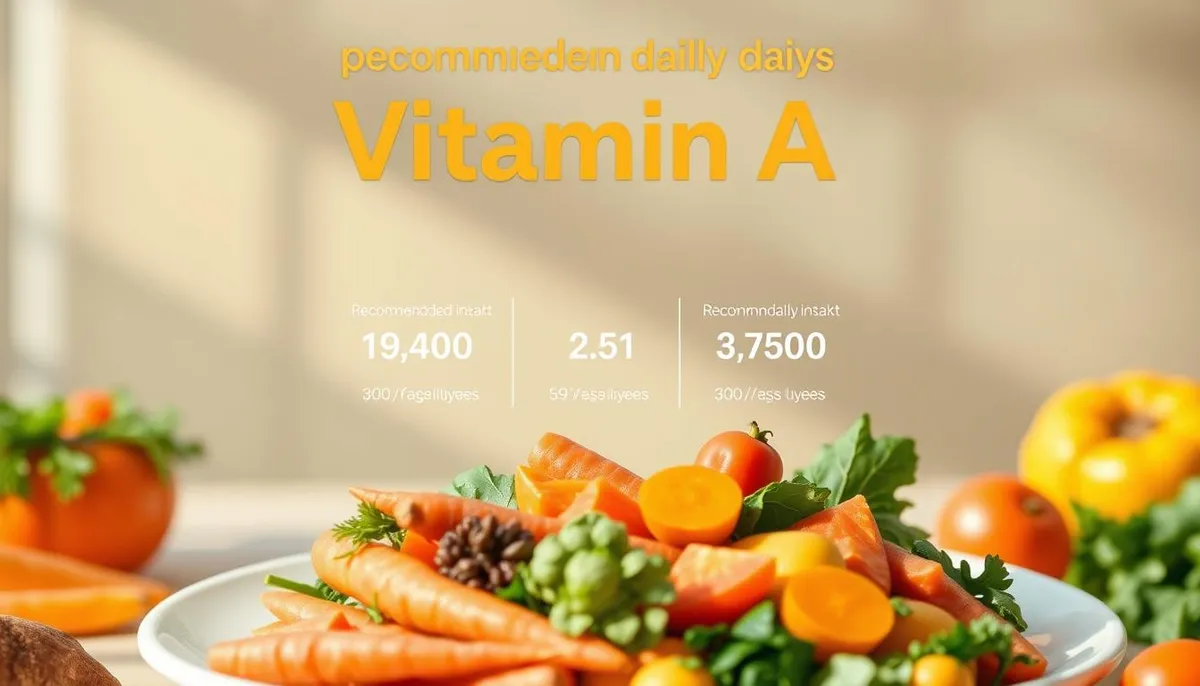
Adult males need 900 mcg daily, while females require 700 mcg. Pregnant and breastfeeding women have higher needs, ranging from 750 to 1,300 mcg depending on age.
Top Listicle Picks and Recommended Dietary Amounts
Animal sources deliver impressive amounts. Beef liver contains mcg levels exceeding 7,740 per serving. Cod liver oil offers 4,080 mcg plus omega-3 fatty acids benefits.
Plant champions include sweet potatoes at 1,920 mcg rae and carrots with 1,280 mcg rae. Spinach provides 943 mcg rae per cooked cup.
Fruits like cantaloupe (270 mcg rae) and mango (89 mcg rae) add sweet variety. These options support vision and may protect against age-related macular degeneration.
Balancing Your Diet for a Longer, Healthier Life
Most people get adequate amounts through normal eating. Combine moderate animal products with abundant plant sources for optimal balance.
This approach provides carotenoids, antioxidants, and fiber. It supports immune function, skin health, and cellular processes without toxicity concerns.
For those seeking extra support, platforms like longevity-supplement.com offer premium supplements. They help fill strategic gaps for exceptional vitality.
Conclusion
As we conclude our exploration, the importance of this vital element for lifelong vitality becomes crystal clear. This essential nutrient supports your body’s fundamental systems in remarkable ways.
From maintaining sharp vision to powering immune defenses, this nutrient delivers comprehensive benefits. The diverse sources available ensure everyone can meet their needs through enjoyable dietary choices.
Understanding the difference between preformed and provitamin forms empowers safe, effective nutrition. Smart absorption strategies maximize the benefits you receive from each meal.
Remember that exceptional health comes from consistent, informed choices rather than perfection. Your journey toward vibrant wellness is now supported by practical knowledge about this crucial vitamin.
FAQ
What are the best foods rich in vitamin A?
Excellent sources include sweet potatoes, carrots, and dark leafy greens like spinach. For animal-based options, beef liver and cod liver oil are incredibly potent. Fruits like mangoes and cantaloupe also provide a healthy dose.
What’s the difference between preformed vitamin A and provitamin A?
Preformed vitamin A, or retinol, comes ready for your body to use from animal products like liver and dairy. Provitamin A comes from plant sources as carotenoids, like beta-carotene. Your body then converts these into active retinol.
How much vitamin A do I need daily?
The recommended dietary allowance (RDA) varies by age and sex. For most adult men, it’s 900 mcg RAE, and for women, it’s 700 mcg RAE. It’s best to check the specific guidelines from health authorities to meet your individual needs.
Can I get too much vitamin A?
Yes, it is possible, especially from high-dose supplements and animal-based sources like liver. This is called hypervitaminosis A. It’s much harder to reach toxic levels from plant-based carotenoids, which makes fruits and vegetables a very safe choice.
How can I improve my body’s absorption of vitamin A from plant foods?
Pairing your veggies with a source of healthy fat can significantly boost absorption. Try drizzling olive oil on a spinach salad or adding avocado to a sweet potato dish. This helps your body utilize the carotenoids more effectively.
Are there any health risks associated with vitamin A supplements?
High-dose supplements can be risky. Some studies, including a systematic review and meta-analysis, have suggested a link between high supplemental intake and an increased risk of prostate cancer. Always consult a healthcare professional before starting any new supplement regimen.