
Welcome to your friendly guide on a powerhouse nutrient essential for your well-being. We’re exploring the incredible world of foods packed with this crucial element. Our journey will help you unlock the secrets to sustained energy and a robust immune system.
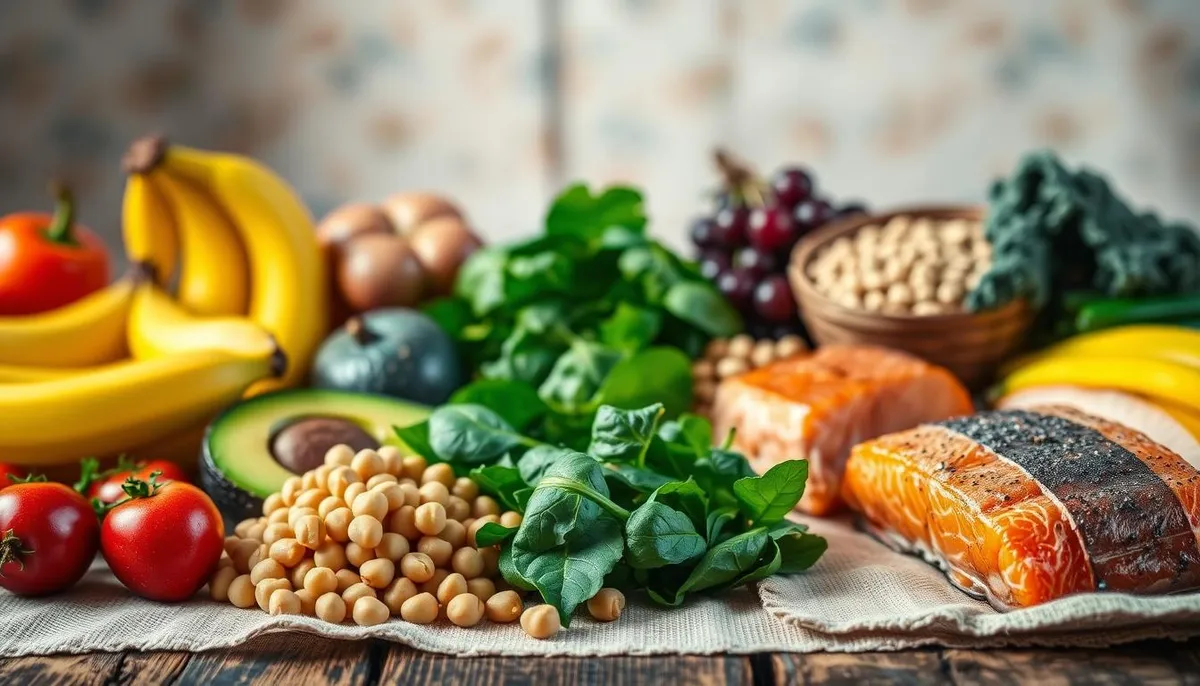
Getting the right nutrients from your daily meals is a cornerstone of good health. This guide focuses on integrating these beneficial items into your eating habits effortlessly. We will look at a wide variety of sources, from animal products to plant-based options.
You will learn not only which items are richest in this vital nutrient but also simple ways to enjoy them. Our goal is to make healthy eating both easy and delicious. We will cover everything from understanding your daily needs to creative meal ideas.
This comprehensive resource is designed to empower you with practical knowledge. Let’s begin the journey toward a more vibrant and balanced lifestyle through smart food choices.
Key Takeaways
- This nutrient is essential for maintaining energy levels and supporting immune function.
- Both animal-based and plant-based foods can be excellent sources.
- Learning to incorporate these items into daily meals is simple and rewarding.
- Understanding your personal daily requirements is a key first step.
- Boosting your intake naturally through diet is an effective strategy for wellness.
Introduction to Vitamin B6 and Its Health Benefits
Often overlooked but critically important, pyridoxine contributes to multiple systems within your body. This water-soluble nutrient serves as a cornerstone for over 100 enzyme reactions that keep you functioning smoothly every day.
The Role of Pyridoxine in Your Body
Pyridoxine helps your body convert proteins, carbohydrates, and fats into usable energy. This fuels everything from morning workouts to evening activities.
The nutrient plays a critical role in immune system health. It promotes antibody and lymphocyte production that helps your body fight off infections.
Your nervous system and brain health also benefit from this essential compound. Pyridoxine supports neurotransmitter creation like serotonin and dopamine.
| Function | Benefit | Body System Supported |
|---|---|---|
| Energy Metabolism | Converts food into fuel | Whole body |
| Immune Support | Produces infection-fighting cells | Immune system |
| Neurotransmitter Synthesis | Regulates mood and cognition | Nervous system |
| Hemoglobin Formation | Carries oxygen in blood | Circulatory system |
Common Deficiency Symptoms and Its Impact
While deficiencies remain uncommon in the United States, symptoms can include anemia and skin rashes. Cracked corners of the mouth and mental changes may also occur.
As a water-soluble compound, any excess pyridoxine is naturally excreted through urine. This makes regular replenishment through diet important for maintaining optimal health.
The anti-inflammatory and antioxidant benefits make this nutrient essential for overall wellness. Proper levels support disease prevention and daily vitality.
Understanding Daily Value and Recommended Intakes
Knowing your specific nutritional targets can transform how you approach meal planning. The National Institutes of Health provides clear guidelines that help you understand exactly what your body needs.
These recommendations serve as helpful benchmarks for maintaining optimal health. They’re designed to support your body’s essential functions throughout different life stages.
NIH Guidelines for Different Age Groups
The National Institutes of Health establishes specific daily value recommendations based on age and life circumstances. For adults between 19-50 years, the target is 1.3 milligrams daily.
As metabolic needs change with age, the daily value increases for older adults. Males over 50 require 1.7 milligrams, while females need 1.5 milligrams.
Special considerations apply during pregnancy and lactation. The recommended amount rises to 1.9 milligrams for pregnant women and 2.0 milligrams for breastfeeding mothers.
Importance of Balancing Your Nutrient Intake
Understanding your personal daily value helps you make informed dietary choices. Most American adults successfully meet their needs through regular food consumption.
Balancing your intake throughout the day is more effective than consuming the entire daily value at once. This approach supports consistent nutrient availability for your body’s processes.
While these guidelines provide general targets, individual needs may vary based on health conditions and activity levels. Use them as helpful references when planning your meals.
b6 vitamin foods: Top Sources from Animal Products
When it comes to efficiently boosting your intake, animal-based options deliver impressive amounts in relatively small portions. These choices provide concentrated nutritional benefits that support overall wellness.

Salmon, Tuna, and Other Seafood
Seafood stands out as a powerhouse for nutritional support. Fresh yellowfin tuna delivers exceptional value with just three ounces providing over 50% of daily needs.
Albacore varieties also rank among top sources, offering heart-healthy selenium alongside their benefits. Sockeye salmon provides substantial amounts while contributing valuable omega-3 fatty acids.
These seafood options pack high-quality protein in every serving. One portion of tuna contains a remarkable 25 grams of protein.
Beef, Chicken Liver, and Eggs
Animal meats offer diverse options for meeting nutritional targets. Beef liver stands out with three ounces supplying more than 50% of requirements.
Regular ground beef provides solid amounts at about 18% per three-ounce patty. This complete protein source also contains brain-boosting compounds.
Poultry options like chicken breast deliver significant benefits. One roasted breast provides 30% of daily needs while supporting metabolism.
Eggs offer incredible versatility across meals. Two eggs contribute 10% of recommended values while being easy to incorporate.
| Food Source | Serving Size | Nutrient Amount | Additional Benefits |
|---|---|---|---|
| Yellowfin Tuna | Three ounces | Over 50% DV | High protein, selenium |
| Sockeye Salmon | Three ounces | 35% DV | Omega-3 fatty acids |
| Beef Liver | Three ounces | Over 50% DV | Complete protein source |
| Chicken Breast | One serving | 30% DV | Metabolism support |
| Eggs | Two eggs | 10% DV | Versatile preparation |
These animal products consistently deliver concentrated nutritional power. Their efficiency makes them excellent choices for daily meal planning.
Plant-Based b6 Vitamin Foods: Nutritious and Delicious
Nature provides an abundant array of plant-powered choices that deliver essential nutrients in tasty, versatile forms. These vegetarian sources offer wonderful diversity for your daily meals while supporting your wellness goals.
Legumes like Chickpeas and Tofu
Chickpeas stand out as a plant-based superstar. One cup of canned chickpeas delivers an impressive 1.1 milligrams of this vital nutrient.
These legumes also provide calcium, folate, magnesium, and potassium. They’re a great source of complex carbohydrates and gut-healthy fiber.
Tofu and tempeh offer excellent soy-based options. A half-cup serving provides meaningful amounts while serving as versatile meat alternatives.
Fresh Vegetables and Fruits Rich in B6
Bananas rank among the few fruits naturally rich in this compound. One medium banana offers 0.4 milligrams plus valuable potassium.
Sweet potatoes provide 15% of the daily value in one medium serving. They also deliver fiber, vitamin A, and magnesium.
Fresh vegetables like spinach, carrots, and avocados contribute solid amounts. They also offer vitamins A and C, healthy fats, and antioxidant content.
While plant-based foods generally contain lower amounts per serving compared to animal products, eating diverse options throughout the day ensures adequate intake.
Creative Ways to Incorporate b6 Vitamin Foods into Your Diet
Unlock the full potential of your pantry staples with these innovative approaches to meal preparation. Simple techniques can transform ordinary ingredients into nutritional powerhouses that support your wellness goals.
Simple Recipes and Meal Ideas
Salmon offers incredible versatility in the kitchen. Try broiling it with low-sugar teriyaki sauce, sesame seeds, and fresh lime for a flavorful twist.
Canned chickpeas make quick additions to salads or braised dishes. Combine them with coconut spinach and lemon for Mediterranean-inspired flavors.
Spinach folds beautifully into Italian meatloaf or omelets. These combinations deliver substantial nutrient amounts in single dishes.
Tips for Combining Foods for Maximum Nutrient Absorption
Pair plant-based and animal sources for diverse intake. Try tuna salad with spinach and carrots, or beef stir-fry with mixed vegetables.
Avocados add healthy fats that improve absorption. Slice them into salads or make fresh guacamole to enhance your meals.
Batch cooking ensures consistent intake throughout the week. Prepare several sweet potatoes or chicken breasts at once for easy meal planning.
Frozen banana slices create natural sweet treats. This approach helps your body receive essential compounds while satisfying cravings.
Inspired by Blueprint Bryan Johnson: Innovative Health Strategies
Blueprint Bryan Johnson’s groundbreaking methodology represents a paradigm shift in how we approach longevity and wellness. His data-driven framework combines precise nutrition with targeted support for optimal results.
Wellness Innovations and Longevity Insights
This revolutionary approach uses personalized metrics to guide health decisions. It emphasizes comprehensive strategies that address multiple aspects of well-being.
The system integrates cutting-edge research with practical daily habits. This creates a sustainable path toward enhanced vitality and life extension.

How Supplements Complement a Nutrient-Rich Diet
While a balanced diet provides essential nutrients, supplements can fill specific gaps. They offer concentrated support when dietary intake falls short.
Certain individuals may benefit from additional nutritional support. Those with restricted eating patterns or specific health needs should consult healthcare providers.
High-dose supplements require medical supervision to avoid potential risks. Getting nutrients from whole food sources remains the safest approach for most people.
Longevity-supplement.com connects you with premium options and science-backed insights. Sign up now and start your journey toward a longer, healthier life.
Connecting with Longevity-Supplement.com for Advanced Health Insights
Modern health optimization goes beyond basic nutrition, embracing innovative platforms that connect science with daily practice. Longevity-supplement.com represents this new approach to wellness, inspired by data-driven methodologies.
Premium Supplements and Their Benefits
The platform offers carefully selected formulations that meet rigorous standards. These products provide targeted support when dietary intake needs enhancement.
Members gain access to science-backed protocols and premium formulations. The selection includes high-quality options designed for optimal absorption and effectiveness.
Community Resources and Exclusive Tips
Beyond products, the platform creates a supportive community focused on shared wellness goals. Members exchange strategies and experiences for comprehensive approaches.
Expert articles and personalized guidance help optimize supplement regimens. The community bridges cutting-edge research with practical daily application.
| Platform Feature | Member Benefit | Wellness Impact |
|---|---|---|
| Premium Formulations | Rigorous quality standards | Targeted nutritional support |
| Expert Guidance | Science-backed protocols | Informed decision making |
| Community Access | Shared experiences | Motivation and support |
| Research Integration | Latest scientific insights | Cutting-edge strategies |
Join today to start your journey toward enhanced vitality with expert support. The platform makes advanced health science accessible and actionable for everyone.
Expert Tips on Maximizing Nutrient Intake and Daily Diet
Practical tips from nutrition experts help bridge the gap between knowledge and daily practice. These strategies make optimal nutrition achievable for busy lifestyles.
Integrating Whole Foods with Supplementation
Health professionals emphasize whole food sources as your primary nutritional foundation. These items provide synergistic compounds that isolated supplements cannot match.
Since this essential compound is water-soluble, your body excretes excess amounts regularly. This makes consistent daily intake through meals more effective than occasional high doses.
Practical Advice for the American Lifestyle
Simple swaps can significantly boost your nutritional profile. Try fortified breakfast cereals, add bananas to your morning routine, or keep canned chickpeas as pantry staples.
Tracking your eating habits for a few days helps identify nutritional gaps. Then strategically add options like tuna or sweet potatoes to fill those needs.
| Population Group | Special Considerations | Recommended Action |
|---|---|---|
| Kidney Disease Patients | Increased deficiency risk | Consult healthcare provider |
| Rheumatoid Arthritis | Higher nutritional needs | Regular blood tests |
| Celiac/Crohn’s Disease | Absorption challenges | Focus on easily digestible sources |
| Excessive Alcohol Consumers | Lower nutrient levels | Dietary assessment first |
Understanding the nutritional content of favorite items empowers informed choices. Use fact sheet information to compare options and optimize your daily eating pattern.
Consult your doctor before adding supplements, especially if you have underlying health conditions. They can assess your current levels through blood tests and fact sheet analysis.
Conclusion
Your journey toward optimal health becomes simpler when you understand how essential nutrients work together. This particular vitamin serves as a powerhouse that helps your body perform countless vital functions.
From supporting your nervous system to promoting healthy red blood cell production, getting adequate amounts makes a real difference. The wonderful variety of sources—from animal products to plant-based varieties—means everyone can find options they enjoy.
Remember that nutrients like this vitamin and vitamin B12 work as a team in your body. Choosing whole food sources provides the full spectrum of benefits nature intended.
View these nutritional choices as delicious opportunities rather than obligations. Each meal becomes a chance to nourish yourself while enjoying fantastic flavors.
Small, consistent decisions about your daily intake create lasting wellness benefits. Your commitment to understanding nutritional value pays dividends for years to come.
FAQ
What are the most common signs that I might not be getting enough of this nutrient?
A lack of this essential vitamin can show up in several ways. You might feel unusually tired, experience mood changes like feeling down or anxious, or have a sore tongue. Some people also notice skin rashes or feel confused. If you’re concerned, it’s a good idea to talk to your doctor for personalized advice.
Can I get my full daily value from plant-based sources alone?
A> Absolutely! Many plant-based foods are packed with this nutrient. Excellent choices include chickpeas, potatoes, bananas, and fortified cereals. Eating a varied diet with these items can help you meet your needs. For example, one cup of canned chickpeas provides a significant amount of your daily requirement.
How does cooking affect the nutrient content in foods like salmon and chicken?
Cooking can cause some loss of heat-sensitive vitamins. To preserve as much of the nutrient as possible, use gentler methods like steaming, baking, or sautéing instead of boiling. For instance, baking a salmon fillet or grilling chicken breast are great ways to keep the goodness intact while making a delicious meal.
Are supplements necessary if I eat a balanced diet?
For most healthy adults eating a varied diet, whole foods are the best way to get your nutrients. However, certain life stages, health conditions, or dietary restrictions might make a supplement helpful. It’s always wise to check with a healthcare provider before starting any new supplement regimen to ensure it’s right for you.
What are some easy meal ideas to boost my intake?
Getting creative in the kitchen is easy! Try a chickpea and tuna salad for lunch. For dinner, a stir-fry with chicken, bell peppers, and spinach served over brown rice is a powerhouse meal. Even a simple snack like a banana with a handful of pistachios can give your levels a healthy lift.
Where can I find reliable information about recommended daily intakes?
The National Institutes of Health (NIH) offers a comprehensive fact sheet with the latest guidelines for all age groups. This is a trusted resource for understanding the recommended dietary allowances and how they apply to you and your family.