
Welcome to your journey toward optimal wellness! This guide explores how simple dietary strategies can unlock your body’s full potential. We’ll show you how to enhance your vitality through natural approaches that support your overall well-being.

Your system produces a crucial signaling molecule that affects many aspects of your wellness. This natural compound helps blood vessels relax and expand, supporting proper circulation throughout your entire system. It ensures oxygen and nutrients reach your organs and tissues efficiently.
At longevity-supplement.com, we connect you with premium resources inspired by Blueprint Bryan Johnson’s innovative approach to wellness. Our platform offers cutting-edge insights for a longer, healthier life through evidence-based strategies.
This article provides actionable, science-backed information about the best dietary choices to naturally boost your body’s production of this vital molecule. You’ll discover how these strategies align with modern longevity science and can help you maintain youthful vitality.
We believe complex health information should be accessible to everyone. Our friendly approach makes it easy to understand how small changes can create significant transformations in your wellness journey.
Key Takeaways
- Your body naturally produces a vital signaling molecule that supports circulation and overall wellness
- Proper blood flow ensures oxygen and nutrients reach all your organs and tissues effectively
- Dietary strategies can naturally enhance your body’s production of this important compound
- Simple changes to your eating habits can support cardiovascular function and cognitive performance
- Modern longevity science offers practical approaches to maintaining youthful vitality
- Evidence-based supplements can complement your dietary efforts for optimal results
- Taking charge of your wellness journey begins with understanding your body’s natural processes
Introduction to Nitric Oxide and Its Health Benefits
Your body contains a powerful signaling agent that orchestrates numerous health processes. This remarkable compound acts as a cellular messenger, facilitating communication between different parts of your system.
Understanding Nitric Oxide’s Role in the Body
This essential molecule serves as a vasodilator, meaning it relaxes and widens your blood vessels. This action promotes optimal circulation throughout your entire system.
Improved blood flow ensures that oxygen and nutrients reach every organ and tissue efficiently. This process supports cardiovascular function and overall vitality.
Key Health Advantages: Blood Pressure, Brain Function, and Performance
Research shows this compound offers extensive protective benefits. It helps maintain healthy blood pressure levels and supports cholesterol management.
The molecule also contributes to cognitive performance and physical endurance. Better circulation means your brain receives adequate oxygen for sharp mental function.
Additional advantages include bone strength maintenance and reduced inflammation. These collective benefits support an active, vibrant lifestyle as you age.
The Science Behind Nitric Oxide Production
Discover the intricate pathway that transforms everyday vegetables into powerful health supporters. Your system uses two main routes to create this essential signaling molecule.
The Nitrate-Nitrite-Nitric Oxide Pathway Explained
When you consume nitrate-rich vegetables, your body begins a fascinating conversion process. Helpful bacteria in your mouth transform these compounds during chewing.
The journey continues as nitrites enter your stomach and bloodstream. Here, they convert into the final beneficial molecule, especially when oxygen levels drop.
This pathway becomes particularly important during physical activity or at high altitudes. Your system efficiently produces what it needs when demand increases.
How Dietary Choices Impact Oxide Production
Specific vegetables excel at supporting this natural process. Leafy greens, beets, celery, and carrots are excellent choices.
Raw cauliflower, broccoli, and radishes also contribute significantly. These plants contain natural antioxidants that ensure safe conversion.
Your nutritional decisions directly influence your body’s ability to generate this vital compound. Choosing the right foods supports optimal circulation and overall wellness.
Nitric Oxide Food: A Guide to Boosting Your Levels
Your kitchen holds powerful tools for supporting optimal circulation and overall vitality. Understanding what makes certain ingredients special helps you make smarter choices for your well-being.
What Makes a Food Source “Nitric Oxide Food”?
Certain ingredients fall into two main categories that support your body’s signaling molecules. The first group contains high levels of dietary nitrates. These compounds convert through a natural pathway in your system.
The second category includes items rich in specific amino acids. These building blocks help your body create essential compounds internally. Both approaches work synergistically to enhance your natural production.
Incorporating these ingredients doesn’t require major diet changes. Simple swaps can make a real difference in your oxide levels. The variety available means there’s something for every preference and budget.
| Food Category | How They Work | Key Components | Benefits |
|---|---|---|---|
| Nitrate-Rich Ingredients | Provide direct precursors for conversion | Dietary nitrates | Immediate support for circulation |
| Amino Acid Sources | Supply building blocks for internal production | L-arginine, citrulline | Sustained support for overall levels |
| Combined Approach | Dual pathway enhancement | Both nitrate and amino acid content | Optimal results for your diet |
This natural approach to boosting your nitric oxide levels proves both effective and sustainable. The upcoming sections will reveal delicious options you can easily incorporate into meals.
Top Foods to Boost Nitric Oxide Naturally
Nature provides a remarkable selection of ingredients that work through different pathways to support your body’s vital signaling molecules. Science highlights ten powerful choices that significantly enhance your levels.
These items offer a comprehensive strategy for optimal circulatory health.
Exploring Superfoods: Beets, Garlic, and Leafy Greens
Certain ingredients stand out for their exceptional abilities. Beets are a true powerhouse, rich in compounds that your body converts efficiently.
Studies show measurable benefits can occur quickly after consumption. Garlic works differently, activating your internal production system.
Leafy greens like spinach and arugula are also excellent sources. Eating them raw can help you get the most from their natural content.
Combining these superstars creates a powerful effect on your wellness.
The Role of Antioxidants and Flavanols
Some foods play a protective role. Ingredients like dark chocolate and pomegranate are packed with antioxidants.
These compounds help shield the important molecules from breaking down. This preservation is crucial for sustained benefits.
Flavanols support blood vessel function for improved circulation. This approach complements the direct production methods perfectly.
You have many delicious and accessible options to boost your health naturally.
Exploring the Power of Beets and Garlic
When it comes to supporting healthy blood flow, beets and garlic stand out as exceptional natural choices. Research shows these common ingredients work through different mechanisms to deliver impressive results.
Scientific Studies and Health Benefits of Beets
Beets contain high concentrations of dietary nitrates that your body converts efficiently. A landmark study with 38 adults showed beet juice supplementation increased signaling molecule levels by 21% within 45 minutes.
Even small amounts make a difference. Research from 2016 demonstrated that just 3.4 ounces of beet juice significantly elevated these important levels in both men and women.
The benefits extend beyond circulation. Regular consumption supports cognitive function, athletic performance, and healthy blood pressure. You can enjoy beets raw, roasted, juiced, or as supplements.
Garlic works differently by activating enzymes that produce these vital molecules internally. Aged garlic extract has shown promise in supporting lipid profiles and maximizing absorption.
Combining both ingredients creates a powerful synergistic effect. They support cardiovascular wellness through complementary pathways.
| Ingredient | Primary Mechanism | Key Benefits | Recommended Form |
|---|---|---|---|
| Beets | Dietary nitrate conversion | Rapid level increase, exercise support | Juice, roasted, raw |
| Garlic | Enzyme activation | Sustained production, lipid support | Aged extract, fresh |
| Combination | Dual pathway enhancement | Comprehensive circulatory support | Meal integration |
This powerful pairing offers accessible strategies for maintaining optimal circulatory function. Incorporating both into your routine provides comprehensive support for your wellness goals.
Benefits of Leafy Greens and Citrus Fruits
Discover the powerful partnership between vibrant leafy greens and zesty citrus fruits. This dynamic duo works together to support your circulatory system in remarkable ways.
Spinach, arugula, kale, and cabbage are packed with natural compounds. Your body converts these elements into important signaling molecules.
How Nitrate-Rich Greens and Vitamin C Work Together
A 2020 study revealed impressive results. A single meal containing these vegetables significantly improved circulatory markers.
Participants showed measurable changes in both upper and lower pressure readings. Regular consumption helps maintain stable levels throughout your system.
Citrus fruits like oranges and lemons provide crucial support. Their vitamin content protects these beneficial molecules and enhances their effectiveness.
This combination offers ongoing cardiovascular protection. Research links regular intake to reduced risk factors and cognitive support.
| Green Vegetable | Key Compound Content | Primary Health Support |
|---|---|---|
| Spinach | Exceptionally high nitrate levels | Rapid circulatory improvement |
| Arugula | Concentrated natural compounds | Blood pressure management |
| Kale | Rich in multiple beneficial elements | Comprehensive vascular support |
| Cabbage | Consistent nitrate availability | Sustained circulatory benefits |
Try adding lemon to spinach salads or orange juice to kale smoothies. These simple combinations maximize the complementary effects for optimal results.
How Meat, Seafood, and Protein Sources Support Nitric Oxide
Animal proteins offer a unique pathway to circulatory support that many people overlook. While vegetables provide building blocks for production, animal sources contain coenzyme Q10 (CoQ10) that helps preserve your body’s existing levels.
CoQ10 works differently than nitrates or amino acids. Instead of creating new molecules, it protects what your system already produces from breaking down. This preservation approach complements production strategies beautifully.
The richest CoQ10 sources include organ meats like liver and heart. Fatty fish such as salmon and mackerel are excellent choices. Regular muscle meats including beef, chicken, and pork also contain significant amounts.
Research shows adequate CoQ10 intake supports multiple aspects of wellness. It can enhance exercise performance and help prevent migraine headaches. Most importantly, it promotes heart health by maintaining proper blood vessel function.
| Food Category | Specific Examples | CoQ10 Content | Primary Benefit |
|---|---|---|---|
| Organ Meats | Liver, heart, kidney | Very high concentration | Maximum preservation support |
| Fatty Fish | Salmon, mackerel, sardines | High levels with omega-3s | Dual heart and brain benefits |
| Muscle Meats | Beef, chicken, pork | Moderate to high amounts | Accessible daily support |
The average diet provides 3-6 mg of CoQ10 daily. Animal proteins contribute approximately 64% of this total. Pescatarians can focus on fatty fish, while omnivores have multiple options.
For comprehensive support, combine CoQ10-rich proteins with nitrate vegetables in the same meal. This strategy addresses both production and preservation for optimal blood flow and overall health.
The Role of Amino Acids in Oxide Production
Beyond vegetables, your system uses protein components to create essential signaling molecules. This amino acid pathway works alongside the nitrate conversion process we discussed earlier.
Your body relies on specific building blocks to maintain optimal circulatory function. These elements support your natural production systems effectively.
L-Arginine and Citrulline: The Building Blocks
L-arginine serves as the direct precursor for your internal synthesis. This semi-essential amino acid converts through enzyme pathways in your system.
Nuts and seeds provide excellent sources of this important component. Walnuts, almonds, and pumpkin seeds are particularly rich choices.
Research involving 2,771 participants demonstrated clear benefits. Higher intake of arginine-rich foods correlated with improved blood levels.
Citrulline offers an alternative approach that many find more effective. This amino acid converts to arginine within your body before supporting production.
Watermelon stands out as nature’s richest source of citrulline. Studies show that supplements can stimulate beneficial effects within hours.
A 2016 trial with eight men revealed significant improvements. Drinking 10 ounces of watermelon juice daily for two weeks enhanced bioavailability.
Incorporating both approaches creates comprehensive support for your wellness goals. Try adding nuts to snacks and enjoying watermelon as a refreshing treat.
Enhancing Exercise Performance with Natural Foods
Unlock your athletic potential through strategic nutrition choices that optimize oxygen delivery to working muscles. The right foods can significantly improve your exercise performance by supporting your body’s natural circulatory processes.
When you engage in physical activity, your muscles demand more oxygen and nutrients. Improved blood flow ensures these vital resources reach where they’re needed most. This reduces fatigue and allows for longer, more intense training sessions.
Improved Circulation and Endurance through Diet
Athletes and fitness enthusiasts experience remarkable benefits from optimizing their nitric oxide levels. Better stamina, enhanced endurance, and faster recovery times are common results. Elite competitors often consume nitrate-rich options before competitions.
Timing matters for maximum impact. Consuming performance-boosting foods 1-3 hours before your exercise routine yields the best results. Your body needs time to process these nutrients effectively.
Beet juice stands out as a popular pre-workout choice. Research shows it can enhance athletic performance within hours of consumption. Watermelon provides citrulline that supports endurance activities.
For sustained energy during prolonged exercise, try nuts and seeds 30 minutes before activity. They supply amino acids that help maintain optimal nitric oxide levels throughout your workout.
These natural strategies boost nitric oxide production without synthetic supplements. They support your body’s natural ability to enhance blood flow and oxygen delivery. This approach leads to measurable improvements in your overall exercise performance.
Maintaining Healthy Blood Pressure Through Diet
Your dietary choices play a direct role in managing one of the most vital signs of cardiovascular wellness. Supporting your body’s natural signaling molecules is a powerful strategy for this goal.
This essential compound helps your blood vessels relax and widen. This action reduces resistance, allowing your blood to flow more easily and lowering the pressure on arterial walls.
Research provides strong evidence for this approach. Studies show that drinking beet juice can lead to significant decreases in both systolic and diastolic blood pressure readings.
Other ingredients contribute through different mechanisms:
- Garlic activates internal production pathways.
- Dark chocolate’s flavanols help protect these beneficial molecules.
- Leafy greens provide direct precursors for conversion.
Even modest reductions through your diet can substantially lower the risk of serious cardiovascular events. This natural method offers advantages like no side effects and additional nutritional benefits.
A practical plan includes daily greens, regular beet juice, added garlic, dark chocolate as a treat, and moderate red wine. This combination works synergistically to improve blood flow and support healthy blood pressure.
Integrating Dark Chocolate and Red Wine for Cardiovascular Health
You might be surprised to learn that two of life’s simple pleasures can significantly benefit your heart health. Research reveals how these enjoyable options support your circulatory system.
Flavanols in Dark Chocolate and Benefits of Moderate Red Wine
Dark chocolate contains natural compounds called flavanols. These powerful antioxidants help your body maintain optimal signaling molecule levels.
A 15-day study showed impressive results. Participants consuming 30 grams daily experienced significant blood pressure reductions. Choose varieties with at least 70% cocoa for maximum benefits.
Red wine offers similar advantages through resveratrol. This compound preserves important molecules in your system. Moderate consumption supports overall heart function.
Studies on Blood Pressure and Improved Blood Flow
Scientific evidence confirms these benefits. Research demonstrates measurable improvements in circulatory markers. Both options work to improve blood vessel function.
Moderate means one glass daily for women, two for men. Excessive amounts cancel out health advantages. The combination creates powerful antioxidant synergy.
| Food/Beverage | Key Compound | Primary Benefit | Recommended Amount |
|---|---|---|---|
| Dark Chocolate | Flavanols | Blood pressure support | 30g daily (70%+ cocoa) |
| Red Wine | Resveratrol | Blood flow enhancement | 1-2 glasses daily |
| Combination | Synergistic antioxidants | Comprehensive heart protection | Moderate consumption |
Enjoy these treats mindfully as part of your wellness routine. They offer delicious ways to support your cardiovascular system naturally.
Practical Tips for a Nitric Oxide-Rich Diet
You don’t need to overhaul your entire lifestyle to see real improvements in your wellness markers. Simple swaps and strategic additions to your daily routine can produce significant results for your circulatory system.
Meal Planning and Smart Food Combinations
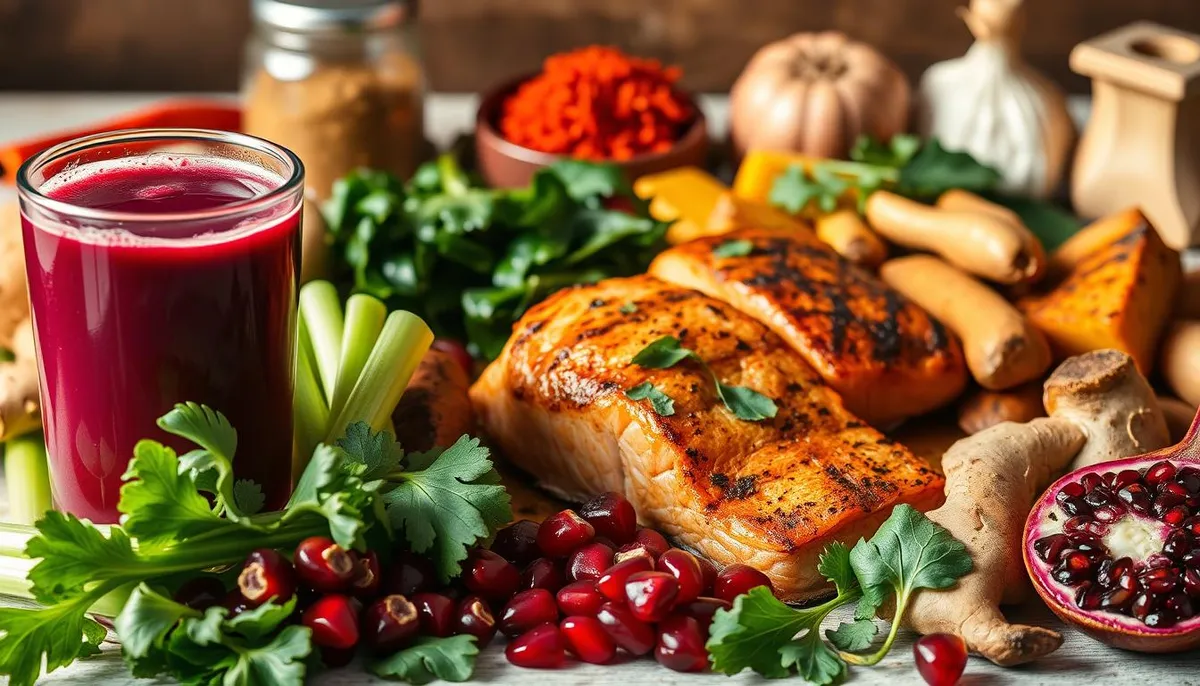
Pairing certain ingredients creates powerful synergistic effects. Combine nitrate-rich greens with vitamin C-packed citrus fruits for enhanced absorption.
Try adding seeds to yogurt or oatmeal for sustained benefits throughout your day. These combinations help boost nitric oxide levels naturally.
Simple Dietary Adjustments for Maximum Benefit
Raw vegetables retain more beneficial compounds than cooked ones. Aim for one serving of raw leafy greens daily in salads or smoothies.
Batch-prep beet juice on weekends for quick weekday consumption. Keep pre-washed greens and variety of nuts accessible for easy snacking.
| Daily Goal | Food Examples | Preparation Tip | Health Benefit |
|---|---|---|---|
| Raw leafy greens | Spinach, arugula | Add to smoothies | Maximum nitrate retention |
| Nitrate vegetables | Beets, celery | Juice or eat raw | Rapid circulatory support |
| Nuts and seeds | Walnuts, pumpkin seeds | Add to meals | Sustained amino acid support |
| Citrus fruits | Oranges, lemons | Pair with greens | Enhanced bioavailability |
This approach makes optimizing your diet achievable and sustainable. Focus on incorporating these foods consistently rather than perfection.
Overcoming Common Challenges in Boosting Nitric Oxide Levels
Various everyday factors work against your body’s natural circulatory support systems. Understanding these obstacles helps you develop effective strategies for maintaining optimal wellness.
Aging naturally reduces your body’s ability to produce essential signaling molecules. This decline can reach 50% by middle age, increasing blood pressure and cardiovascular risk.
Factors That Deplete Nitric Oxide and How to Combat Them
Sedentary habits create a cycle where inactivity impairs molecule production. Regular movement stimulates your system’s natural production pathways.
Smoking introduces compounds that interfere with synthesis and accelerate breakdown. This significantly reduces blood flow and increases disease risk.
Poor dietary choices deprive your body of essential building blocks. Diets low in fruits and vegetables hinder natural production processes.
Combat aging effects by focusing on nutrient-rich choices and considering supplements. Overcome sedentary habits with daily movement routines.
Seek professional support to quit smoking and transform your diet gradually. Add one new supportive food weekly to build sustainable habits.
While aging is inevitable, its impact can be substantially reduced. Conscious lifestyle choices support robust production and optimal body function throughout life.
Conclusion
Taking control of your wellness begins with recognizing the profound impact of simple dietary decisions. The remarkable signaling molecule we’ve explored influences virtually every aspect of your health, from cardiovascular function to cognitive performance.
You have significant power to optimize your nitric oxide levels through accessible choices. Incorporating nitrate-rich vegetables, amino acid sources, CoQ10 proteins, and antioxidant options creates a comprehensive approach to wellness.
This strategy extends beyond single markers to support longevity and vitality. For those ready to elevate their journey, longevity-supplement.com offers premium resources inspired by Blueprint Bryan Johnson’s innovative approach.
The platform provides cutting-edge supplements and insights to complement your dietary efforts. Begin your personalized path toward a longer, healthier life by visiting today.
FAQ
What are the best foods to boost nitric oxide?
Some of the top choices include beets, leafy greens like spinach and arugula, garlic, citrus fruits, and dark chocolate. These items are rich in dietary nitrates, antioxidants, or the amino acid L-arginine, which all support your body’s natural production of this vital molecule.
How can I tell if my nitric oxide levels are low?
While a blood test can measure levels, common signs may include fatigue, slow recovery after exercise, and higher than normal blood pressure. If you’re concerned, it’s always best to consult with a healthcare provider for a proper evaluation.
Can improving my nitric oxide help with high blood pressure?
Yes, absolutely. This molecule helps relax and widen blood vessels, which improves blood flow and can lead to healthier blood pressure. A diet rich in nitrate-packed vegetables is a powerful, natural strategy for heart health.
Do I need supplements, or is food enough?
For most people, focusing on a nutrient-dense diet filled with the right fruits, vegetables, and seeds is sufficient. Supplements like L-citrulline can be beneficial, especially for athletes, but it’s wise to get the foundation from whole foods first.
How quickly can dietary changes affect my levels?
You can see benefits surprisingly fast. Drinking beet juice, for example, has been shown to improve blood flow and lower pressure within hours. Consistent daily intake of nitrate-rich foods leads to more sustained benefits for circulation and exercise performance.
Are there any risks to increasing nitric oxide?
Boosting it through a balanced diet is generally very safe. However, individuals with specific health conditions or those taking medication for blood pressure should talk to their doctor before making significant dietary changes or starting new supplements.