
Welcome to your complete guide on enhancing your well-being through smart nutrition. This resource is your first step toward a future filled with vitality. We explore how simple choices in your daily meals can have a powerful impact on your life.
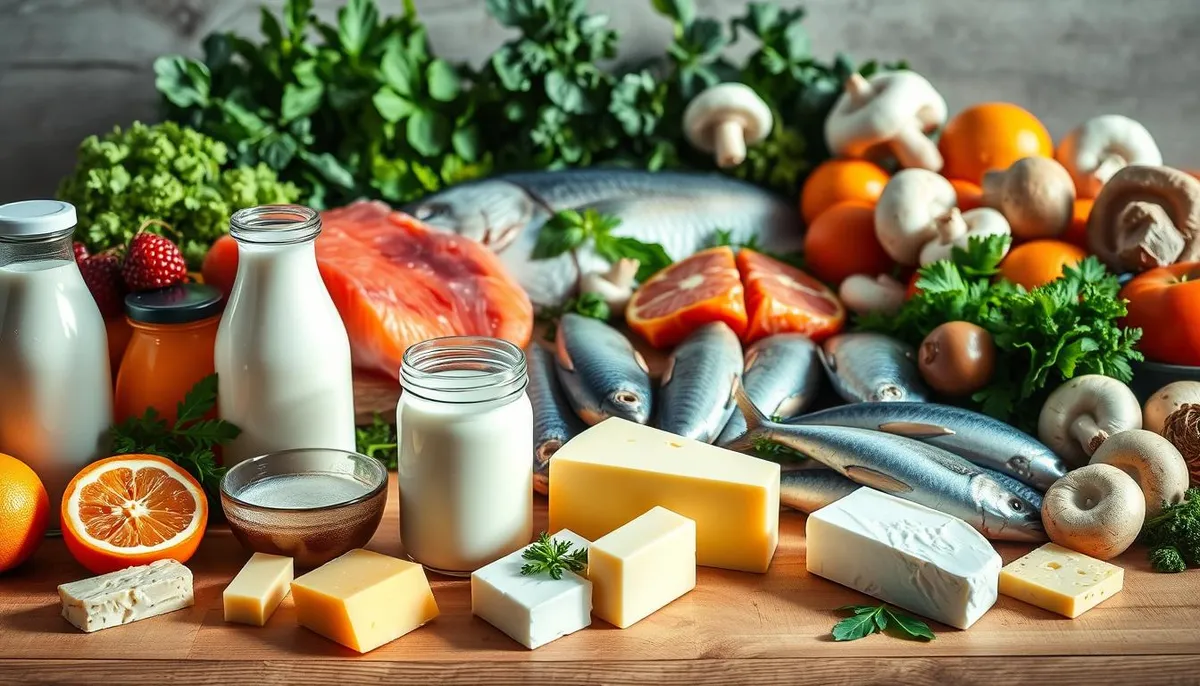
Many people don’t get enough of a crucial nutrient from sunlight alone. This essential compound supports strong bones and a robust immune system. Shockingly, around 1 billion people globally have insufficient levels, making this a widespread concern for all ages and backgrounds.
This guide connects strategic eating with modern wellness approaches. Inspired by methods focused on extending healthspan, we show how targeted nutrition is a key tool. You’ll find practical, actionable information to use right away.
Get ready to learn about natural sources, enhanced options, and simple meal plans. We’ll also cover the latest science linking this nutrient to long-term wellness. Think of this not as complex science, but as your personal roadmap to a healthier you.
Key Takeaways
- Strategic nutrition is a powerful tool for improving overall health and longevity.
- Many individuals worldwide have inadequate levels of this essential nutrient.
- Sunlight exposure alone is often insufficient to meet daily requirements.
- This guide provides practical, immediately actionable knowledge for your diet.
- Learn about various food sources and how they connect to disease prevention.
- Meal planning ideas will help you integrate these choices seamlessly.
Introduction: Embracing a Healthier Life Through Optimal Vitamin D
Taking control of your wellness journey begins with understanding the remarkable dual nature of this essential compound. It functions both as a nutrient from your diet and a hormone your system produces naturally.
How Vitamin D Supports Longevity
This powerful substance plays a crucial role in maintaining strong bones by helping your body absorb calcium and phosphorus. Laboratory research shows it can also reduce cancer cell growth and control inflammation.
Many organs throughout your system contain receptors for this nutrient. This suggests it supports functions far beyond skeletal health, potentially influencing immune response and cardiovascular wellness.
The Inspiration Behind Our Wellness Approach
Our philosophy draws inspiration from Blueprint Bryan Johnson’s data-driven methods for health optimization. At longevity-supplement.com, we combine cutting-edge research with practical strategies.
This platform serves as your gateway to premium supplements and evidence-based health insights. It connects you with a community committed to maximizing life potential.
| Age Group | Daily Recommendation | Key Benefits |
|---|---|---|
| Adults 19-70 years | 600 IU (15 mcg) | Bone maintenance, immune support |
| Adults over 70 years | 800 IU (20 mcg) | Enhanced bone protection, inflammation control |
| All adults | Diet + Supplementation | Comprehensive health optimization |
Optimizing your levels serves as a foundational element in longevity strategies. The benefits compound over time, supporting a vibrant, healthier life.
Join our community at longevity-supplement.com to receive personalized guidance. Start your journey toward defying conventional aging trajectories today.
Understanding Vitamin D and Its Essential Health Benefits
The remarkable synergy between calcium and a key nutrient forms the foundation of lifelong bone vitality. This partnership goes far beyond basic skeletal support, influencing your entire well-being.
Bone Strength and Immune Function
Your body needs this essential compound to properly absorb calcium. Without it, much of the calcium you consume passes through your system unused.
This nutrient acts as a gatekeeper for bone mineralization. It helps maintain strong skeletal structure throughout your life.
The benefits extend to your immune system too. This compound helps regulate inflammation and supports your body’s defense mechanisms.
Risks of Vitamin D Deficiency
Many people face insufficient levels of this crucial nutrient. Statistics show concerning patterns across different populations.
Individuals with darker skin tones naturally produce less of this compound. Melanin pigment reduces synthesis, requiring greater dietary attention.
Prolonged deficiency can lead to serious health conditions. These include bone-softening diseases that affect both children and adults.
Most people don’t get enough from food alone. Strategic choices become essential for maintaining optimal levels.
Exploring Vitamin D Fortified Foods
Have you ever wondered how some everyday items get an extra health boost? This process is called fortification. It involves adding essential nutrients to products during manufacturing.
What Makes a Food “Fortified”?
Fortification is a public health strategy. It helps prevent nutritional gaps in populations. This is especially useful for people with limited sun exposure.
There’s a key difference between natural and enhanced sources. Fatty fish contain the nutrient naturally. In contrast, many cereals and plant milks have it added.
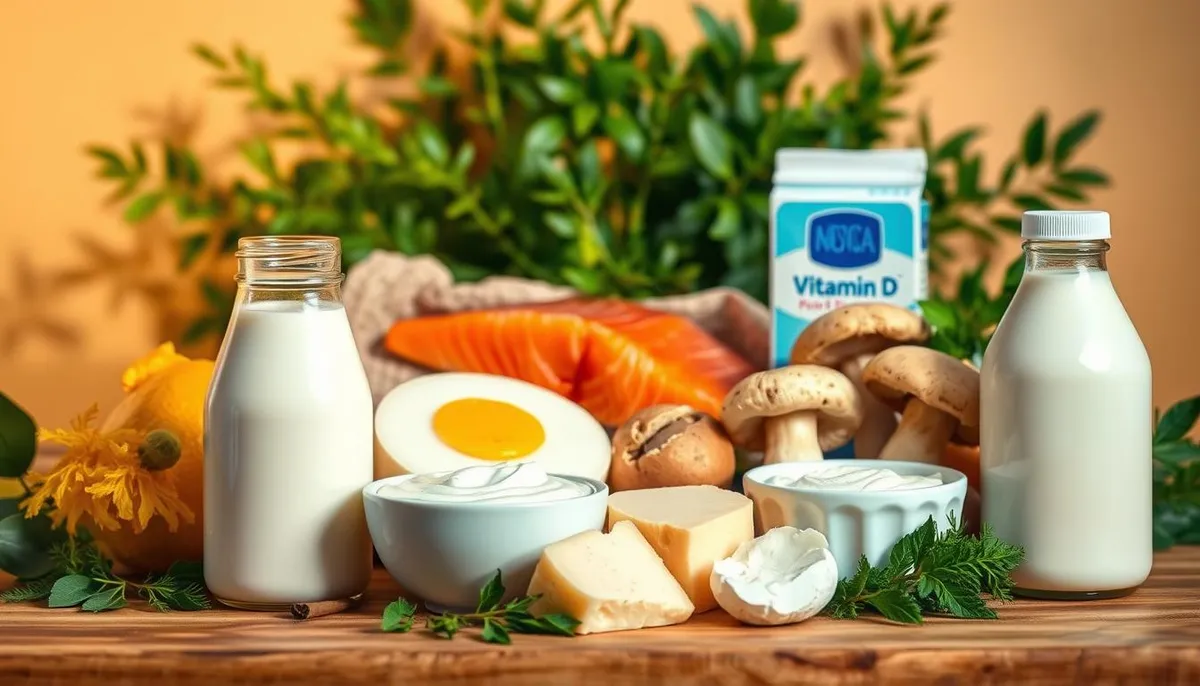
Identifying these enhanced products is simple. Check the Nutrition Facts label. Look for the nutrient listed as a percentage of the Daily Value (DV).
Common fortified items include breakfast cereals, orange juice, and margarine. These are convenient and cost-effective choices. They fit easily into your existing diet.
Always compare labels between brands. The amount of the added nutrient can vary. Choose options with higher DV percentages for a greater benefit.
Natural Sources: Fatty Fish and More
When it comes to natural dietary sources, few options pack as powerful a nutritional punch as fatty fish. These marine varieties deliver impressive amounts of this essential nutrient in every serving.
Salmon, Herring, Sardines: Nutritional Highlights
Different fish offer varying concentrations of this crucial compound. Salmon leads the pack with exceptional nutritional value.
Wild-caught varieties typically contain higher amounts than farmed fish. The natural environment and diet contribute to these differences.
| Fish Type | Serving Size | Nutrient Content (IU) | % Daily Value |
|---|---|---|---|
| Farmed Atlantic Salmon | 3.5 oz (100g) | 441 IU | 55% |
| Wild Baltic Sea Salmon | 3.5 oz (100g) | 556-924 IU | 70-116% |
| Mackerel | 3.5 oz (100g) | 643 IU | 80% |
| Fresh Atlantic Herring | 3.5 oz (100g) | 167 IU | 20% |
| Canned Sardines | 3.5 oz (100g) | 193 IU | 24% |
The Impact of Sunlight on Fish Nutrient Levels
Geographic location significantly affects the nutrient content in fish. Waters with more sunlight exposure produce fish with higher concentrations.
Preparation methods also influence the final nutrient levels. Canned options provide convenience but watch sodium content in pickled varieties.
Eating these seafood choices 2-3 times weekly supports optimal intake. They also deliver heart-healthy omega-3s and high-quality protein.
Fortified Dairy and Plant-Based Alternatives
Common beverages found in most refrigerators can serve as convenient vehicles for important nutritional supplementation. These everyday drinks fit seamlessly into established routines.
Regular cow’s milk provides a consistent source of this essential nutrient. One cup of 2% fortified milk delivers 111 IU, covering about 14% of daily needs. This makes it a reliable choice for daily consumption.
Fortified Milk, Soy Milk, and Orange Juice Explained
Plant-based options often contain higher amounts than traditional dairy. Fortified soy milk offers 185 IU per cup, providing 23% of the daily value. This makes it excellent for vegan or lactose-free diets.
Orange juice is another popular fortified beverage. A single cup provides approximately 100 IU. Choose varieties with less added sugar for optimal health benefits.
Always check product labels carefully. Fortification levels vary significantly between brands. Not all plant milks or juices contain added nutrients.
Remember to shake containers well before pouring. This ensures the added nutrients are evenly distributed throughout each serving.
Eggs and Mushrooms: Surprising Sources of Vitamin D
Eggs and mushrooms might seem like ordinary staples, but they hold extraordinary potential. These common ingredients can play a significant role in your nutritional strategy.
A single large egg yolk provides about 41 IU of this essential nutrient. This contributes 5% toward your daily value, making eggs a convenient addition to meals.

Enhancing Vitamin D Content in Eggs
Farmers can boost the nutrient levels in eggs through clever methods. They sometimes enrich chicken feed or expose hens to UVB light.
Some producers even treat the egg yolks directly with ultraviolet light. These practices create eggs with significantly higher vitamin content.
Look for eggs from pasture-raised chickens that spend time outdoors. These typically contain more of the nutrient than conventional options.
UV-Treated Mushrooms and Their Benefits
Mushrooms offer something truly special for plant-based diets. They’re the only sufficient non-animal source of this compound that isn’t fortified.
Like human skin, mushrooms produce vitamin D2 when exposed to ultraviolet light. Standard commercial varieties grown in darkness contain very little.
UV-treated mushrooms provide an impressive boost. One cup of treated cremini mushrooms delivers 1100 IU – more than a full day’s requirement.
Wild varieties like morels naturally contain higher levels due to sun exposure. When shopping, look for labels indicating “high vitamin D” or “UV-treated.”
Supplement Strategies for Optimal Vitamin D Absorption
Sometimes, even with a well-planned diet, getting the right amount of essential nutrients can be a challenge. This is where supplements become a powerful tool for many people.
Comparing Cod Liver Oil with Vitamin D Supplements
Cod liver oil is a traditional supplement. A single teaspoon provides about 450 IU, which is over half the daily value for most adults.
It also contains vitamin A and omega-3 fatty acids. However, its strong taste is not for everyone.
Most supplements come in two forms: D2 (ergocalciferol) and D3 (cholecalciferol). Research shows D3 is often more effective.
It tends to raise and sustain blood concentrations better than the D2 form.
| Supplement Type | Key Feature | Consideration |
|---|---|---|
| Cod Liver Oil | Contains multiple nutrients | Potent taste |
| Vitamin D3 | Highly effective form | Derived from animal sources |
| Vitamin D2 | Suitable for vegan diets | May be less potent |
Safe Dosages and Supplement Guidelines
Safety is the top priority. The Tolerable Upper Intake Level for adults is 4,000 IU per day.
Do not exceed this amount without a doctor’s supervision. This helps avoid any risk of toxicity.
For best absorption, take your supplement with a meal that contains some fat. Consistency is also key for maintaining optimal levels.
Your individual needs may vary. Factors like skin tone, sun exposure, and overall health can influence your required intake.
Consulting a healthcare provider for a blood test is the best way to get personalized advice. This ensures you take the right amount for your body.
Incorporating Vitamin D Foods into Your Daily Diet
Transforming your daily meals into nutrient-rich experiences doesn’t require complex recipes. Simple additions can make a big difference in meeting your nutritional goals each day.
Quick Meal Ideas and Recipe Inspirations
Start your morning with scrambled eggs featuring UV-treated mushrooms. An egg and avocado breakfast sandwich provides a satisfying foundation for your day.
For lunch, consider tuna salad with cranberries or salmon bowls with quinoa. These midday meals contribute significantly to your daily nutritional targets.
Dinner strategies often feature fatty fish as the centerpiece. One-pan salmon with roasted vegetables makes nutrient-dense dining both delicious and convenient.
Vegetarian options include hearty mushroom stew and zucchini noodles with creamy sauce. Variety prevents monotony while ensuring consistent intake throughout the week.
Simple meal-prep reduces barriers to healthy eating. Grill multiple salmon portions on Sunday or hard-boil eggs for quick snacks.
Remember to include fortified beverages like orange juice or plant-based milk. These small habits accumulate meaningful benefits over time.
Scientific Insights: Research and Studies on Vitamin D
Cutting-edge research provides valuable insights into how nutritional compounds impact our cellular functions and disease resistance. Laboratory investigations show this essential nutrient can reduce cancer cell growth and control inflammation.
Observational studies reveal strong connections between higher blood levels and lower disease rates. Populations with greater sun exposure often show better health outcomes.
Latest Findings Linking Vitamin D to Cancer Prevention
Recent studies examine relationships between nutrient levels and cancer risk reduction. Research focuses on colorectal, breast, and prostate cancers specifically.
Clinical trials using supplements have produced mixed results. This discrepancy may relate to study design and participant baseline levels.
How Studies Inform Our Daily Intake Recommendations
Population research helps shape current intake guidelines. There’s ongoing debate about whether higher amounts provide additional benefits.
Adequate levels are essential for calcium absorption across all life stages. This partnership supports bone health throughout our years.
| Age Group | Daily Calcium Recommendation | Key Consideration |
|---|---|---|
| Children 4-8 years | 1,000 mg | Rapid bone development |
| Children 9-18 years | 1,300 mg | Peak growth period |
| Adults 19-50 years | 1,000 mg | Maintenance phase |
| Adults over 50 years | 1,200 mg | Bone protection focus |
Optimal blood levels generally fall between 50-125 nmol/L for most health outcomes. Personal testing helps create tailored strategies.
Conclusion
As we reach the culmination of our exploration, remember that small, consistent actions create lasting health benefits. Maintaining optimal nutrient levels is fundamental to supporting bone strength, immune function, and overall wellness.
Most adults need 600-800 IU daily, yet many find it challenging to meet this through diet alone. While strategic food choices help, supplements often provide the most reliable approach for consistent intake.
This essential compound represents a cornerstone of modern longevity strategies. Inspired by Blueprint Bryan Johnson’s data-driven methods, optimal nutrition supports both lifespan and healthspan.
Take control of your wellness journey today. Visit longevity-supplement.com to access premium supplements and join a community committed to maximizing life potential. Your path to vibrant, lasting health begins with this simple, impactful step.
FAQ
What are the best foods to get enough of this essential nutrient?
Some of the top sources include fatty fish like salmon and tuna, as well as items that have been enriched, such as milk, orange juice, and many cereals. Egg yolks and beef liver also contain it naturally.
How can I tell if a product has been enriched with this nutrient?
Check the product’s nutrition facts label! Look for the listing under the “Percent Daily Value” section. Many dairy and plant-based items, like soy milk or yogurt, will clearly state that they contain added amounts.
Is getting this nutrient from sunlight better than from my diet?
Sunlight is a fantastic primary source for your body to produce what it needs. However, for many people, especially those in northern climates or who spend most of their time indoors, eating foods high in this nutrient or taking a supplement is crucial for maintaining healthy levels.
Can taking too many supplements be harmful?
Yes, it is possible to get too much of a good thing. Extremely high intake from supplements can lead to health problems. It’s always best to talk with your doctor to determine the right dosage for you, based on a blood test.
Are mushrooms a good source?
Absolutely! Mushrooms that have been exposed to ultraviolet (UV) light can generate significant amounts of this nutrient, making them an excellent option, especially for those following a plant-based diet.
What are the main health benefits of maintaining proper levels?
This nutrient is vital for strong bones because it helps your body absorb calcium. It also plays a key role in supporting your immune system and may help reduce the risk of certain conditions.