
Welcome to an exciting journey into the world of wellness and longevity! Today we explore how a powerful nutrient can transform your health journey. This special fatty acid has captured attention from wellness enthusiasts and longevity experts worldwide.

Your body needs this essential nutrient but cannot produce enough on its own. That makes getting it from external sources absolutely crucial for optimal wellbeing. Inspired by innovative approaches like Blueprint Bryan Johnson’s wellness strategies, we’re here to guide you toward maximizing your life potential.
This comprehensive guide will walk you through science-backed benefits that support everything from heart health to brain function. Whether you want to boost cognitive performance or reduce inflammation, this research-backed solution addresses multiple health concerns simultaneously.
https://longevity-supplement.com serves as your trusted gateway to premium products and cutting-edge health insights. By the end of this article, you’ll have the knowledge needed to make informed decisions about incorporating this powerful nutrient into your daily routine.
Key Takeaways
- DHA is an essential omega-3 fatty acid your body cannot produce in sufficient amounts
- This nutrient plays a vital role in supporting brain function and eye health
- Regular intake may help reduce inflammation and chronic disease risk
- Combined with EPA, DHA offers comprehensive health benefits
- Proper supplementation supports cardiovascular and cognitive wellness
- Quality sources are crucial for maximizing the potential benefits
- Informed choices about intake can significantly impact long-term health
Why DHA Food Supplement is Essential for Your Health
Modern wellness strategies increasingly focus on the building blocks that support cellular function throughout life. Essential fatty acids represent one of these fundamental components that your system cannot produce in sufficient quantities.
Understanding the Role of Omega-3 Fatty Acids
Omega-3s are polyunsaturated fats that perform critical roles throughout your entire body. These compounds provide structural support to cell membranes, enabling proper cellular communication.
Your system requires three main types: ALA (alpha-linolenic acid), EPA (eicosapentaenoic acid), and DHA (docosahexaenoic acid). While ALA comes from plant sources, marine sources provide EPA and DHA directly.
The unique molecular structure of these fatty acids makes them particularly beneficial for reducing inflammation and supporting cardiovascular health. This anti-inflammatory effect contributes significantly to long-term wellness strategies.
The Science Behind DHA and Its Benefits
Docosahexaenoic acid concentrates in brain tissue and retinal cells, where it supports nervous system function. This omega-3 variant helps maintain membrane flexibility and facilitates neural communication.
While your body can convert small amounts of ALA into EPA and DHA, this process proves inefficient. Direct consumption through quality sources ensures adequate levels for optimal performance.
| Omega-3 Type | Primary Sources | Key Functions | Body Concentration |
|---|---|---|---|
| ALA | Flaxseed, walnuts | Energy production | Throughout system |
| EPA | Fatty fish, algae | Inflammation reduction | Cell membranes |
| DHA | Cold-water fish | Brain and eye support | Neural tissues |
Understanding these fundamental roles helps explain why targeted nutritional support has become central to contemporary health optimization approaches.
Top Benefits of DHA Food Supplement for Longevity
Scientific research continues to reveal how targeted nutritional approaches can significantly impact our healthspan and longevity. The impressive cardiovascular benefits documented in recent studies position this nutrient as a cornerstone of anti-aging strategies.
In a notable study involving 154 obese adults, daily intake demonstrated remarkable results within just 10 weeks. Participants experienced a 5.6% increase in their omega-3 index—a marker strongly linked to lower risk of sudden cardiac events.
Boosting Heart Health and Managing Blood Pressure
The same research showed impressive improvements in lipid profiles. Harmful triglycerides decreased by 13.3% while beneficial HDL cholesterol increased by 7.6%. This dual effect creates powerful protection against atherosclerosis and heart disease.
This nutrient also supports healthy blood pressure levels. Research indicates it can reduce diastolic blood pressure by an average of 3.1 mmHg. This reduction helps your blood vessels work more efficiently.
| Health Marker | Improvement | Longevity Impact |
|---|---|---|
| Omega-3 Index | +5.6% | Reduced cardiac risk |
| Triglycerides | -13.3% | Lower atherosclerosis risk |
| HDL Cholesterol | +7.6% | Better heart health |
| Diastolic BP | -3.1 mmHg | Improved vascular function |
Supporting Brain Function and Eye Development
Beyond cardiovascular benefits, this approach supports cognitive health. Adequate intake may significantly reduce your risk of age-related cognitive decline.
These combined benefits make this strategy essential for anyone pursuing longevity. Protecting both heart and brain function represents a powerful way to extend both lifespan and healthspan.
Longevity and Anti-Aging: Cutting-Edge Wellness Insights
Proactive health interventions represent the new frontier in extending both lifespan and healthspan. The modern longevity movement emphasizes prevention over treatment, with strategic nutritional support playing a crucial role.
Embracing Health Strategies to Defy Aging
Blueprint Bryan Johnson’s innovative approach demonstrates how comprehensive wellness optimization can transform aging. This philosophy inspires the resources available at longevity-supplement.com, where evidence-based strategies meet cutting-edge science.
Research reveals compelling connections between omega-3 intake and reduced disease risk. Higher levels of this essential fatty acid correlate with lower incidence of several cancers, including colorectal and breast varieties.
The anti-inflammatory properties of DHA may protect cells from damage that leads to cancerous transformation. This protective effect becomes increasingly important as we age.
Cognitive health research shows equally promising results. Studies indicate that people with Alzheimer’s disease have significantly lower brain levels of DHA compared to older adults with healthy mental function.
A review of 20 observational studies found that higher omega-3 intake was linked to reduced risk of mental decline in most research. Early intervention appears most effective for maintaining cognitive sharpness.
Adults who prioritize their omega-3 intake today invest in their future vitality. This proactive approach aligns with comprehensive wellness strategies that address multiple risk factors simultaneously for maximum longevity benefits.
Effective Strategies to Maximize Your DHA Intake
Getting the right amount of omega-3s requires understanding your individual needs. Different life stages and health goals call for specific approaches to ensure optimal benefits.
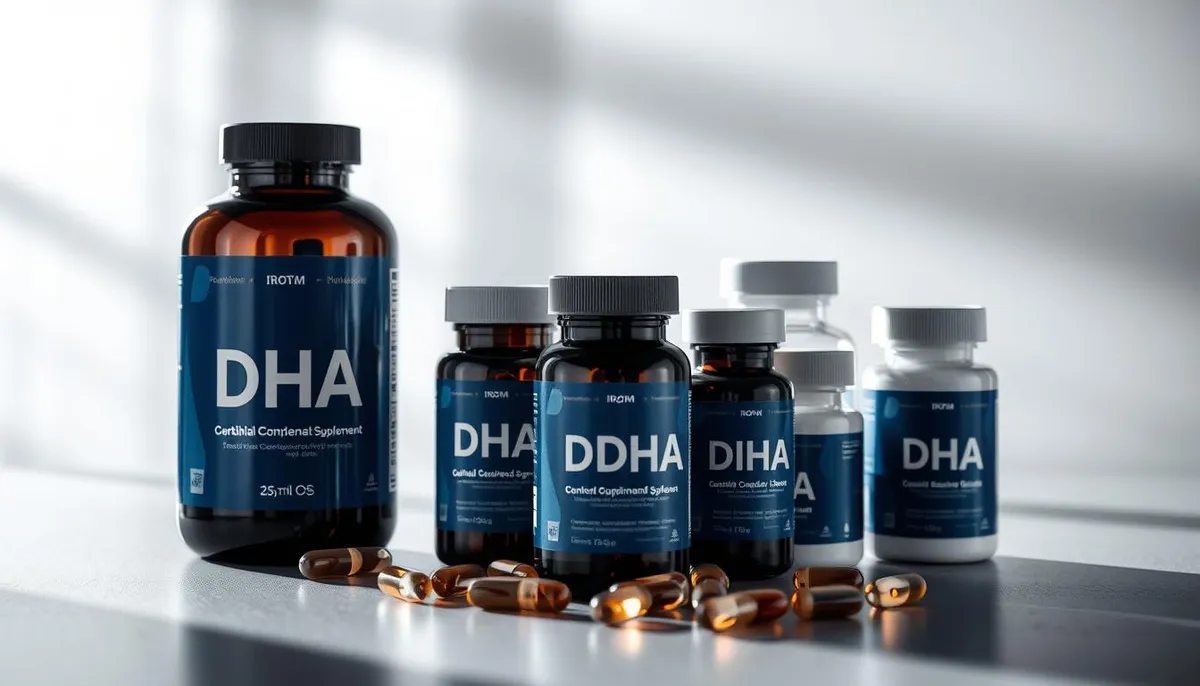
For general wellness, most experts suggest 200-500 milligrams daily of combined EPA and DHA. This amount supports basic cellular function and overall vitality.
Optimal Dosages for Various Life Stages
Regulatory bodies provide clear safety guidelines for maximum intake. The FDA recommends staying under 3,000 milligrams total from all sources.
Higher amounts may be beneficial for specific conditions. Always consult your healthcare provider before exceeding standard recommendations.
| Life Stage | Recommended Amount | Key Benefits |
|---|---|---|
| General Health | 200-500 mg daily | Maintenance of cellular function |
| Pregnancy | 600-800 mg daily | Reduced preterm birth risk |
| Therapeutic Use | 2,700-3,000 mg daily | Cardiovascular and muscle support |
| Plant-Based ALA | 1.1-1.6 grams daily | Foundation for conversion |
Practical intake methods make consistency easy. Three ounces of fish twice weekly provides substantial amounts.
Premium options from trusted platforms ensure reliable daily intake. This approach eliminates guesswork while supporting your longevity goals.
How DHA Supports Mental Clarity and Cognitive Performance
Your brain’s ability to maintain focus and emotional balance plays a crucial role in your overall quality of life. This essential fatty acid serves as the primary omega-3 in your brain, helping increase blood flow during mental tasks.
Improving Focus and Attention in Daily Life
Research reveals that both children and adults with attention challenges often have lower levels of this important nutrient. A large study with 362 children showed impressive results—those taking 600 mg daily experienced an 8% reduction in impulsive behaviors.
Another study demonstrated even more significant benefits. Boys taking combined omega-3s alongside their regular medication saw a 15% decrease in attention problems. Seven out of nine studies confirm these positive effects on focus and behavior.
Enhancing Mood and Reducing Depression Risk
The mood-supporting benefits are equally compelling. A Norwegian study involving approximately 22,000 adults found that daily omega-3 intake reduced depression symptoms by 30%.
This nutrient supports serotonin function and provides anti-inflammatory effects on nerve cells. Together, these mechanisms create a healthier neurological environment that reduces depression risk.
Maintaining optimal levels supports both cognitive function and emotional resilience. This makes it essential for comprehensive wellness strategies aimed at longevity and quality of life.
DHA and Inflammation: Enhancing Recovery and Reducing Risks
Chronic inflammation represents a hidden threat to our long-term wellness, quietly contributing to numerous age-related health challenges. The powerful anti-inflammatory effects of omega-3 fatty acids make them valuable allies in combating this silent danger.

Modern diets often create inflammatory imbalances through excessive omega-6 consumption. Increasing your intake of these beneficial fats helps restore a healthier ratio that supports your body‘s natural ability to regulate inflammation.
Reducing Muscle Soreness Post-Exercise
Strenuous workouts trigger muscle inflammation that can limit training consistency. Research shows these omega-3s offer natural support for enhancing recovery and maintaining active lifestyles.
In one study, women taking high dha levels experienced 23% less muscle soreness after exercise. Another trial with men using a dha epa combination completely prevented the decrease in range of motion seen in placebo groups.
These effects demonstrate how maintaining optimal dha epa levels supports recovery processes. This approach helps reduce inflammatory burden throughout your life.
The combination of dha epa provides comprehensive protection against exercise-induced inflammation. Consistent intake supports both immediate recovery and long-term wellness goals.
Integrating DHA and Omega-3 Fatty Acids into Your Diet
Making omega-3 fatty acids a consistent part of your daily routine requires smart planning and practical strategies. The American Heart Association recommends eating at least two servings of fish weekly for optimal cardiovascular support.
Food Sources Versus Supplement Options
Fatty fish like salmon and sardines provide excellent dietary sources of these essential compounds. A 3-ounces serving delivers substantial amounts of beneficial dha epa compounds.
For those who cannot consume seafood, plant-based alternatives offer valuable options. Algae oil provides direct access to these vital nutrients without marine products.
Practical Tips for Daily Incorporation
Keep frozen fish fillets handy for quick meals. Choose canned salmon or sardines for convenient lunches. These simple habits make consistency effortless.
Premium fish oil options ensure reliable intake when whole food consumption proves challenging. Establishing a regular supplement routine supports your long-term wellness goals effectively.
Whether through whole foods or concentrated forms, maintaining adequate levels supports all the remarkable benefits discussed throughout this comprehensive guide to health optimization.
Conclusion
Building a foundation for lifelong wellness starts with recognizing which nutrients deliver comprehensive benefits across multiple systems. The remarkable range of advantages spans from cardiovascular protection to cognitive support and anti-inflammatory effects.
Since your body cannot produce adequate amounts on its own, consistent intake becomes essential for maintaining optimal health and reducing disease risk. This approach supports every life stage—from prenatal development to healthy aging.
For general wellness, aim for 200-500 mg daily of combined dha epa. This strategy aligns perfectly with Blueprint Bryan Johnson’s evidence-based approach to longevity.
Ready to transform your health journey? Visit longevity-supplement.com today to access premium dha supplements and expert guidance. Start building your foundation for a vibrant, healthier future now.
FAQ
What is the difference between DHA and EPA?
Both are vital omega-3 fatty acids found in fish oil. Docosahexaenoic acid (DHA) is crucial for brain structure and eye health, while eicosapentaenoic acid (EPA) is more focused on reducing inflammation and supporting heart function. A good supplement often contains both for comprehensive benefits.
Can taking a DHA supplement help lower my blood pressure?
Yes, it can contribute to healthier blood pressure levels. Omega-3s, including DHA and EPA, help improve blood vessel function and can have a modest effect on reducing high blood pressure, especially when combined with a balanced diet and exercise.
Are there any side effects or risks associated with DHA supplements?
For most people, these supplements are very safe. Minor side effects can include a fishy aftertaste or mild digestive upset. It’s always wise to talk to your doctor before starting, especially if you take blood-thinning medications, as high amounts can thin the blood.
How much DHA should I take daily for optimal health?
The ideal amount varies by age and health goals. Many health organizations suggest 250-500 milligrams of combined DHA and EPA for adults. For specific needs like supporting heart health or during pregnancy, your doctor might recommend a different dosage.
What are the best food sources of DHA if I don’t like fish?
Fatty fish like salmon and mackerel are top sources. If you’re not a fan, you can find these healthy fats in algae-based supplements, which are a direct source of docosahexaenoic acid. Some eggs, milk, and yogurt are also fortified with omega-3s.
Can DHA really help reduce the risk of Alzheimer’s disease?
Research is promising. Maintaining healthy levels of DHA supports overall brain function and may help lower the risk of cognitive decline. While it’s not a guaranteed prevention, it’s a powerful part of a brain-healthy lifestyle.
Is fish oil the only way to get these important fatty acids?
Not at all! While fish oil is a common source, you can also get DHA and EPA from eating fatty fish directly. For a vegetarian option, algae oil is an excellent source that provides docosahexaenoic acid without any fish products.