Welcome to your guide on living a longer, healthier life. We will explore how simple nutritional choices can have a powerful impact on your well-being. This journey focuses on a specific, essential nutrient that plays a starring role.
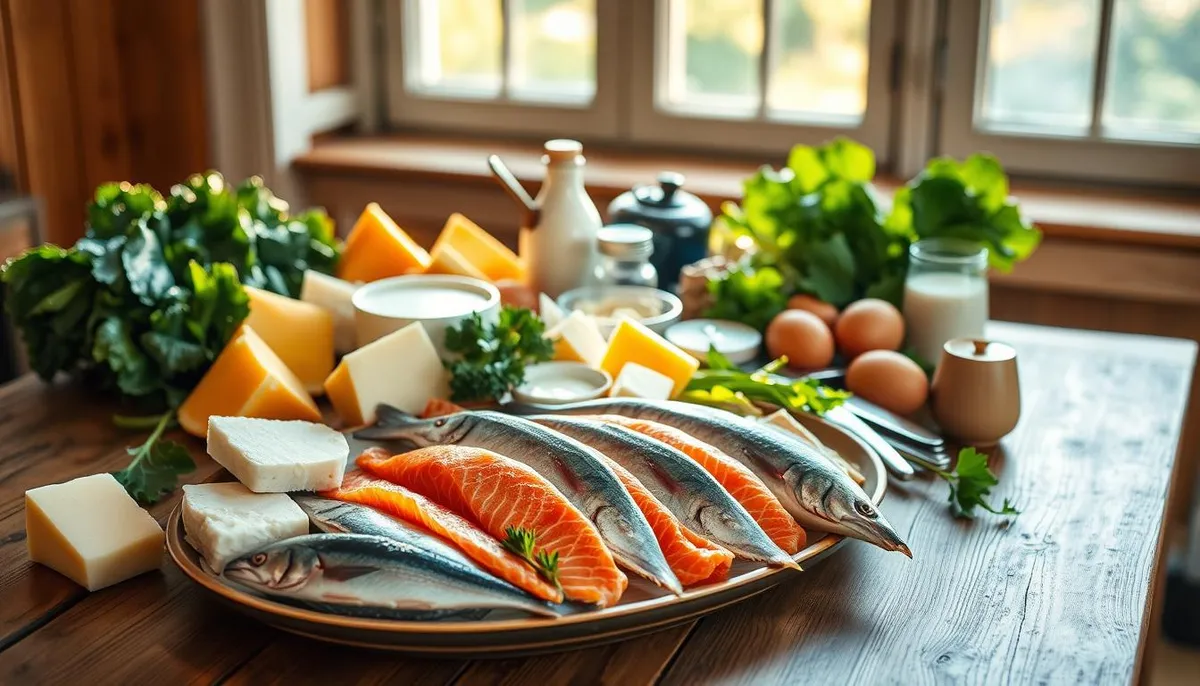
This critical nutrient supports strong bones and a robust immune system. Our bodies can create it from sunlight, but modern life often keeps us inside. This makes getting enough from our diet very important for maintaining good health.
For adults, the target is 600-800 IU daily. Sadly, many people do not meet this goal. Falling short can put your long-term wellness at risk.
This article will show you the best natural sources and fortified options. You will learn practical strategies to boost your levels effectively. Our friendly approach makes it easy to add these powerful foods to your routine.
Key Takeaways
- This nutrient is crucial for bone strength and immune function.
- Sunlight is a primary source, but diet is often necessary.
- The recommended daily intake for adults is 600-800 IU.
- Many individuals do not get enough from their current lifestyle.
- Strategic dietary choices can help you reach optimal levels.
- This guide offers simple, effective ways to improve your intake.
Understanding Vitamin D and Its Role in Longevity
This essential nutrient operates more like a master regulator than a simple vitamin, influencing systems crucial for aging well. It acts almost like a hormone in the body, regulating numerous biological processes.
Its most famous job is helping your body absorb calcium. Without enough of it, even a calcium-rich diet won’t fully protect your bones from deterioration. This is vital for long-term skeletal health.
Importance for Bone Health and Immune Function
Maintaining proper levels helps your immune system fight infections. It may also reduce the risk of autoimmune conditions that become more common with age.
Deficiency is surprisingly common. About 1 in 6 adults have low blood levels. This increases their risk for complications that can shorten a healthy lifespan.
The Link Between Vitamin D, Sunlight, and Supplements
Our bodies produce this nutrient from sunlight. Just 5-30 minutes of sunlight twice a week can suffice. However, UV ray exposure carries a skin cancer risk.
This makes diet and supplements safer primary sources. Most adults need 400-800 IU daily. This amount depends on age, location, and skin tone.
Emerging research connects higher blood levels with a lower risk of certain cancers, like colorectal and prostate. Low levels may also be a factor in cognitive decline.
When considering supplements, it helps to know the difference between two main types.
| Type | Primary Source | Potency |
|---|---|---|
| Vitamin D2 (Ergocalciferol) | Plants (like mushrooms) | Standard |
| Vitamin D3 (Cholecalciferol) | Animal sources (like fish oil) | Slightly more potent |
Understanding your personal need is the first step. It supports multiple body systems for optimal function throughout life.
Natural Vitamin D Sources for a Healthier Life
Looking to your plate is one of the most effective ways to ensure you’re getting the essential support your body needs for a long, healthy life. Incorporating specific items into your diet can make a significant difference.
We will explore the best options available. These choices are both delicious and powerful.
Fatty Fish and Their Superior Content
Oily fish are true superstars. A single serving of salmon or mackerel can provide over half your daily requirement.
Wild-caught salmon often has a higher content than farmed. Rainbow trout is another excellent choice, offering a concentrated source.
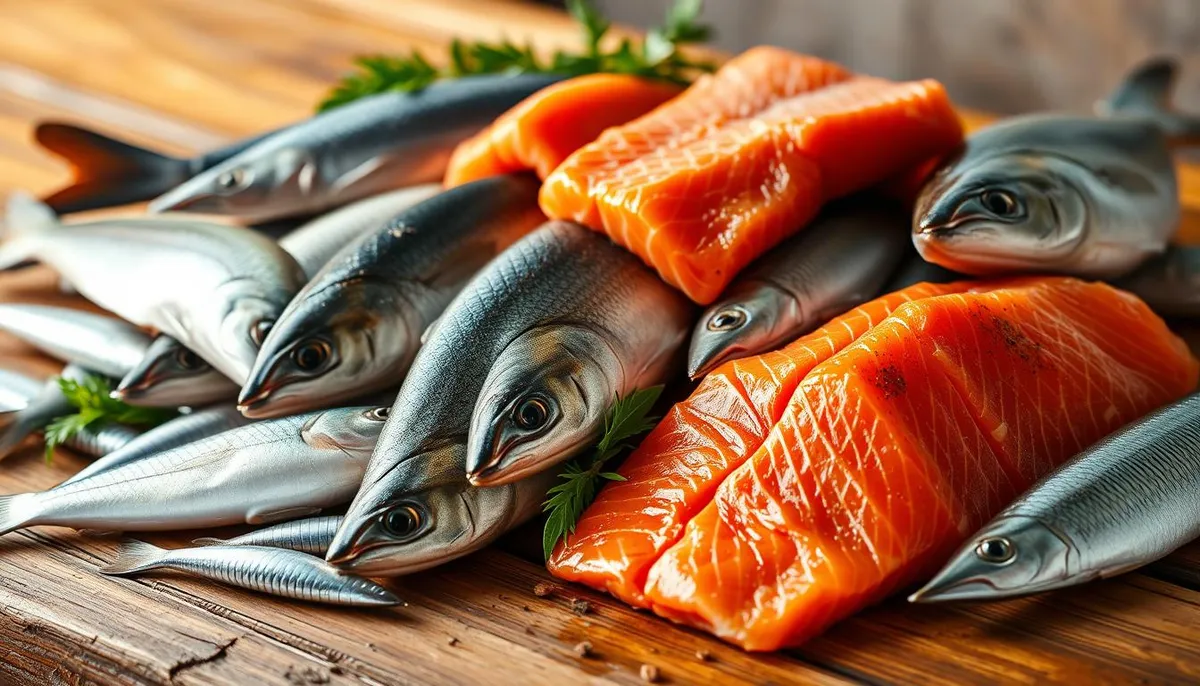
Canned options like sardines and light tuna are convenient and shelf-stable. They are also a good source of protein.
| Fish | IU Amount | % Daily Value |
|---|---|---|
| Rainbow Trout | 645 IU | 81% |
| Wild Sockeye Salmon | 570 IU | 71% |
| Mackerel | 643 IU | 80% |
| Canned Sardines | ~200 IU | 25% |
| Canned Light Tuna | 269 IU | 34% |
Eggs, Mushrooms, and Other Versatile Options
Eggs are an accessible daily option. The yolk from one large egg provides a small but valuable amount.
Choose eggs from pastured chickens for enhanced content. Mushrooms are the only sufficient plant-based source.
Their levels soar when they are exposed to UV light during growing. UV-treated cremini mushrooms can be an incredibly potent source.
Cod Liver Oil and the Benefit of Canned Tuna
For those who don’t enjoy eating fish, cod liver oil is a highly efficient alternative. Just one teaspoon delivers a significant dose.
When selecting canned tuna, opt for “light” varieties from smaller fish. This choice is lower in mercury, making it safer for regular consumption.
Rotating these sources ensures consistent intake and a diverse nutrient profile for overall health.
Reliable Foods with Vitamin D to Boost Your Diet
Many everyday grocery items now come with an added nutritional boost that supports long-term wellness. Fortification has become a smart public health strategy to address common gaps.
Fortified Milk, Soy Milk, and Orange Juice Options
In the United States, standard cow milk receives a significant fortified vitamin addition. Each cup provides about 111 IU, making your morning routine a reliable source.
Plant-based alternatives like soy milk often contain even higher amounts. They deliver around 185 IU per serving, surpassing regular dairy options.
Fortified orange juice contributes approximately 100 IU per cup. Choose low-sugar varieties to maximize health benefits from this breakfast staple.
Balancing Calcium Needs with Vitamin D Intake
The partnership between this essential nutrient and calcium is crucial for bone strength. Without adequate levels, your body cannot properly absorb the mineral.
Adults need 1,000-1,200 mg of calcium daily depending on age. Combining fortified dairy with calcium-rich items creates an ideal strategy for skeletal health.
Check nutrition labels to identify products that contain vitamin additions. This ensures you’re getting the consistent support your body needs year-round.
Maximizing Vitamin D Absorption and Longevity Benefits
Optimizing nutrient absorption is key to translating dietary choices into tangible health benefits. This essential compound is fat-soluble, meaning your body absorbs it best when consumed with healthy fats.
You don’t need to pair every source with oils. Simple strategies work well. Enjoy fatty fish that naturally contain both the nutrient and beneficial fats. Cook eggs with a little butter or avocado.

Effective Dietary Tips to Enhance Absorption
The recommended daily target varies. In the United States, the daily value is 800 IU. International guidelines often suggest 400 IU. Your personal needs depend on age and sun exposure.
While deficiency is common, taking too much can cause problems. Excessive amounts may lead to nausea or kidney issues. Balance is crucial for your body’s well-being.
During October to March in northern areas, sunlight decreases significantly. Even a rich diet may not provide enough. Supplementation becomes important during these months.
| Vitamin D Source | Absorption Enhancer | Meal Idea |
|---|---|---|
| Fortified milk | Whole grain cereal | Breakfast bowl with nuts |
| Canned salmon | Olive oil dressing | Salad with avocado |
| Egg yolks | Cooked in coconut oil | Scrambled eggs with toast |
| UV-exposed mushrooms | Sautéed with butter | Side dish with herbs |
People who spend little time outdoors need extra attention. The same applies to those with darker skin tones or older adults. Watch for fatigue or bone pain as potential deficiency signs.
Spread your intake throughout the week. Your body stores this nutrient in fat tissue. This creates reserves for times when sun exposure is limited.
Preventing deficiency through strategic diet choices supports long-term wellness. Whole food sources provide additional benefits like omega-3s and protein.
Blueprint Bryan Johnson’s Influential Health Strategies
In the quest for extended healthspan, data-driven innovators like Bryan Johnson are reshaping how we approach nutritional optimization. His Blueprint protocol emphasizes precise biomarker tracking to maintain optimal health.
This method ensures you meet your nutritional needs through smart combinations of whole foods and strategic supplements.
Incorporating Premium Supplements into Your Routine
Quality supplements fill gaps that even the best diet might leave. D3 forms are preferred for raising blood levels effectively.
Regular testing helps reduce deficiency risk and supports strong bones. This proactive approach aligns with modern longevity science.
Innovative Dietary Changes for Defying Aging
UV-exposed mushrooms provide an exceptional amount of this essential nutrient. Pastured egg yolks offer another valuable source.
Wild-caught fish choices complement these foods beautifully. Combining these strategies creates a comprehensive approach to health optimization.
Platforms like longevity-supplement.com embody this innovative philosophy. They offer curated solutions for those serious about maximizing their vitality.
Conclusion
Your journey toward optimal health and extended wellness relies on practical, daily choices. This essential nutrient plays a vital role in supporting strong bones and immune function throughout life.
While sunlight can trigger production, dietary sources and supplements offer safer, more consistent results. Fatty fish, eggs, fortified products, and UV-exposed mushrooms provide excellent options.
Remember that achieving your longevity goals involves a comprehensive approach. Balanced nutrition, regular activity, and stress management all contribute to lasting well-being.
For those ready to take their health optimization seriously, longevity-supplement.com offers premium resources inspired by innovative protocols. Start making informed choices today for a vibrant tomorrow.
FAQ
What are the best natural sources of this essential nutrient?
Some of the top natural sources include fatty fish like salmon, mackerel, and sardines. Egg yolks and mushrooms that have been exposed to ultraviolet light are also excellent choices. Cod liver oil is a particularly potent source.
I don’t eat fish. How can I get enough in my diet?
A> No problem! Many common items are fortified to help you meet your needs. Look for fortified cow’s milk, soy milk, orange juice, and some cereals. Eggs and UV-exposed mushrooms are also great versatile options for any diet.
Why is this nutrient so important for my health?
It plays a starring role in helping your body absorb calcium, which is crucial for strong bones. It also supports your immune system function. Maintaining healthy blood levels is linked to better overall health and longevity.
Can I get enough just from sunlight?
Sunlight is a primary source for many people. However, factors like your location, skin tone, the season, and sunscreen use can affect how much your body produces. For consistent intake, especially in winter, relying on a combination of sunlight, diet, and sometimes supplements is a smart strategy.
How does fortified milk compare to other options?
Fortified cow’s milk is a fantastic and widely available choice. It not only provides a good amount of the nutrient but also contains calcium, which works synergistically with it for bone health. Soy and almond milks are often fortified to similar levels, making them great alternatives.
Are supplements necessary for most people?
It depends on your lifestyle, diet, and sun exposure. Many individuals can meet their recommended daily value through a combination of sunlight and food. However, for those at risk of deficiency—such as people with limited sun exposure or certain dietary restrictions—a supplement can be a reliable way to ensure adequate levels. Always consult with a healthcare provider for personalized advice.