
Welcome to your journey toward a healthier you! Have you ever wondered about the tiny living helpers inside your body? These are called probiotics. They are live microorganisms that offer powerful benefits for your overall well-being.
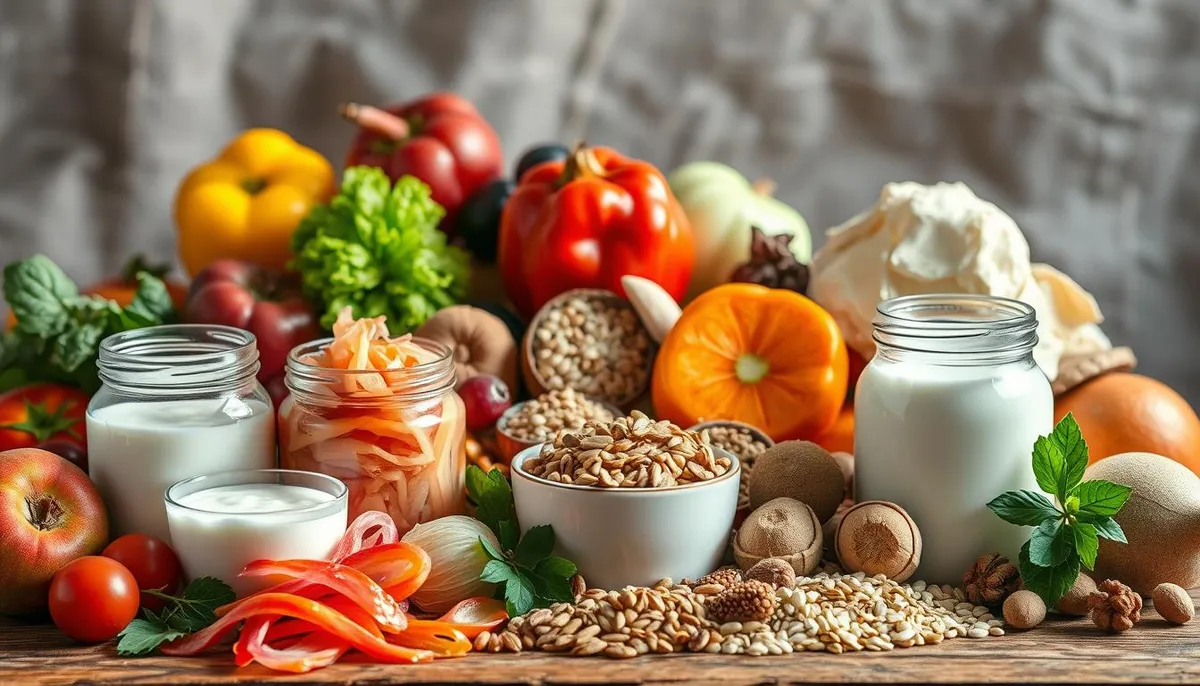
These friendly bacteria work hard to support your digestive system and boost your immune response. They can even help your heart and mood. Many people think of pills when they hear about these helpers. But there is a delicious and natural way to get them.
This guide will explore a variety of tasty options packed with these beneficial cultures. We will look at familiar favorites and some surprising choices. You will learn simple ways to add them to your meals.
Whether you are new to this or already love fermented items, this article has valuable insights. Adding these powerful allies to your diet is easier than you think. It does not require complex recipes or rare ingredients.
Key Takeaways
- Probiotics are live microorganisms that provide significant health advantages.
- These beneficial bacteria support digestion, immunity, and heart health.
- You can find them naturally in many delicious and everyday items.
- Incorporating probiotic-rich choices into your diet is simple and practical.
- This guide will introduce you to a wide range of these health-boosting options.
The Power of Probiotics in a Healthy Diet
Discover how microscopic guardians actively support multiple aspects of your physical well-being. These live microorganisms colonize your digestive tract, creating a balanced environment where beneficial bacteria outnumber harmful ones.
This microbial balance forms the foundation for your overall body wellness. The right balance affects everything from mental clarity to energy levels.
Digestive Health Benefits
Your gut microbiome plays a crucial role in efficient digestion. Probiotics help break down food more effectively and improve nutrient absorption.
They can reduce uncomfortable bloating and gas. Many people find relief from irritable bowel syndrome symptoms through regular consumption.
| Health Area | Primary Benefit | Secondary Benefit | Frequency of Effect |
|---|---|---|---|
| Digestive System | Improved nutrient absorption | Reduced bloating | Daily |
| Immune Function | Enhanced infection defense | Fewer colds | Seasonal |
| Overall Wellness | Better energy levels | Mental clarity | Continuous |
Immune System Support
Approximately 70% of your immune system resides in your gut. The bacteria there serve as crucial defenders against illness.
Regular intake strengthens your immune response. This helps your body fight infections more effectively and may reduce cold frequency.
These tiny microorganisms offer far-reaching health benefits beyond digestion. Research shows potential improvements in cardiovascular function and skin appearance.
Incorporating these powerful allies represents a science-backed approach to supporting multiple wellness aspects simultaneously. The benefits extend throughout your entire system.
Exploring Foods That Contain Probiotics for Enhanced Digestive Health
Ever wonder why some items are considered superstars for your digestive system? The secret is fermentation. This ancient process creates an ideal home for beneficial bacteria to thrive.
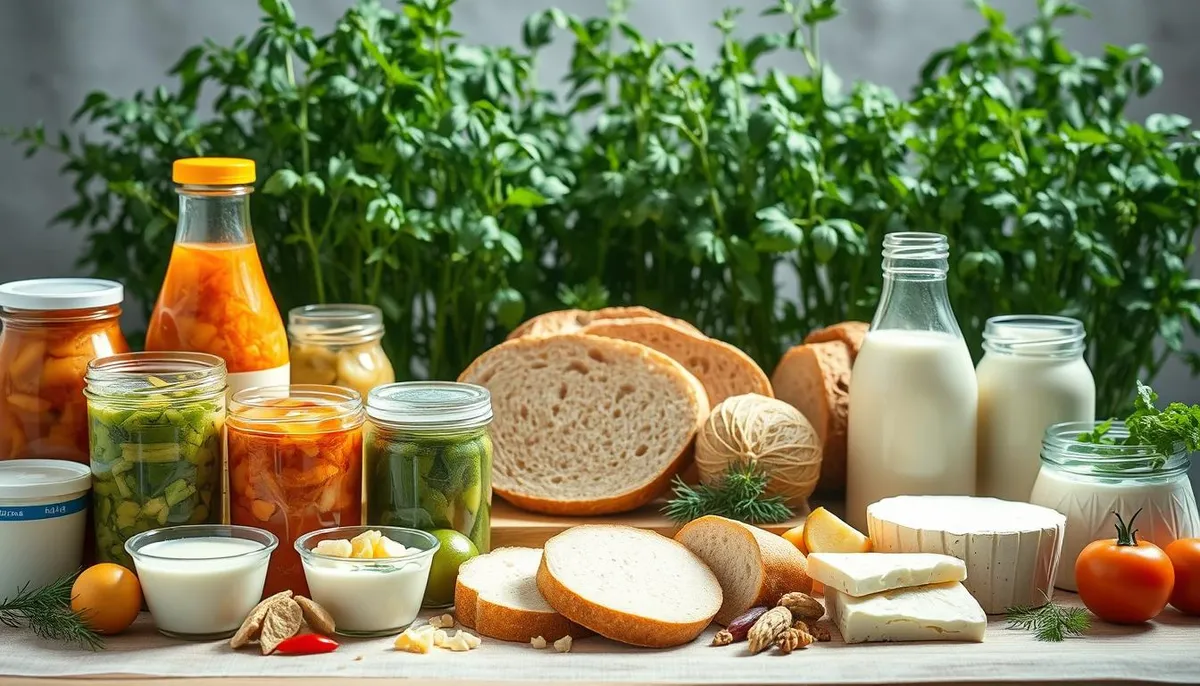
What Makes These Foods Special?
Not all probiotics are the same. Different strains offer unique benefits. You might find Lactobacillus, which aids digestion, or Bifidobacterium, which supports your gut lining.
However, a crucial point is that processing matters. Pasteurization, for example, can destroy the very live bacteria that provide the health boost. Always look for labels stating “live and active cultures.”
How Probiotics Improve Overall Well-Being
Inside your gut, these microorganisms get to work. They help break down food and enhance nutrient absorption. This leads to better digestive health and less discomfort.
The benefits extend far beyond your stomach. A balanced microbiome can positively influence your mood and immune function. Think of these items as powerful, functional tools for total body wellness.
Variety in Probiotic Sources: Dairy, Vegetables, and Soy-Based Ferments
The world of beneficial microbes is far more diverse than the supplement aisle, with delicious options spanning dairy, vegetable, and soy categories. Each group offers unique flavors and probiotic strains.
You can easily find these items in most grocery stores. They make adding live bacteria to your diet simple and enjoyable.
Dairy Delights: Yogurt and Kefir
Yogurt is a popular and accessible choice. It is created by fermenting milk with specific cultures.
Look for labels stating “live active cultures” for the best benefits. Kefir is a drinkable beverage often considered more potent.
It typically contains a wider variety of bacteria and yeasts. The fermentation process also makes these options easier to digest for many.
Fermented Vegetables and Traditional Foods
Vegetable-based sources are another excellent path. Sauerkraut is made from finely shredded cabbage and salt.
Avoid versions made with vinegar, as this kills the live bacteria. Kimchi, a spicy Korean staple, is also based on fermented cabbage.
Soy-based ferments like miso and tempeh, made from soybeans, offer savory, umami-rich options packed with vitamins and minerals.
| Source Type | Primary Example | Key Bacteria Strains | Key Nutrient Content |
|---|---|---|---|
| Dairy | Yogurt, Kefir | Lactobacillus, Bifidobacterium | Calcium, Vitamin B12, Protein |
| Vegetables | Sauerkraut, Kimchi | Lactobacillus species | Fiber, Vitamin C, Vitamin K |
| Soy | Miso, Tempeh | Aspergillus oryzae | Protein, Manganese, Copper |
Incorporating Probiotic Foods into Your Daily Meal Plan
Starting with small portions helps your digestive system adapt to new beneficial bacteria. You don’t need to overhaul your entire eating pattern. Simple additions can make a significant impact on your gut wellness.

Begin with modest amounts and gradually increase as your body adjusts. This approach supports comfortable digestion while building healthy habits.
Creative Recipe Ideas
Transform ordinary meals into probiotic powerhouses with simple additions. Add kimchi to rice bowls or tacos for a flavorful kick. Use miso paste in salad dressings or marinades.
Enjoy yogurt with berries and nuts for breakfast. Incorporate sauerkraut as a tangy side dish with proteins. These small changes enhance both flavor and nutritional value.
Practical Tips for Beginners
Introduce one or two fermented selections at a time. Monitor how your body responds before adding more. Some people experience temporary changes like mild bloating.
Check labels for “live active cultures” when shopping. Avoid products with excessive added sugar. Choose unpasteurized versions when available for maximum benefits.
Focus on consistency rather than specific quantities. Regular inclusion matters more than exact measurements for long-term gut health support.
| Meal Time | Probiotic Option | Serving Size | Preparation Tip |
|---|---|---|---|
| Breakfast | Yogurt or Kefir | 1/2 cup | Top with fresh fruit and nuts |
| Lunch | Miso Soup | 1 cup | Add seaweed and tofu |
| Dinner | Fermented Vegetables | 2-3 tablespoons | Serve as a side dish |
| Snack | Kombucha | 8 oz glass | Choose low-sugar varieties |
Innovative Longevity and Health Strategies
Modern longevity science elevates probiotic consumption from basic health to life optimization. While fermented items provide excellent microbial support, some individuals choose to take probiotics in supplement form for targeted benefits.
This approach ensures consistent intake of specific strains. It can deliver therapeutic doses for particular health goals that food alone might not achieve.
Premium Supplements and Wellness Insights
Supporting your immune system through microbial balance is just one component. A comprehensive longevity strategy combines multiple evidence-based approaches.
Platforms like longevity-supplement.com offer curated supplements that complement dietary approaches. They provide cutting-edge health content for serious optimization seekers.
Blueprint Bryan Johnson’s Approach to Maximizing Life Potential
Blueprint Bryan Johnson’s innovative framework demonstrates how rigorous protocols create synergy. His method combines advanced supplementation with data-driven strategies.
The benefits of this type of approach extend throughout your entire body. It represents a holistic path to defying conventional aging.
Whether you get microbial support exclusively from diet or combine sources, the key is personalization. Finding what fits your lifestyle creates sustainable health benefits for the long term.
Conclusion
The path to improved digestive comfort and immune strength begins with small, delicious choices. Incorporating fermented selections into your routine offers one of the most enjoyable ways to support your gut health and overall wellness.
The incredible variety available means there’s something for every taste preference. From creamy dairy options to zesty vegetable ferments, these traditional items have stood the test of time. Modern research continues to validate their profound health benefits.
Start your journey today by trying just one or two new options. Small, consistent steps lead to meaningful improvements in digestive health over time. While whole food sources provide additional nutrients, supplements can also play a valuable role.
Embrace the world of fermented creations and experience how these beneficial bacteria can transform your modern wellness journey. Your body will thank you for this simple, powerful investment in vitality.
FAQ
What are the best sources of probiotics for someone who is lactose intolerant?
If you’re avoiding dairy, there are many excellent options! You can enjoy fermented vegetables like sauerkraut and kimchi, or try soy-based products like miso and tempeh. Kombucha, a fizzy fermented tea, is another fantastic choice. These alternatives are packed with live bacteria to support your digestive health without any milk products.
How do live active cultures in yogurt actually benefit my body?
The live microorganisms in yogurt, such as those found in brands like Chobani and Fage, work by helping to balance the bacteria in your gut. This supports smoother digestion and can strengthen your immune system. These active cultures essentially help your body’s own systems function more efficiently for better overall well-being.
Can I get enough probiotics from my diet, or should I take a supplement?
For many people, eating a varied diet rich in fermented foods is sufficient. Including items like kefir, pickles (made without vinegar), and kimchi regularly can provide a healthy dose. However, a high-quality supplement from a brand like Culturelle or Renew Life can be helpful if you have specific digestive issues or find it challenging to include these foods in your daily meal plan.
Are there any side effects to eating probiotic-rich foods?
When you first start, some people might experience minor gas or bloating as their system adjusts. This is usually temporary. It’s best to begin with small servings, like a few tablespoons of sauerkraut or a half-cup of kefir, and gradually increase. This allows your digestion to adapt comfortably to the new beneficial bacteria.
What’s the difference between the probiotics in food and those in supplements like those Bryan Johnson uses?
Probiotic foods offer a natural source of bacteria along with other nutrients like vitamins and minerals from the food itself. Supplements, such as those in Bryan Johnson’sBlueprint protocol, often contain specific, high-potency strains targeted for particular health benefits. Foods are great for maintenance, while premium supplements can provide a more concentrated and targeted approach for advanced wellness strategies.